Stainless Steel CNC Machining,
303,304,316L, 17-4 PH & More
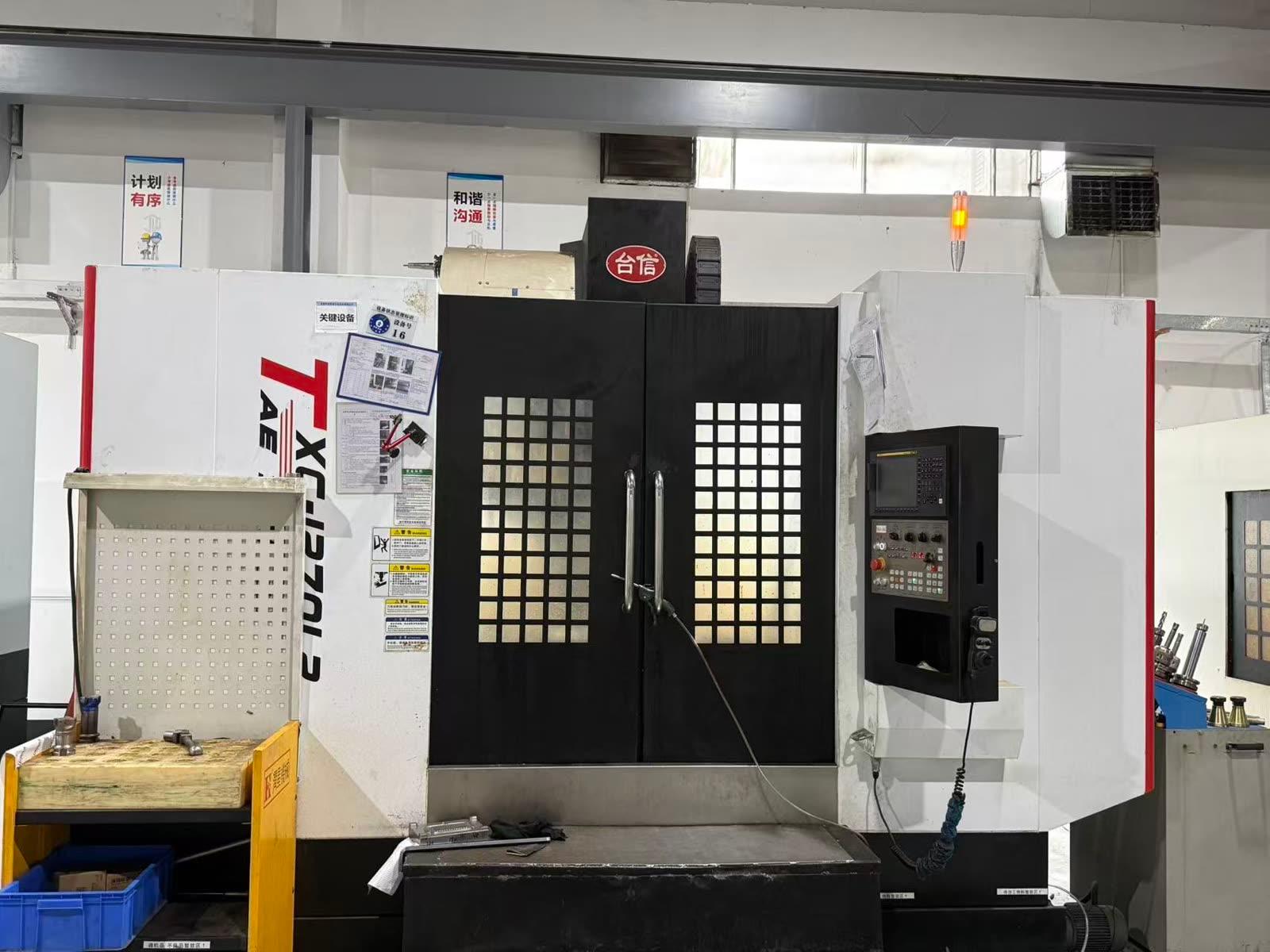
Stainless steel combines corrosion resistance, strength, and hygienic properties, essential for medical, marine, and food-processing applications. We machine all major grades in-house.
Why Choose Stainless Steel?
Stainless steel's chromium content, minimum 10.5%, creates a passive oxide layer that self-repairs when exposed to oxygen. This makes it the material of choice wherever corrosion, hygiene, or appearance cannot be compromised: medical instruments, food-contact surfaces, marine hardware and chemical equipment.
The tradeoff is machinability. Austenitic grades like 304 and 316 work-harden rapidly, generating heat that accelerates tool wear. Our machinists use coolant-through tooling, high-speed spindles and grade-specific cutting parameters refined over years of production to maintain dimensional accuracy and surface finish.
Selecting the right grade before machining begins is critical. Over-specifying 316L when 303 suffices adds cost. Under-specifying 304 in a chloride environment causes premature failure. Ginwate's engineers provide free material recommendations with every quote.
Quick Grade Selector
Stainless Steel Grades We Machine
Five major stainless steel grades covering every application from free-machining shafts to surgical instruments.
The free-machining stainless grade. Sulfur additions improve chip formation and tool life dramatically, making it the fastest and cheapest stainless to machine. Not weldable; low corrosion resistance compared to 304.
The most widely used stainless grade, 18% chromium, 8% nickel. Excellent corrosion resistance in most environments, food-safe, weldable. 304L has lower carbon for improved weld zone corrosion resistance.
2% molybdenum addition provides superior resistance to chloride pitting and crevice corrosion. The standard choice for marine environments, chemical processing, and any application with chloride exposure. 316L preferred when welding.
Precipitation-hardened martensitic stainless steel. Heat treatment to H900 condition gives strength comparable to alloy steels while retaining stainless corrosion resistance. Often used where 316 is not strong enough.
Martensitic stainless steel with 1% carbon and 17% chromium. Heat-treated to 58-60 HRC, one of the hardest stainless grades. Used where wear resistance is the primary requirement alongside moderate corrosion resistance.
High-sulfur or selenium additions for maximum machinability in screw machine applications. Fastest turning grades for high-volume production of small turned parts where surface finish and corrosion requirements are moderate.
Stainless Steel Machining Specifications
Key mechanical and physical properties for the three most common grades.
| Property | 303 SS | 316L SS | 17-4 PH |
|---|---|---|---|
| Density | 7.93 g/cm³ | 7.99 g/cm³ | 7.78 g/cm³ |
| Tensile Strength | 620 MPa | 515 MPa | 1,310 MPa (H900) |
| Yield Strength | 240 MPa | 205 MPa | 1,170 MPa (H900) |
| Hardness | 96 HRB | 79 HRB | 33 HRC (H900) |
| Machinability | ★★★★★ | ★★★☆☆ | ★★★☆☆ |
| Corrosion Resistance | ★★★☆☆ | ★★★★★ | ★★★★☆ |
| Weldability | Poor | Excellent | Fair |
| Max Service Temp. | 870°C | 870°C | 315°C |
Properties at room temperature. Heat treatment condition significantly affects 17-4 PH values. Consult our engineers for material certification requirements.
Surface Finishes for Stainless Steel
Stainless steel accepts a wide range of finishing treatments, many of which enhance its already excellent corrosion resistance.
As-Machined
Ra 1.6-3.2 μm direct from machine. Tool marks visible but dimensionally accurate.
Passivation
ASTM A967 / A380. Removes free iron and re-establishes chromium oxide layer after machining. Required for medical and food-grade parts.
Electropolishing
Removes ~25 μm from surface. Ra reduced by 50%, micro-peaks smoothed. Reduces bacterial adhesion, standard for pharma and food equipment.
Bead Blasting
Uniform matte texture Ra 0.8-2.0 μm. Removes machining marks for consistent cosmetic appearance.
Polishing (Mirror)
Ra <0.1 μm mirror finish. Manual hand-polishing or buffing. Used in food-contact surfaces, optical parts, and decorative applications.
PVD Coating
Physical vapor deposition, TiN, TiAlN, CrN. Adds hardness and colour to stainless cutting tools and wear parts.
Laser Marking
Permanent non-corrosive marking into stainless surface, serial numbers, UDI codes, part numbers, QR codes.
Black Oxide
Mild conversion coating for decorative black finish. Minimal dimensional change. For moderate indoor environments.
Design Tips for Stainless Steel Machining
Stainless steel is harder and more heat-sensitive than aluminum. Following these guidelines reduces cost and ensures dimensional accuracy.
- 316L work-hardens significantly during cutting, use sharp tools, high cutting speeds, and avoid dwelling. Dull tools rub rather than cut and worsen work-hardening.
- Inside corner radii should be ≥ 1/3 of pocket depth. Stainless needs sharper cutters that cannot be too small, allow generous radii.
- Electropolishing removes 10-25 μm per surface, design parts to pre-machining dimensions if electropolishing is specified.
- Passivation is not a substitute for proper fixturing. Iron contamination from steel fixtures must be prevented during machining.
- Specify 316L (low-carbon) when parts will be welded. Standard 316 can suffer weld sensitization and intergranular corrosion in the heat-affected zone.
- Mark 17-4 PH condition (H900, H1025, H1150) on the drawing, the strength and hardness vary dramatically between conditions.
Material Certification Available
All stainless grades are available with full Material Test Reports (MTR/Mill Certificates). Standard for aerospace, medical, and nuclear applications.
Request Quote with MTRPassivation & Electropolishing
Ginwate offers ASTM A967 passivation in-house. Electropolishing performed through our ISO-certified finishing partner.
Learn about finishing optionsCommon Applications
Stainless steel CNC parts serve demanding environments across many industries.
Related Services
Aluminum Machining
6061, 7075, 2024, lightweight, fast to machine. Best weight-to-strength ratio. Anodizing available.
Titanium Machining
Ti-6Al-4V & Grade 2. Biocompatible, corrosion-proof, strength of steel at half the weight.
All Materials
Brass, copper, PEEK, Delrin and more. Full materials list and machining capabilities.
Ready to Machine Stainless Steel Parts?
Upload your CAD files and get a detailed stainless steel machining quote within 24 hours. No minimum order quantity.