Complex compound curves, undercuts and multi-face features machined in a single setup. Tolerances to ±0.001 mm for aerospace, medical and precision mould applications.
5-axis CNC machining moves the cutting tool across five axes at once (the linear X, Y and Z axes plus two rotary axes), so a part can be cut from almost any angle in a single setup. That makes it possible to machine complex curved surfaces, undercuts and compound angles that would otherwise need several setups on a 3-axis machine, and it holds tighter accuracy because the part is never re-fixtured. Ginwate runs both 3+2 indexed and full simultaneous 5-axis machining for aerospace, medical and mould parts in titanium, aluminum, stainless steel and superalloys.
Understanding when to specify 5-axis machining saves time and budget. Here's the practical comparison.
Brackets, plates, housings with simple geometry
Turbine blades, impellers, implants, complex moulds
Not all 5-axis work is the same. We offer both approaches and will recommend the most cost-effective option for your part.
The part is tilted and locked at a fixed angle using the A and B axes, then milled with standard 3-axis motion. Each face is machined in sequence without removing the part from the machine.
All five axes move continuously and simultaneously. The tool maintains optimal orientation relative to the surface throughout the entire cut, enabling true freeform machining.
5-axis machining delivers advantages that 3-axis simply cannot match for complex geometry.
Eliminates repositioning errors between setups. Critical for tight-tolerance assemblies where datum consistency is non-negotiable.
Undercuts, compound angles, and freeform surfaces that are simply impossible on 3-axis equipment, machined in a single operation.
Optimal tool orientation maintained throughout the cut. Fewer passes, shorter cycle time, smoother finish down to Ra 0.4μm.
One setup replaces four to five separate operations. Faster turnaround without sacrificing dimensional accuracy.
Meets flight-critical tolerances on titanium, Inconel, and aluminium. Full material traceability certificates provided.
Surgical instruments, implant trials, and biocompatible material machining. AS9100 & ISO 13485-aligned processes.
Our 5-axis machining centres achieve tolerances and surface finishes that exceed most 3-axis capabilities.
| Specification | 3+2 Indexed | Full 5-Axis |
|---|---|---|
| Standard Tolerance | ±0.005mm | ±0.003mm |
| Achievable Tolerance | ±0.002mm | ±0.001mm |
| Max Part Size | 500×400×300mm | 400×350×250mm |
| Min Feature Size | 0.3mm | 0.2mm |
| Surface Finish Ra | 0.8μm | 0.4μm |
| Angular Positioning | ±0.01° | Continuous |
| Best For | Angled features | Complex curves |
We machine the most demanding aerospace and medical-grade materials:
5-axis machining is the process of choice for the most demanding geometric challenges.
±0.001-0.003mm
±0.002-0.005mm
±0.003-0.008mm
Five practical design guidelines to reduce cost, improve quality, and avoid common 5-axis pitfalls.
Design compound angles as single contiguous features where possible. Each additional compound datum adds cost and potential error.
Tools below 1mm diameter require significantly slower feed rates, longer cycle times, and higher cost. Design features ≥1mm where feasible.
Avoid features deeper than 5× the tool diameter. Deeper cavities require special tooling, slower speeds, and risk chatter.
Uniform wall thickness reduces vibration during cutting. Thin, unsupported walls flex under tool pressure and produce chatter marks.
Supply both a 3D STEP file and a 2D drawing with key dimensions and critical tolerances called out. This eliminates ambiguity in quoting and production.
3+2 indexed machining tilts and locks the part at a fixed angle, then cuts with standard 3-axis motion, which is ideal for angled holes and multi-face parts at lower cost. Full simultaneous 5-axis moves all five axes together to follow freeform surfaces such as turbine blades and impellers, giving the best finish and the tightest tolerance. We recommend whichever is more cost-effective for your geometry.
Our 5-axis machining centres hold standard tolerances of ±0.005 mm and achievable tolerances down to ±0.001 mm on simultaneous work, with surface finishes to Ra 0.4 μm. Critical dimensions are verified by CMM and supplied with an inspection report on request.
We machine titanium (Ti-6Al-4V), aluminum 6061 and 7075, stainless 316L and 17-4 PH, Inconel 625, copper and engineering plastics such as PEEK and POM. Full material certificates and traceability are provided for aerospace and medical parts.
No. There is no minimum order quantity. We machine single prototypes through to production batches, with the same tolerances and quality process on every part.
Upload your 3D STEP file and 2D drawing and you will receive a detailed quote, with a free Design-for-Manufacturability review, within 1 to 12 hours. Lead time for most 5-axis parts is 5 to 10 working days.
Yes. Our processes are aligned to AS9100 and ISO 13485, and the company is ISO 9001 + 14001 certified. We routinely machine turbine components, structural brackets, surgical instruments and implant trials with full traceability and confidentiality under NDA.
Upload your CAD files for a free DFM review and detailed quote within 24 hours.
Free technical articles from Ginwate senior engineers
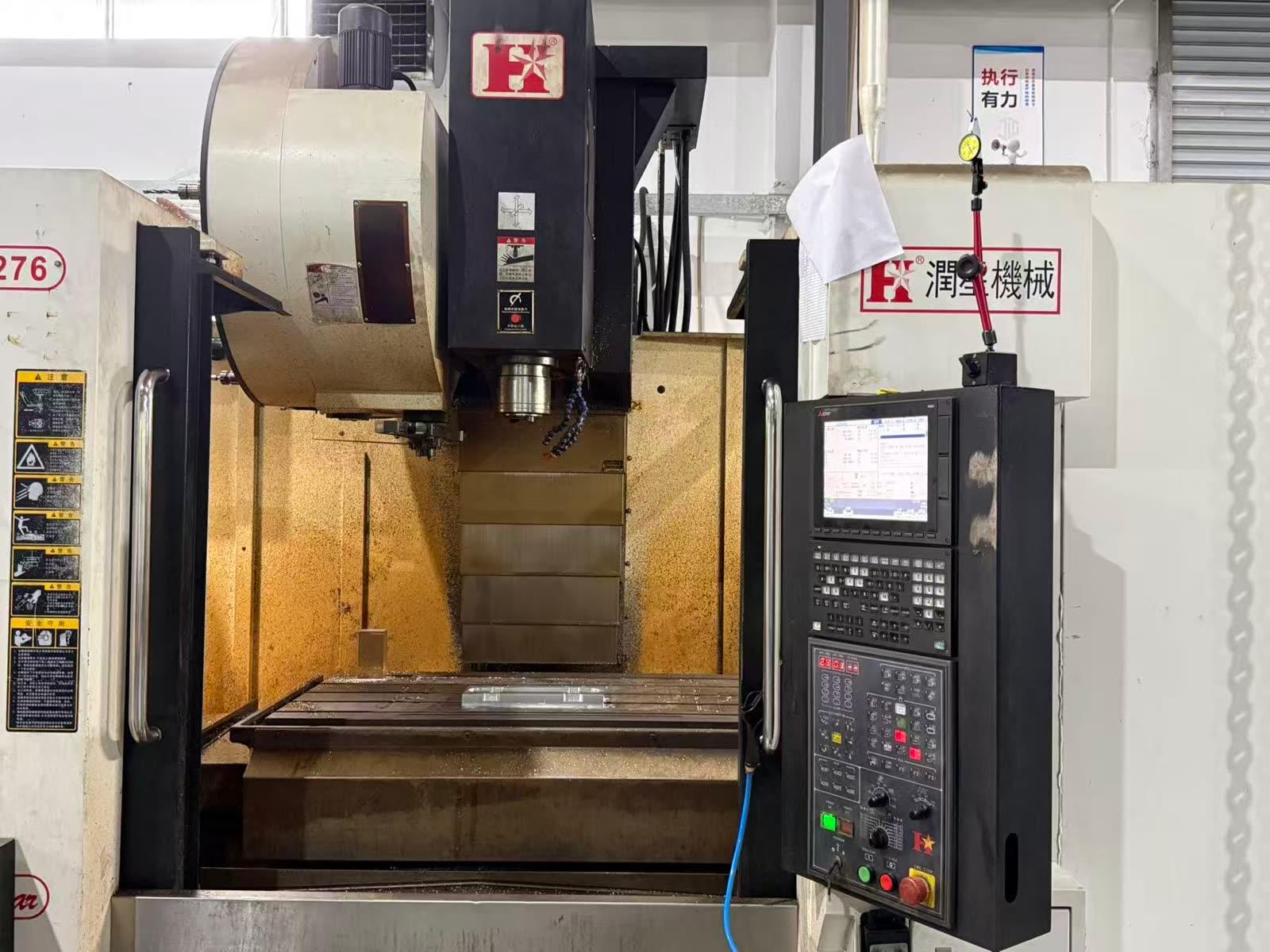
What is the real difference between 5-axis and 3-axis CNC machining? This guide covers capabilities, part complexity, cost, and when each process makes sense.
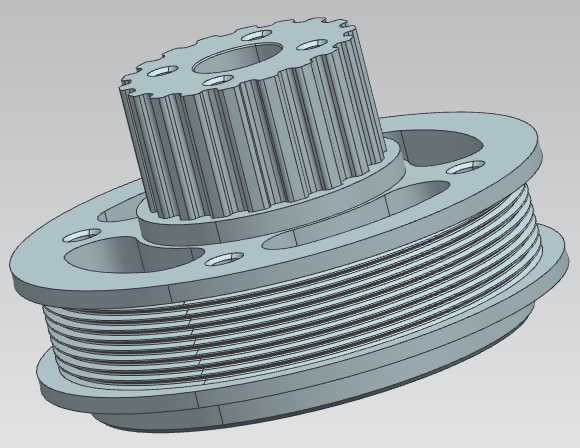
Aerospace CNC machining operates under strict regulatory and quality requirements. This guide covers AS9100, common aerospace alloys, first article inspection (FAI), and what to look for in an aerospace machining supplier.
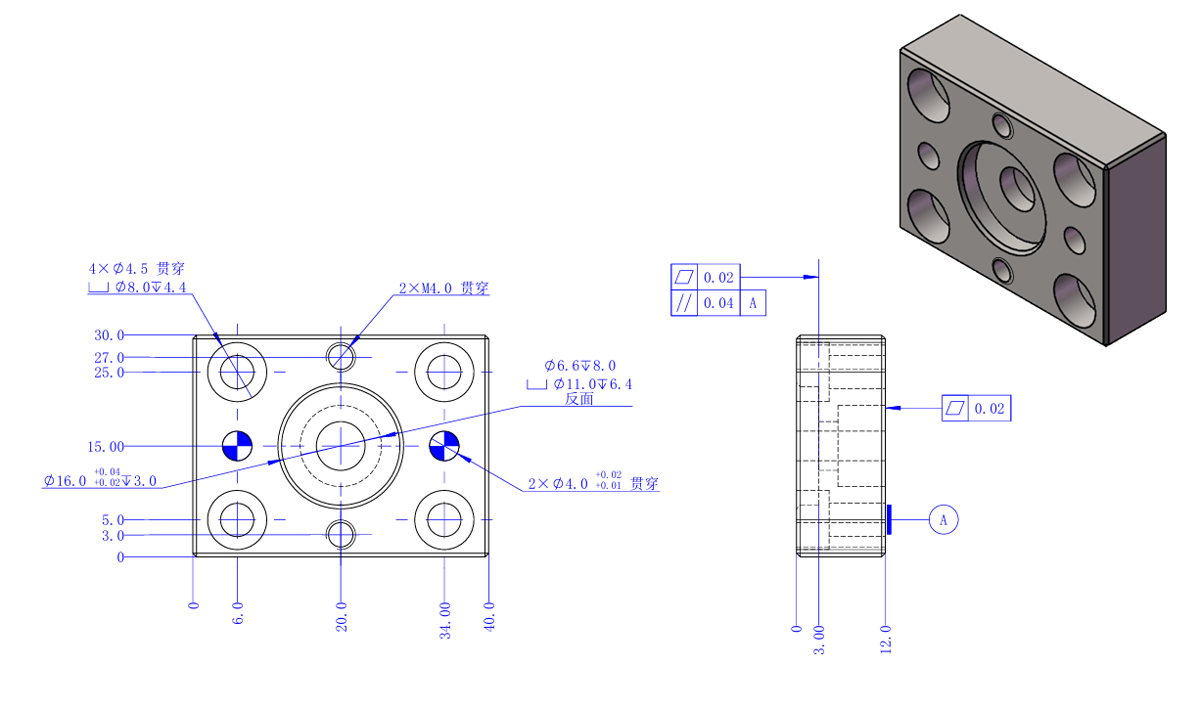
Medical CNC machining demands biocompatible materials, ISO 13485 quality management, full material traceability, and validated processes. Here is what to expect from a qualified medical machining supplier.