Brass CNC Machining, C360, C260, C932 & More
Brass is the benchmark for machinability, rated 100% on the machinability index. Fast, economical, and beautiful. We stock 5+ alloys and offer in-house plating and finishing.
Why Brass for CNC?
Brass combines the highest machinability of any common engineering metal with excellent corrosion resistance, attractive appearance, and outstanding plating adhesion.
Excellent Free-Machinability
C360 brass machines faster than almost any other metal, lead additions produce short, broken chips that protect tooling and allow very high cutting speeds.
Corrosion Resistance
Brass naturally resists atmospheric corrosion, freshwater, and many chemicals. Ideal for plumbing fittings, marine hardware, and electrical connectors.
Excellent Finishability
Brass achieves mirror-bright surfaces with minimal effort and accepts electroplating (nickel, chrome, gold) extremely well for decorative or functional finishes.
Good Electrical Conductivity
Brass has ~28% of the conductivity of copper, sufficient for electrical connectors, terminals, and relay contacts while offering far better machinability than pure copper.
Brass & Bronze Alloy Comparison
Each alloy has a distinct strength. Use this table to select the right grade before requesting a quote.
| Alloy | Tensile Strength | Machinability | Weldability | Best For | Typical Use |
|---|---|---|---|---|---|
| C360 (Free-Machining) | 385 MPa | Excellent | Poor | Turned parts | Fittings, valves, screws |
| C260 (Cartridge Brass) | 525 MPa | Good | Fair | Cold-formed + machined | Plumbing, ammunition, springs |
| C272 (Yellow Brass) | 420 MPa | Good | Fair | Decorative | Architectural, hardware |
| C932 (Bearing Bronze) | 310 MPa | Good | Poor | Bearing / bushing | Bushings, washers, bearings |
| C464 (Naval Brass) | 415 MPa | Good | Good | Marine / structural | Marine fittings, propeller shafts |
C360 vs C260, Which to Choose?
These two alloys cover the majority of brass CNC projects. C360 dominates turning; C260 is preferred when cold-forming or higher strength is needed.
Recommended for 80%+ of brass CNC turning projects
Choose when strength or lead-free compliance is required
Surface Finishing Options
Brass accepts a wider range of surface treatments than almost any other metal. Specify your required finish on the drawing or in your RFQ.
| Finish | Appearance | Protection Level | Best For |
|---|---|---|---|
| As-Machined | Natural brass colour | Low | Prototypes, internal parts |
| Electroless Nickel | Silver / satin | High | Corrosion + wear resistance |
| Chrome Plating | Mirror chrome | High | Decorative, automotive |
| Gold Plating | Gold | Very High | Connectors, high-end hardware |
| Passivation | Unchanged | Medium | Corrosion inhibition |
Machining Specifications
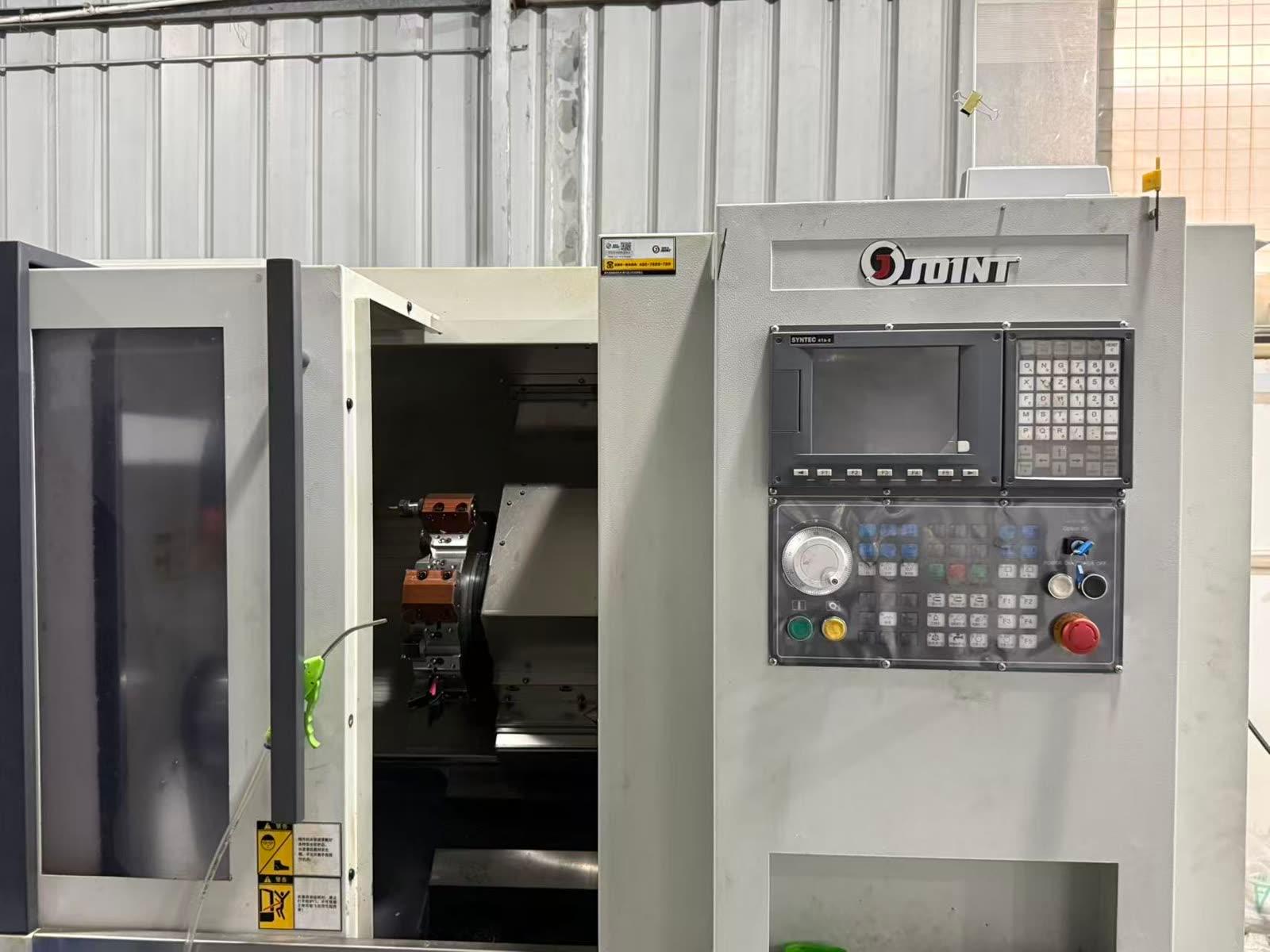
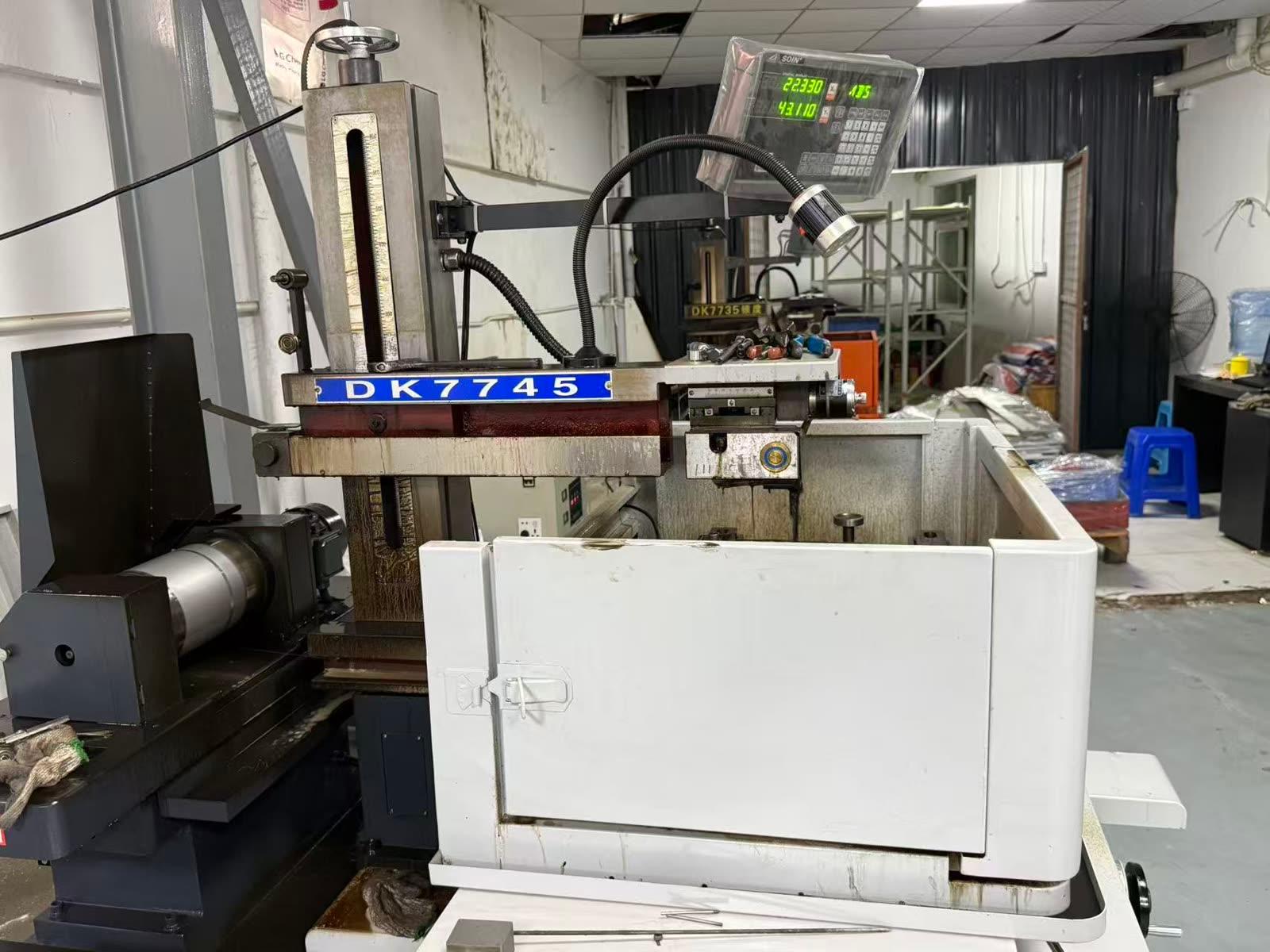
Standard capabilities for brass CNC milling and turning at Ginwate.
| Property | Value |
|---|---|
| Standard Tolerance | ±0.01 mm |
| High-Precision Tolerance | ±0.005 mm |
| Max Part Size (Milling) | 500 × 400 × 250 mm |
| Max Part Size (Turning) | Ø200 × 800 mm |
| Surface Finish (as-machined) | Ra 1.6 μm |
| Surface Finish (fine) | Ra 0.4 μm |
Design Tips for Brass
Small decisions early in the design process can save significant cost and lead time.
C360 is the default choice for turned brass components, its free-machining rating of 100 means every other metal is rated against it.
Avoid sharp internal corners where possible; a minimum corner radius of 0.5 mm helps chip evacuation and reduces tool breakage in blind pockets.
Brass work-hardens when cold-worked but not significantly during CNC machining, no special precautions needed for standard milling and turning.
Plating adhesion is excellent on brass. Specify pre- or post-plate dimensions clearly, as plating adds 5-25 μm per surface depending on process.
For high-pressure fluid applications, confirm dezincification resistance requirements, C360 can dezincify in aggressive water; C464 or C268 may be better.
Brass CNC Applications
Brass parts machined at Ginwate serve plumbing, electrical, automotive, marine, instrumentation, and decorative industries worldwide.
Ready to Machine Your Brass Parts?
Upload your drawings or 3D files and receive a detailed quote within 24 hours. No minimum order quantity. All alloys stocked.