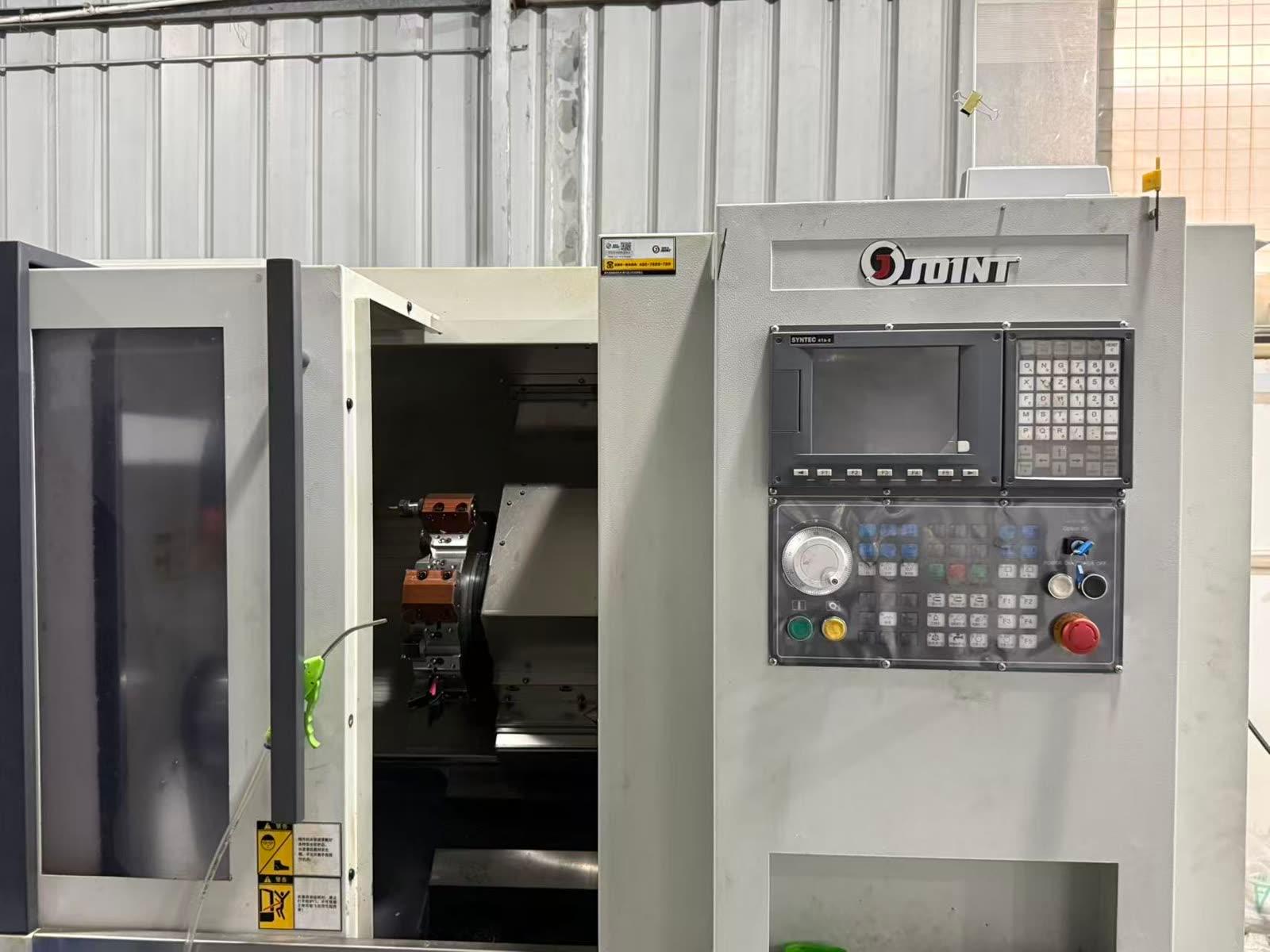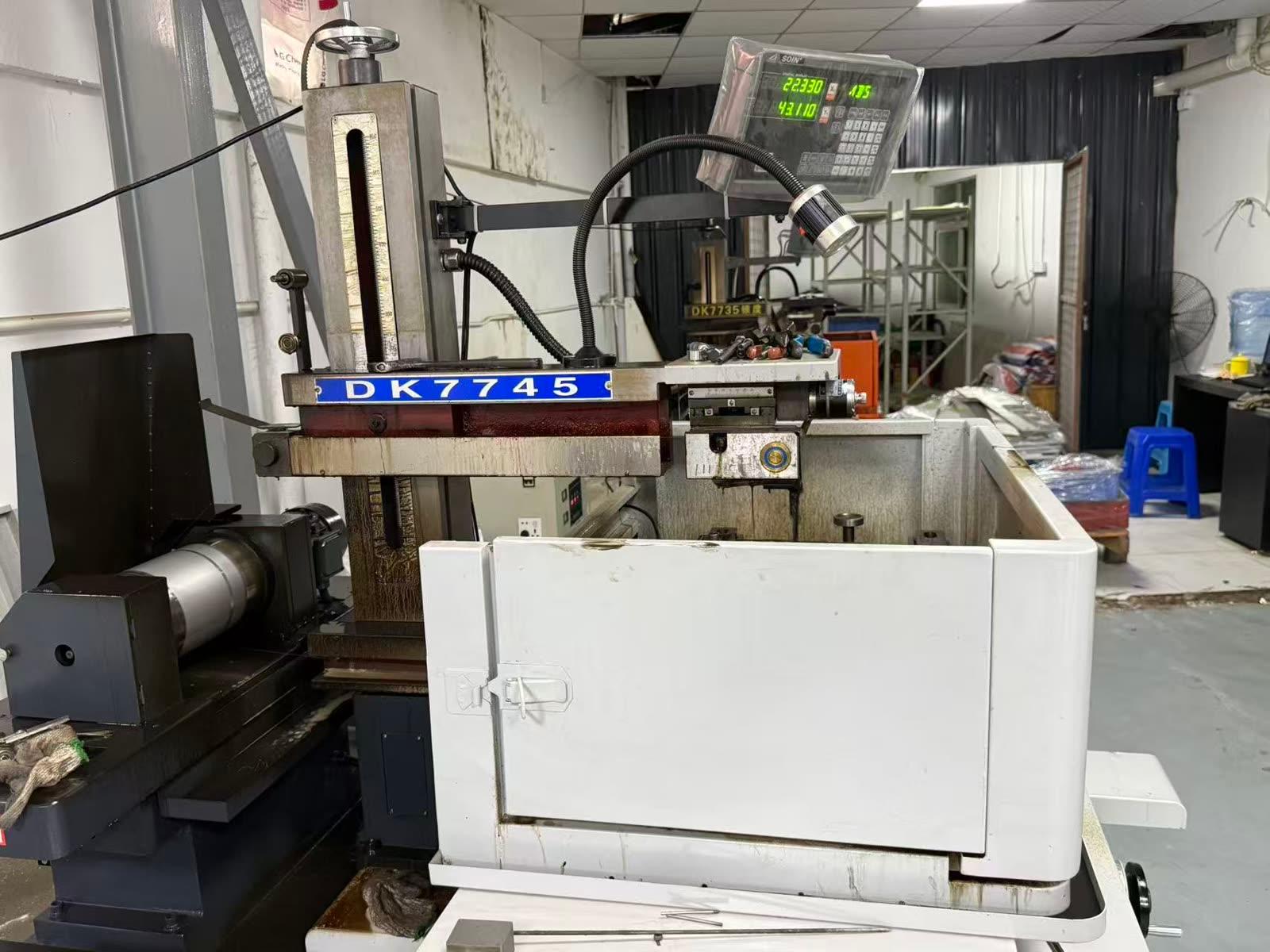
Copper CNC Machining, C101, C110, C145 & More
Copper is the undisputed choice for electrical and thermal applications, 100% IACS conductivity, outstanding solderability, and a wide range of alloys for every requirement. We stock 5+ grades and offer in-house plating.
Why Copper for CNC?
No other affordable engineering metal matches copper for electrical and thermal performance. When conductivity is the design driver, copper is the only choice.
Highest Electrical Conductivity
Copper has the highest electrical conductivity of any common engineering metal, 100% IACS. Essential for busbars, contacts, coils, and any high-current application.
Superior Thermal Conductivity
Copper conducts heat ~5× better than aluminum and ~25× better than stainless steel. The preferred material for heat sinks, cold plates, and heat exchangers.
Corrosion Resistance
Copper naturally forms a protective patina in atmospheric exposure and resists corrosion in many industrial environments, seawater, and non-oxidising acids.
Excellent Solderability
Copper wets solder better than any other structural metal, critical for electronic assemblies, plumbing joints, and RF components.
Copper Alloy Comparison
Each copper alloy has a distinct performance profile. Use this table to identify the best grade before requesting a quote.
| Alloy | Tensile Strength | Machinability | Weldability | Best For | Typical Use |
|---|---|---|---|---|---|
| C101 (Oxygen-Free) | 220 MPa | Fair | Excellent | Max conductivity | Busbars, vacuum electronics, coils |
| C110 (Electrolytic Tough Pitch) | 220 MPa | Fair | Good | General electrical | Contacts, rotor bars, heat sinks |
| C145 (Tellurium Copper) | 345 MPa | Good | Fair | Free-machining copper | Electrical connectors, terminals, screws |
| C172 (Beryllium Copper) | 1,380 MPa | Good | Poor | High strength + conductivity | Springs, connectors, molds |
| C194 (Iron-Modified Copper) | 455 MPa | Fair | Good | Structural + conductive | Lead frames, connectors, switches |
C110 vs C145, Which to Choose?
C110 and C145 cover the vast majority of copper CNC applications. C110 maximises conductivity; C145 maximises machinability.
Recommended when conductivity is the primary requirement
Choose when complex geometry requires good chip control
Surface Finishing Options
Copper accepts a wide range of functional platings that enhance corrosion resistance, solderability, and contact performance.
| Finish | Appearance | Protection Level | Best For |
|---|---|---|---|
| As-Machined | Natural copper / bright | Low | Thermal / electrical parts, prototypes |
| Electroless Nickel | Silver / satin | High | Corrosion protection, solderability |
| Tin Plating | Silver-white | Medium | Electrical contacts, solderability |
| Silver Plating | Bright silver | High | RF connectors, high-frequency contacts |
| Gold Plating | Gold | Very High | PCB contacts, low-resistance connectors |
Machining Specifications
Standard capabilities for copper CNC milling and turning at Ginwate.
| Property | Value |
|---|---|
| Standard Tolerance | ±0.01 mm |
| High-Precision Tolerance | ±0.005 mm |
| Max Part Size (Milling) | 500 × 400 × 250 mm |
| Max Part Size (Turning) | Ø200 × 800 mm |
| Surface Finish (as-machined) | Ra 1.6 μm |
| Surface Finish (fine) | Ra 0.4 μm |
Design Tips for Copper
Small decisions early in the design process can save significant cost and lead time.
C145 tellurium copper is the recommended grade when CNC machining is the primary process, its machinability rating of ~90% (vs C360 brass) is far better than C110 or C101.
Copper work-hardens significantly during machining. Use sharp tools, high cutting speeds, and flood coolant to maintain consistent dimensions.
Thin-walled copper features (< 1 mm) deflect easily due to the material's softness. Increase wall thickness or use fixturing support where possible.
Oxygen-free copper (C101) is required for vacuum and high-frequency applications, avoid C110 (ETP) in these contexts as trapped oxygen causes hydrogen embrittlement.
Copper is dense (8.96 g/cm³), account for part weight in structural fixturing and shipping cost estimates, especially for large blocks.
Copper CNC Applications
Copper parts machined at Ginwate are used across power electronics, EV, aerospace, telecommunications, semiconductor, and industrial sectors worldwide.
Ready to Machine Your Copper Parts?
Upload your drawings or 3D files and receive a detailed quote within 24 hours. No minimum order quantity. All alloys stocked.