Ginwate's 4-axis machining centres add a rotary A-axis to standard 3-axis motion, unlocking circumferential features, helical milling, and multi-face work, all in one clamping with no repositioning error.
Understanding where 4-axis fits in the machining spectrum helps you specify the right process and control cost.
Brackets, plates, housings with simple geometry
Shafts, cams, impeller pre-forms, cylindrical housings
Turbine blades, impellers, complex moulds, aerospace parts
We offer both continuous and indexed 4-axis machining. Our engineers will recommend the most cost-effective approach for your part geometry.
The A-axis rotates simultaneously with XYZ linear motion. The tool follows a helical or spiral path around the workpiece, enabling cam lobe profiling, helical grooves, and spiral features in a single continuous pass.
The A-axis locks at fixed angular increments between cuts. The part rotates to each index position and standard 3-axis milling machines radial holes, flats, and slots, without unclamping the workpiece.
Six practical advantages that make 4-axis the right choice for cylindrical, rotary, and multi-face precision parts.
Machine all radial faces, flats, and holes in a single setup, no re-clamping, no datum shift, consistent positional accuracy across every face.
Continuous A-axis rotation enables true helical milling, cam lobe profiling, and spiral grooves that are impossible on standard 3-axis equipment.
Round stock held and rotated on-axis eliminates repositioning errors. Concentricity and runout maintained to ±0.005mm on shafts and housings.
Rotating the part to face the tool keeps overhangs short. Shorter, stiffer tooling means less deflection, better finish, and tighter tolerances.
One clamping replaces three or four separate setups. Less handling means faster throughput and fewer opportunities for human error.
4-axis delivers more capability than 3-axis at significantly lower cost than 5-axis, the right choice for cylindrical and rotary parts.
Full technical specifications for both indexed and continuous 4-axis machining at Ginwate CNC.
| Specification | Indexed 4-Axis | Continuous 4-Axis |
|---|---|---|
| Standard Tolerance | ±0.01mm | ±0.005mm |
| Achievable Tolerance | ±0.005mm | ±0.003mm |
| Max Part Diameter | 400mm | 300mm |
| Max Part Length | 1000mm | 800mm |
| Surface Finish Ra | 0.8μm | 0.4μm |
| Rotary Accuracy | ±0.05° | Continuous |
| Best For | Multi-face parts | Helical features |
We machine all common engineering metals and engineering plastics on our 4-axis centres, from automotive aluminium to industrial PEEK.
4-axis machining is the process of choice wherever cylindrical geometry, rotary features, and multi-face accuracy must all be achieved cost-effectively.
±0.005-0.015mm
±0.005-0.020mm
±0.008-0.020mm
Five practical design guidelines to reduce cost, improve quality, and avoid common 4-axis machining pitfalls.
Shaft length over diameter ratio above 4 causes deflection and chatter during machining. Design shafts with L/D ≤ 4 or use steady rests for longer workpieces.
Space radial holes at least 2× their diameter apart. Holes too close together create thin walls between them that vibrate under cutting force and produce poor surface finish.
Keep helix angles ≤ 45° for standard 4-axis continuous milling. Steeper helix angles require 5-axis simultaneous motion, specify your helix lead and hand on the drawing.
Pre-turned round stock reduces 4-axis cycle time significantly versus square billet. Provide target stock diameter in your RFQ to allow for optimised material procurement.
Include helix lead, pitch, and hand of any helical features on the 2D drawing. 3D STEP alone is insufficient, helical intent must be explicitly called out.
Upload your 3D STEP file and get a 4-axis machining quote within 24 hours. Our engineers review every part for DFM before quoting.
Free technical articles from Ginwate senior engineers
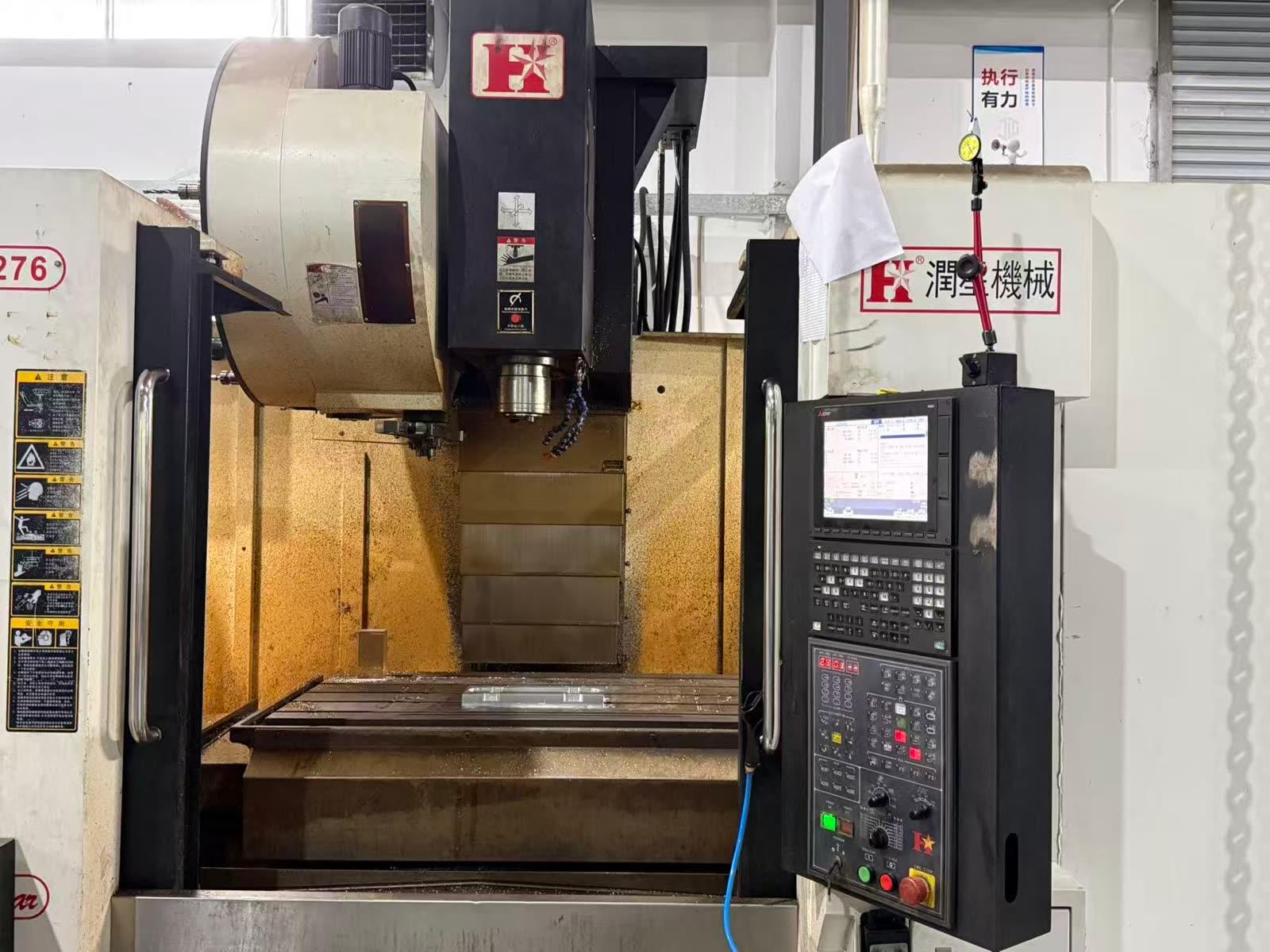
What is the real difference between 5-axis and 3-axis CNC machining? This guide covers capabilities, part complexity, cost, and when each process makes sense.
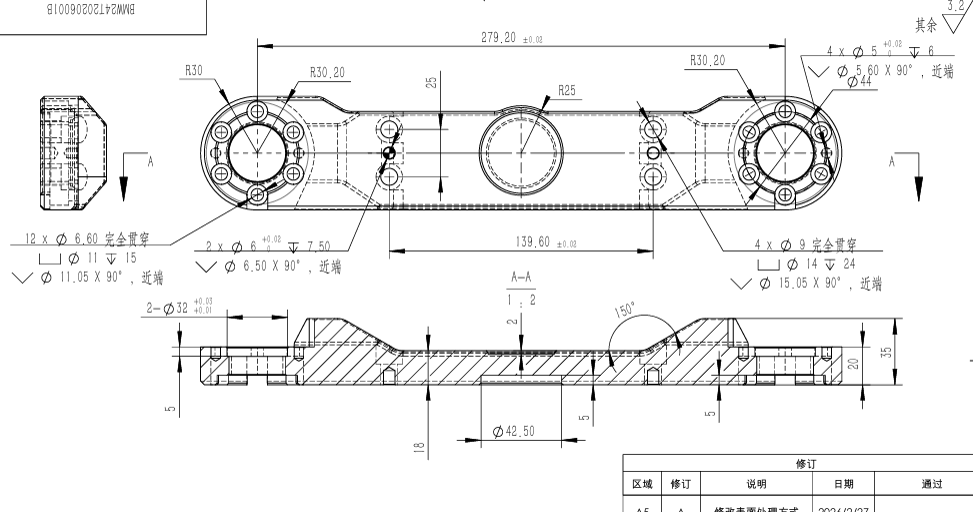
Small changes to a CAD model can cut machining cost by 20-50%. Here are the 10 DFM rules our engineers apply to every quote review.
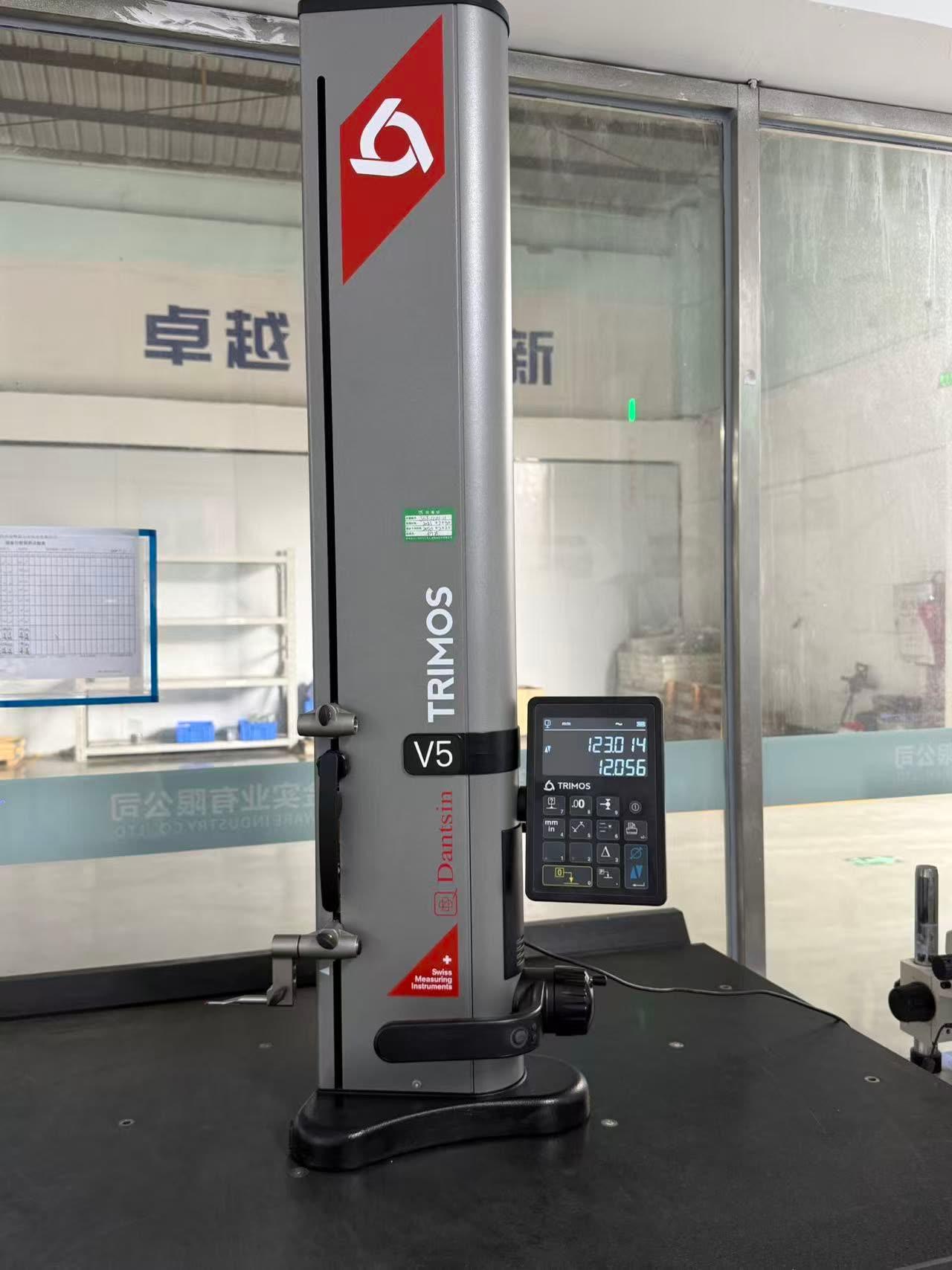
Learn what CNC machining tolerances really mean, how the ISO 2768 standard works, and when to specify tight tolerances, and when not to.