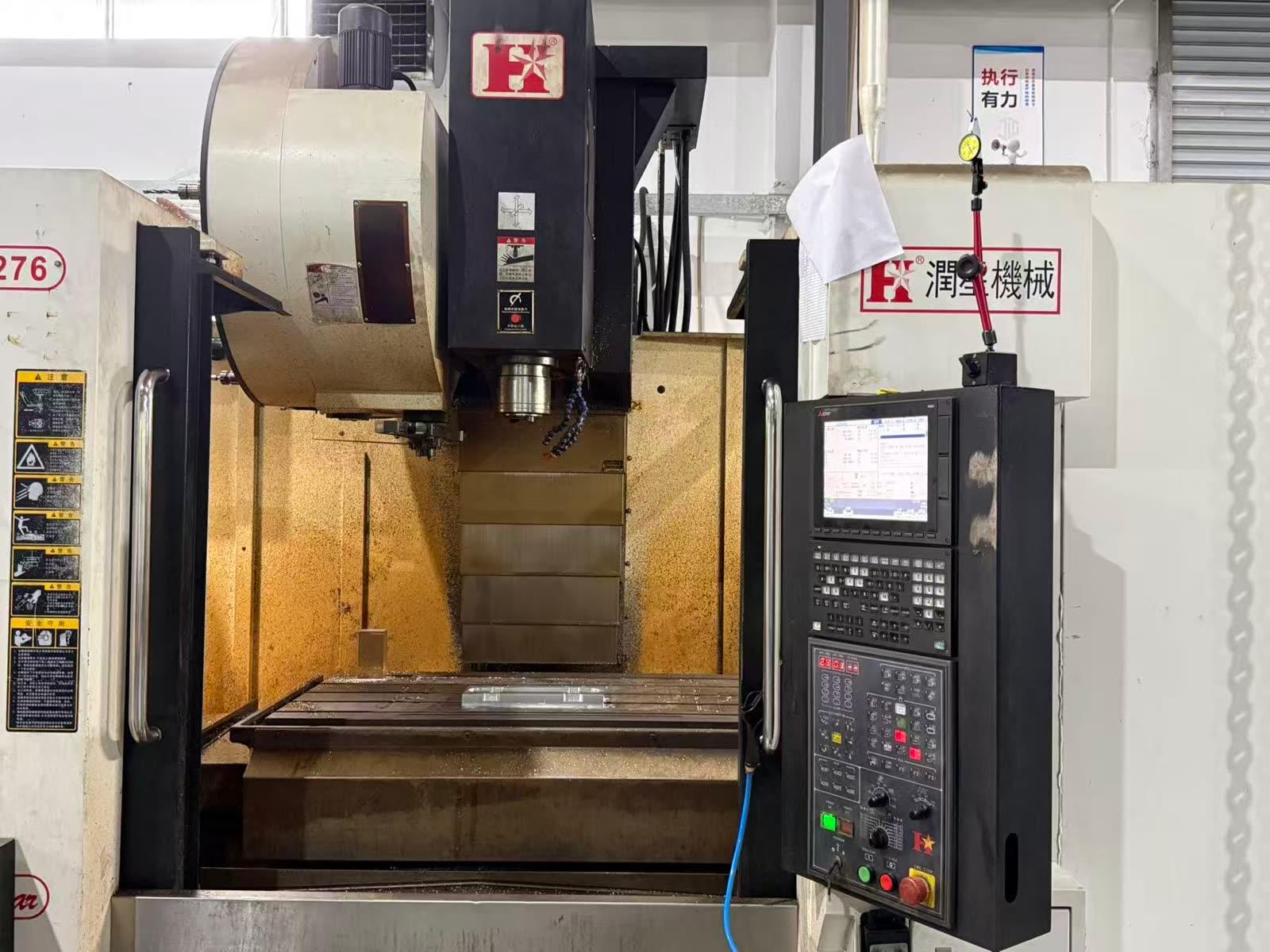
The workhorse of precision manufacturing. Our 200+ 3-axis CNC milling centres produce brackets, housings, plates and enclosures with tolerances down to ±0.01 mm, fast lead times and no minimum order.
Understanding where 3-axis fits in the machining spectrum helps you specify the right process and control cost.
Enclosures, brackets, flat plates, simple housings
Shafts, cams, cylindrical housings
Turbine blades, implants, complex moulds
From everyday prismatic parts to high-speed thin-wall aluminium work, our 3-axis centres cover a vast range of applications.
Tool moves in X, Y, Z. Machines one face at a time. Part must be re-fixtured for each new face. Excellent for pockets, slots, holes, contours on a single face.
Same 3 axes but at high spindle speeds (12,000-30,000 RPM). Used for aluminium mould cavities, thin-wall structures, and fine surface finishes. Ra down to 0.4μm achievable.
Six practical advantages that make 3-axis the right choice for prismatic, bracket, and enclosure parts.
Most cost-effective CNC process. Simple toolpaths, high machine availability, and fast cycle times reduce per-part cost significantly.
Standard 3-axis parts ship in 3-5 business days. No complex programming or specialised fixturing required.
Compatible with all machinable metals and plastics, aluminium, steel, stainless, titanium, brass, PEEK, POM, and more.
Achieves Ra 0.8-1.6μm in standard finish; Ra 0.4μm with high-speed finishing passes. Suitable for most sealing and mating surfaces.
Standard ±0.05mm; ±0.01mm achievable for critical features with careful fixturing and programming.
Every quote includes a free Design for Manufacturability check. Our engineers flag issues before machining starts.
Full technical specifications for both standard and high-speed 3-axis machining at Ginwate CNC.
| Specification | Standard 3-Axis | High-Speed 3-Axis |
|---|---|---|
| Standard Tolerance | ±0.05mm | ±0.02mm |
| Achievable Tolerance | ±0.01mm | ±0.01mm |
| Max Part Size | 800×600×400mm | 600×500×300mm |
| Min Feature Size | 0.5mm | 0.3mm |
| Surface Finish Ra | 1.6μm | 0.4μm |
| Spindle Speed | Up to 8,000 RPM | 12,000-30,000 RPM |
| Best For | General prismatic parts | Thin walls & fine finish |
We machine all common engineering metals and plastics on our 3-axis centres, from aluminium prototypes to production stainless parts.
3-axis machining is the process of choice for prismatic parts across electronics, general engineering, and R&D applications.
±0.02-0.05mm
±0.02-0.10mm
±0.01-0.05mm
Five practical design guidelines to reduce cost, improve quality, and avoid common 3-axis machining pitfalls.
Thinner walls flex during cutting, causing chatter marks and dimensional inaccuracy.
Depth-to-width ratio > 4:1 requires long thin tools prone to deflection. Design fillets ≥ tool radius.
3-axis cannot cut a perfect internal sharp corner. Add a radius equal to the tool radius + 0.1mm clearance.
Mark datum faces on your 2D drawing. A clear datum reduces setup time and eliminates ambiguity.
Parts with one or two critical tight-tolerance features and the rest standard tolerance are far cheaper than uniform tight tolerance.
Upload your CAD file and receive a detailed quote within 24 hours. No minimum order quantity, single prototypes to production runs of 10,000+ parts.
Free technical articles from Ginwate senior engineers
What is the real difference between 5-axis and 3-axis CNC machining? This guide covers capabilities, part complexity, cost, and when each process makes sense.
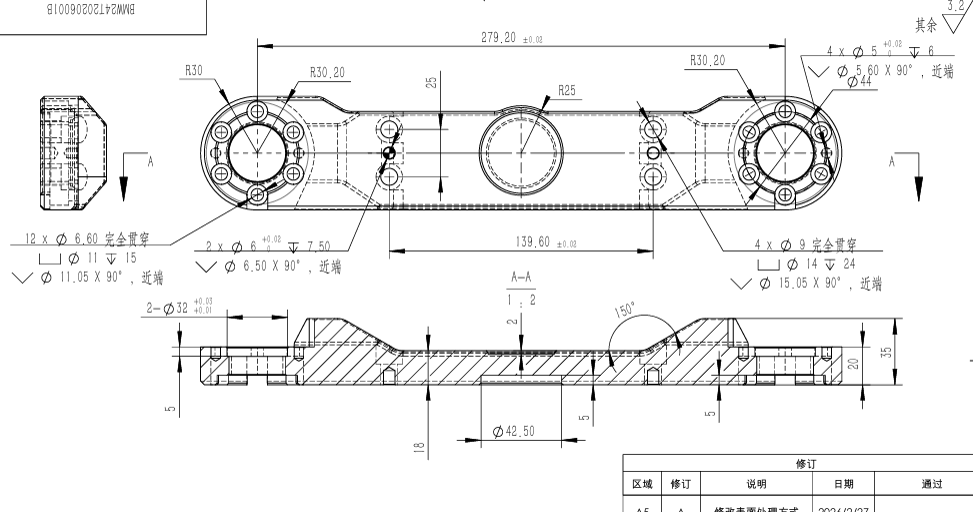
Small changes to a CAD model can cut machining cost by 20-50%. Here are the 10 DFM rules our engineers apply to every quote review.
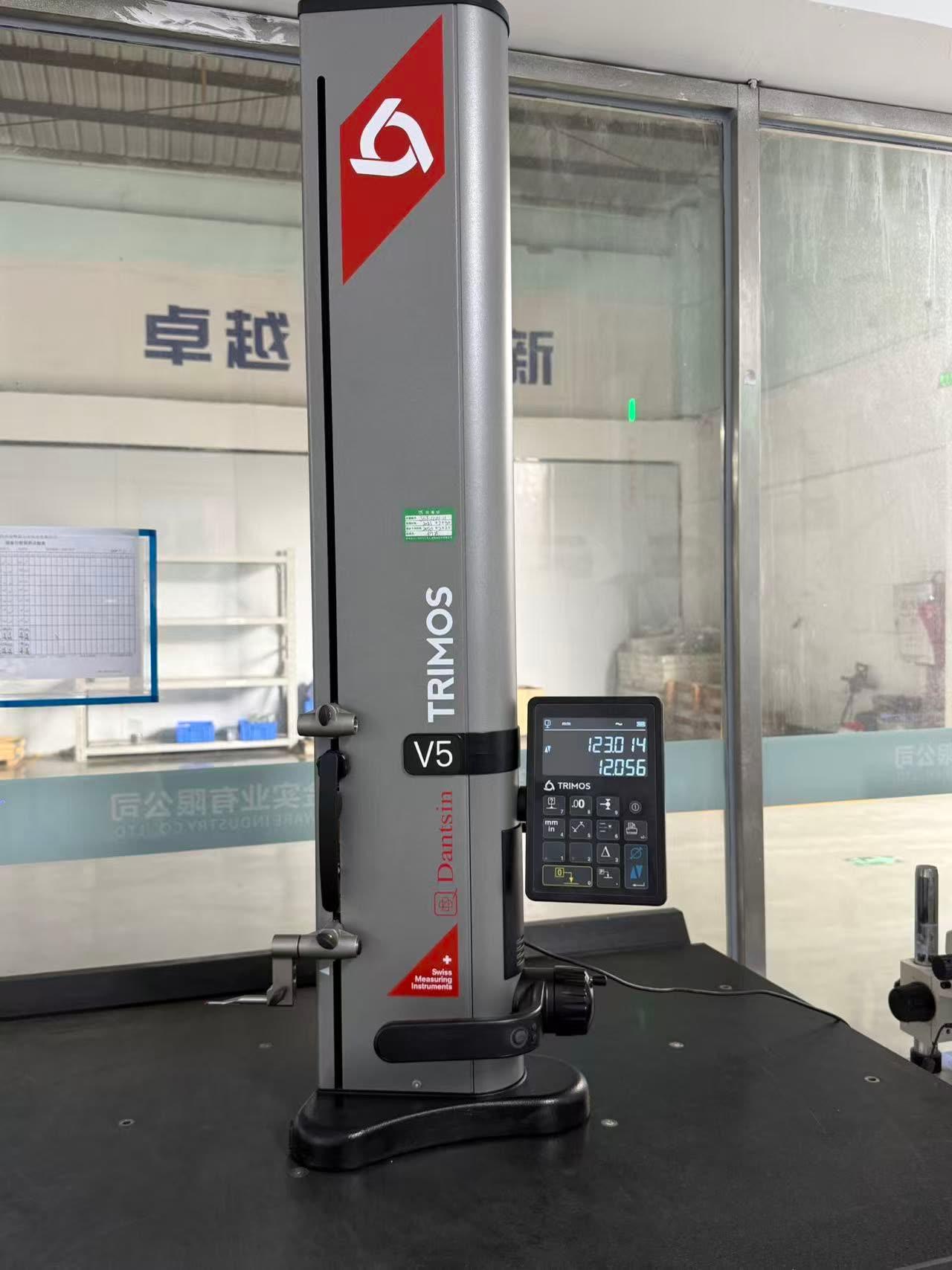
Learn what CNC machining tolerances really mean, how the ISO 2768 standard works, and when to specify tight tolerances, and when not to.