EDM & Grinding, Where Standard Machining Stops
Electrical Discharge Machining and precision grinding extend our manufacturing capability into hardened steels, complex cavities, and tolerances unreachable by conventional CNC.
Three Precision Processes
Each process targets a different class of precision challenge. We select the right method, or combine them, to hit your drawing requirements.
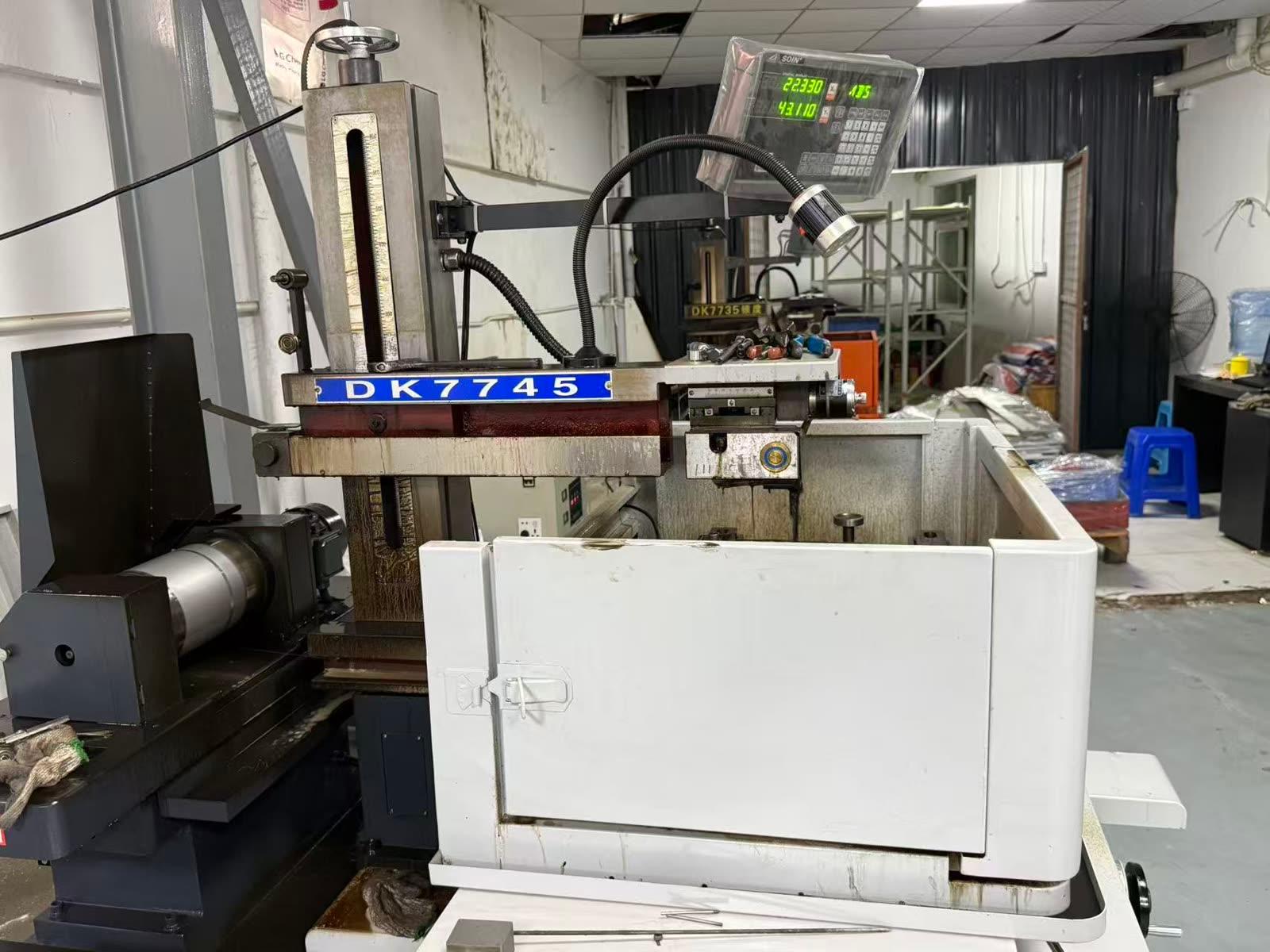
Wire EDM
How it works
A thin brass wire (0.1-0.3mm) carries electrical current and erodes material along a programmed 2D path. The workpiece is submerged in dielectric fluid.
Best for
Die sets, punch & die profiles, extrusion dies, gears, complex through-profiles in hardened steel
Tolerance
±0.002-0.005mm
Surface Finish
Ra 0.4-1.6μm
Max Part Size
500 × 350 × 200mm
Sinker EDM
How it works
A shaped copper or graphite electrode is lowered into the workpiece, eroding a cavity that mirrors the electrode shape. Used for blind cavities.
Best for
Mould cavities, die cavities, deep ribs, cooling channels, hardened steel features impossible to mill
Tolerance
±0.005-0.01mm
Surface Finish
Ra 0.2-1.6μm
Max Part Size
500 × 400 × 300mm
Precision Grinding
How it works
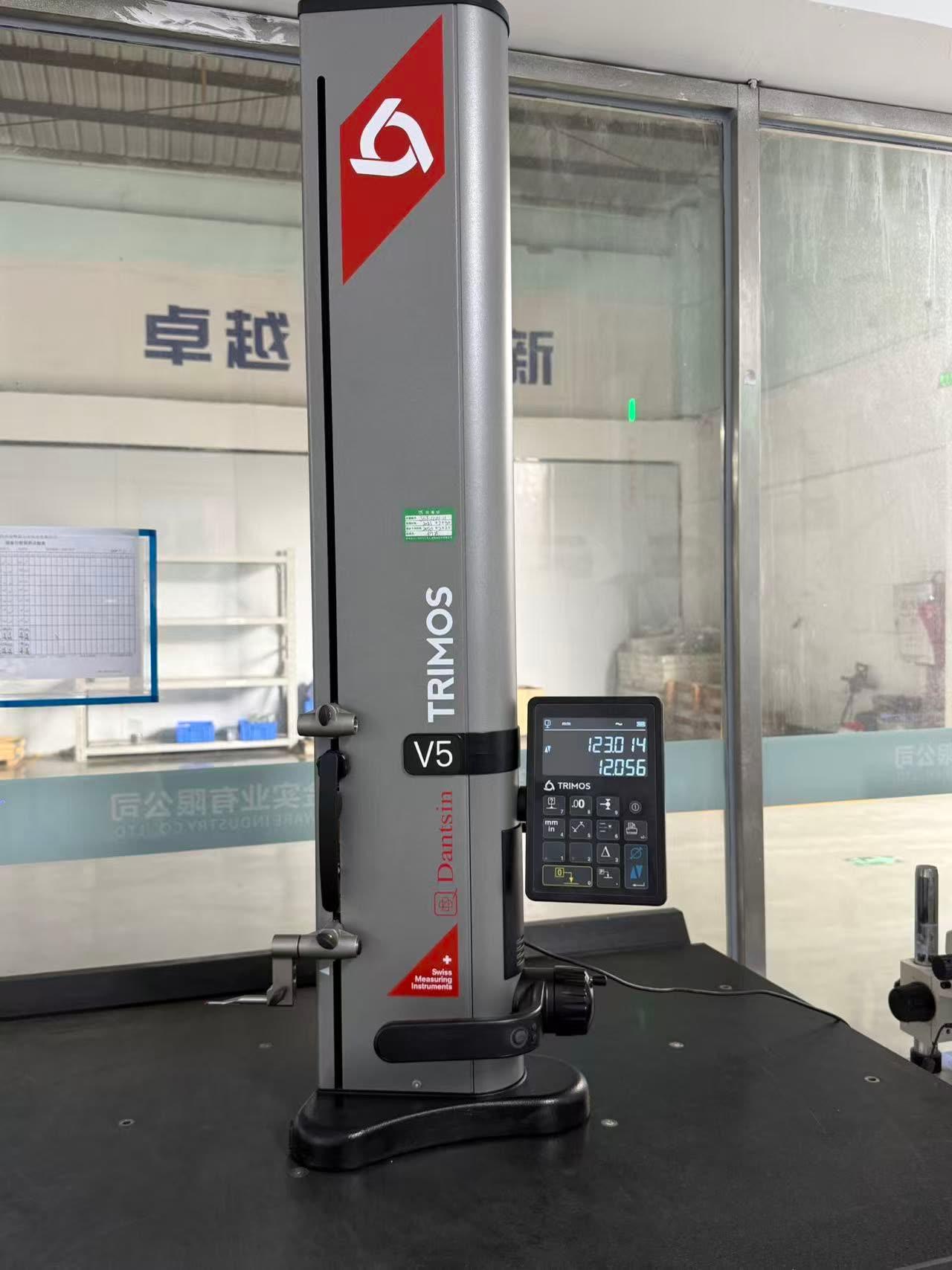
Abrasive grinding wheel removes material with extreme precision. Types: surface grinding, cylindrical (OD/ID) grinding, profile grinding. Used for final sizing.
Best for
Hardened shafts, mould plates, gauge blocks, bearing journals, ground flat surfaces
Tolerance
±0.001-0.005mm
Surface Finish
Ra 0.05-0.4μm
Max Part Size
800 × 400mm (surface), Ø300 × 1000mm (cylindrical)
Why EDM & Grinding?
Six reasons why EDM and grinding are indispensable in precision manufacturing, and why we invest in both.
No Cutting Forces
EDM removes material electrically, not mechanically. Zero cutting forces mean no vibration, no tool deflection, no workpiece distortion, critical for thin walls and delicate features.
Works on Any Conductive Material
Hardened D2, H13, M2 tool steel, tungsten carbide, Inconel, titanium, if it conducts electricity, EDM can machine it regardless of hardness.
Complex Geometry Without Special Tooling
Wire EDM cuts any 2D profile from a DXF. Sinker EDM replicates any electrode shape. No special cutters required for complex forms.
Burr-Free Results
EDM produces perfectly burr-free edges, no secondary deburring operations required. Essential for mating die sets and precision sealing surfaces.
Mirror Surface Finish
Fine-finish EDM achieves Ra 0.1μm on sinker EDM cavities. Combined with polishing, mould cavities reach optical-grade finishes down to Ra 0.02μm.
Combined with CNC
Our workflow: rough with CNC, harden, finish with EDM/grinding. Best of both worlds, fast roughing cycles, ultimate precision on finished dimensions.
Process Specifications
| Parameter | Wire EDM | Sinker EDM | Surface Grinding |
|---|---|---|---|
| Tolerance | ±0.002mm | ±0.005mm | ±0.001mm |
| Surface Finish | Ra 0.1μm | Ra 0.2μm | Ra 0.05μm |
| Max Part Size | 500×350×200mm | 500×400×300mm | 800×400mm |
| Min Feature Size | 0.1mm slit | 0.2mm rib | N/A |
| Material Hardness | Any (conductive) | Any (conductive) | Any |
Industries & Applications
Need EDM or Grinding for Your Parts?
Upload your drawing and tell us the material hardness and required tolerance. Our engineers will recommend the right process and quote within 24 hours.