Looking for 5-axis CNC machining guidance? You are in the right place. This guide answers the key questions for engineers.
The Axes Explained, 5-axis CNC machining
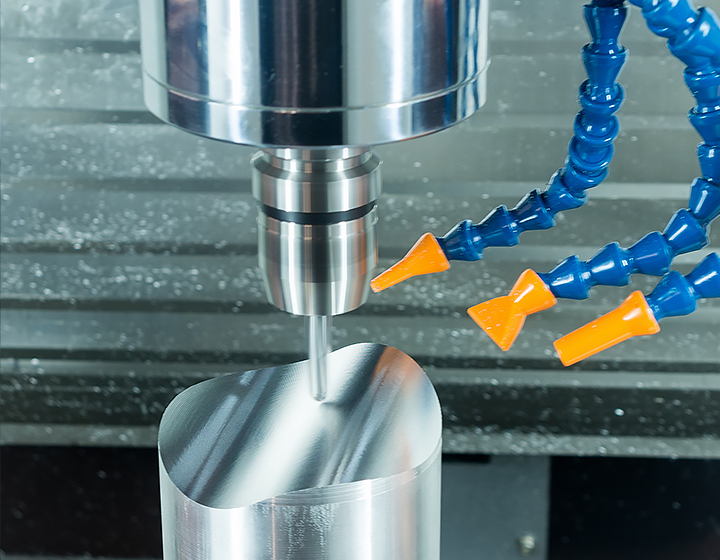
In CNC machining, "axes" refers to the number of independent directions in which the cutting tool can move relative to the workpiece. Understanding axes is fundamental to understanding what your machine shop can produce.
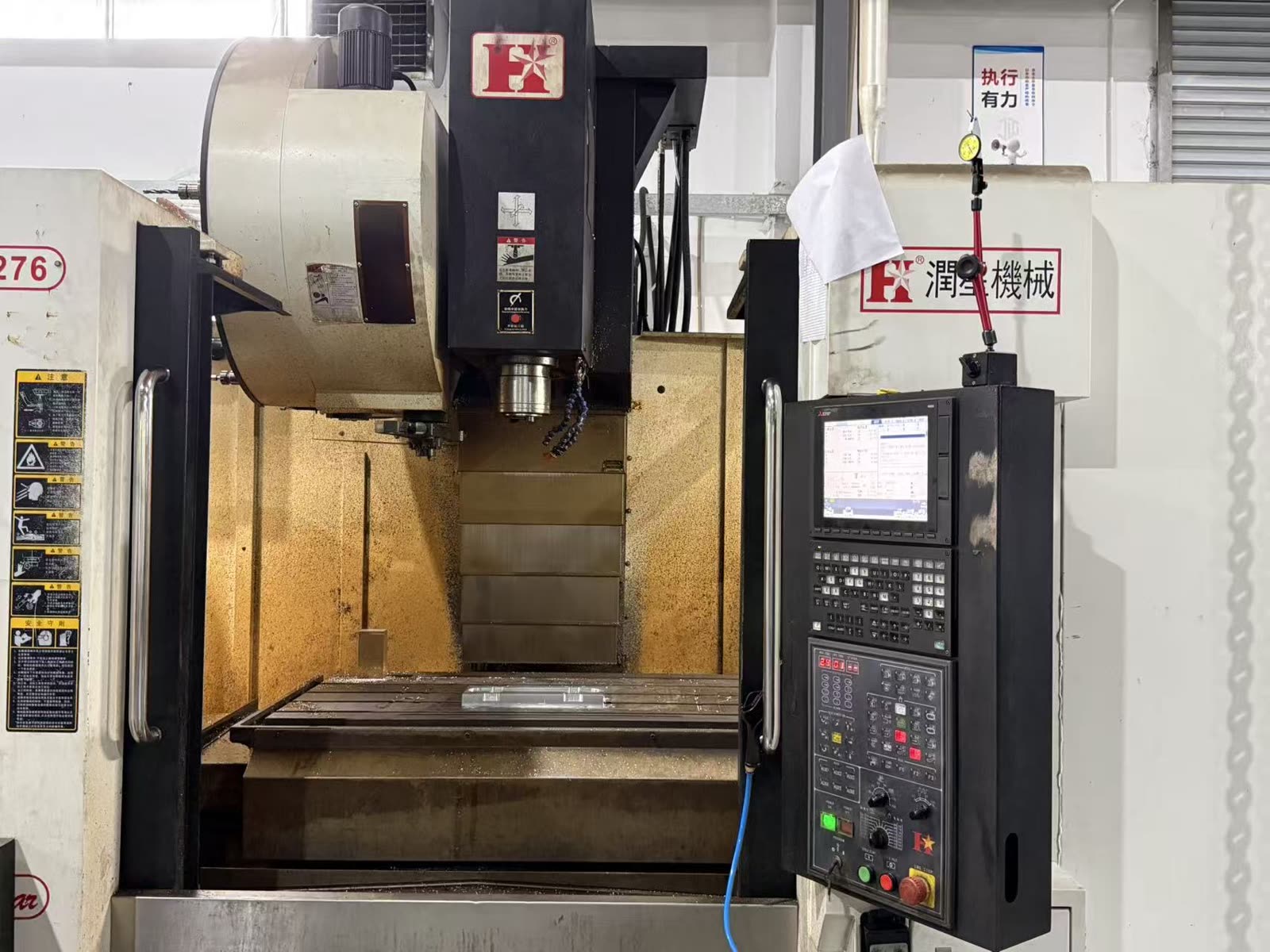
3-axis machining moves the tool in three linear directions: X (left-right), Y (front-back), and Z (up-down). The workpiece sits stationary on the machine table. This setup is the standard for the vast majority of machined parts.
5-axis machining adds two rotational axes, commonly called A (rotation around X) and B (rotation around Y), though some configurations use A+C or B+C. The result is that the cutting tool can approach the workpiece from virtually any angle, often without repositioning the part.
What 3-Axis Machining Does Well, 5-axis CNC machining
Three-axis machining is efficient, affordable, and capable of producing the majority of industrial parts. It excels at:
- Prismatic parts, blocks, plates, and housings with features on parallel or perpendicular faces
- High-volume runs, simple setups with short cycle times
- Pockets and slots, internal features accessed from one direction
- Drilling patterns, hole arrays in a single plane
The limitation is that features on angled or curved surfaces require the operator to stop the machine, reposition the part (a "setup"), re-indicate it. re-run. Each extra setup adds time, cost. a new source of positional error, because no two setups are perfectly identical.
What 5-Axis Machining Unlocks, 5-axis CNC machining
Five-axis machining removes the setup limitation. The part can be machined from up to five sides in a single clamping, with the rotary axes automatically repositioning the part as needed.
Complex geometry in one operation, impeller blades, turbine components, orthopedic implants. aerodynamic surfaces that would require five or more setups on a 3-axis machine can be completed in a single cycle.
Better surface finish on curved surfaces, the tool can tilt to maintain an optimal cutting angle relative to a curved surface throughout the tool path, eliminating the scalloping that occurs when a ball-end mill drags across a surface at a fixed angle.
Superior accuracy, eliminating setups eliminates re-location error. Parts that require multiple setups on a 3-axis machine accumulate positional error at each re-clamping. A single 5-axis setup avoids this entirely.
Shorter tools, better rigidity, because the part can be tilted toward the tool, shorter tool lengths can be used. Shorter tools deflect less and produce better finish with less vibration.
Typical Applications for 5-Axis, 5-axis CNC machining
- Aerospace structural components and brackets
- Turbine blades and impellers
- Medical implants (hip cups, spinal cages)
- Mold cavities with undercuts and draft angles
- Automotive suspension and engine components
- Defense hardware
- Complex injection mold tooling
Cost Comparison, 5-axis CNC machining
Five-axis machines cost three to five times more than equivalent 3-axis machines, and the programming is more complex. As a result, 5-axis machining has a higher hourly rate and setup cost.
However, when part complexity is high, 5-axis machining is often cheaper overall than multi-setup 3-axis machining. Consider a part requiring five setups on a 3-axis machine at 45 minutes each versus one 5-axis setup at 90 minutes, the 5-axis part is faster and has fewer quality risks.
Rule of thumb: if a part requires more than two 3-axis setups, ask your supplier to quote it on 5-axis.
3+2 vs Full Simultaneous 5-Axis, 5-axis CNC machining
There is an important distinction within "5-axis machining":
3+2 machining (also called "positional 5-axis") uses the two rotary axes to lock the part at a fixed angle, then machines with the three linear axes. This is the most common 5-axis approach and handles the majority of complex parts.
Full simultaneous 5-axis moves all five axes at the same time during cutting. This is required for compound-curved surfaces like turbine blades and impeller passages. It requires more sophisticated programming (CAM software like Siemens NX or Autodesk PowerMill) and more machine capability.
Our 5-Axis Capability, 5-axis CNC machining
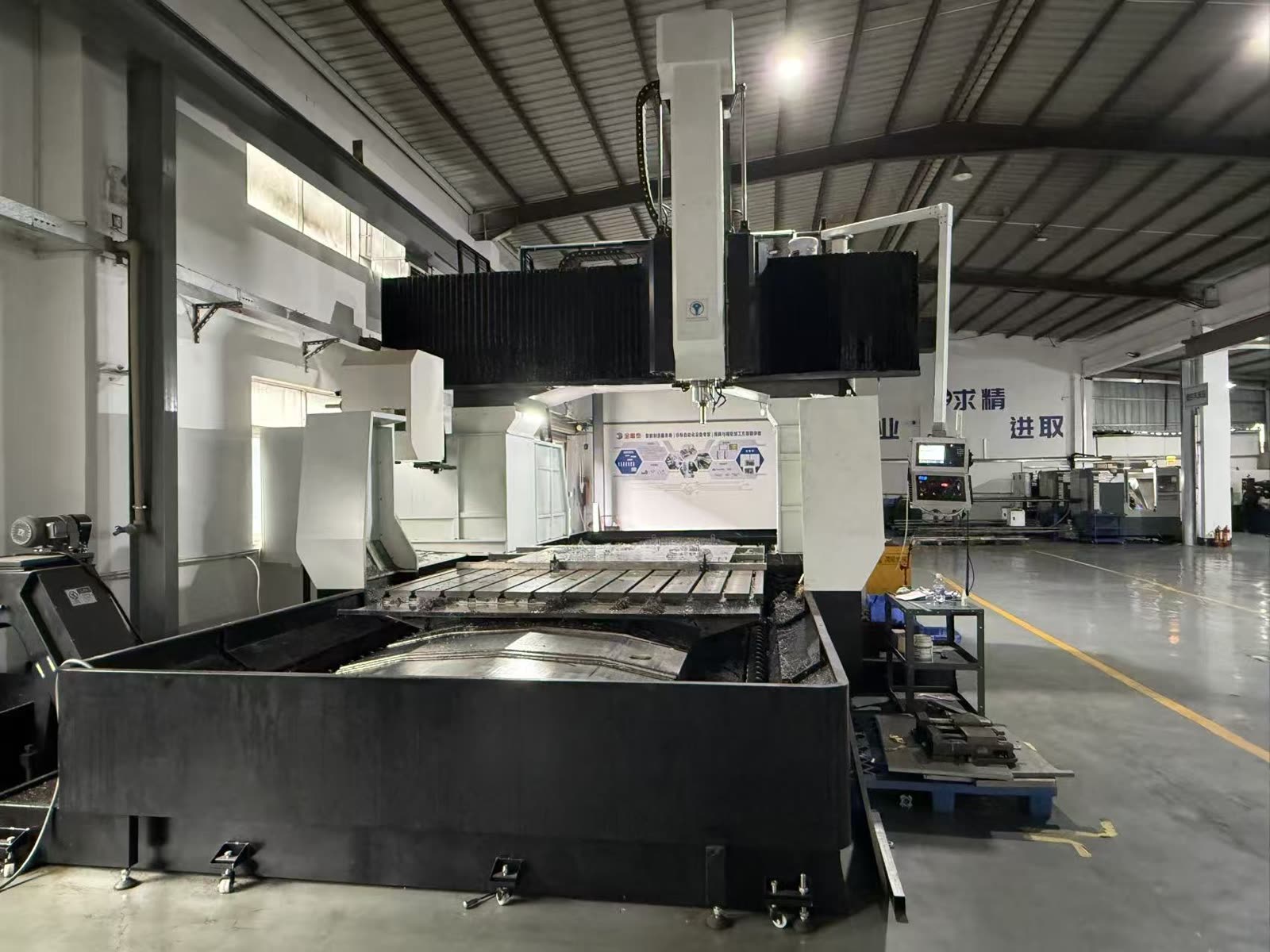
Ginwate operates Haas UMC-750 and DMG Mori DMU 50 five-axis machining centers. We handle both 3+2 and full simultaneous 5-axis work, with tolerances to ±0.005 mm on complex geometry and ±0.001 mm on datum surfaces. Full inspection with our Zeiss CMM is available for all 5-axis parts.
Request a quote for your complex part, our engineers will assess whether 5-axis is the right approach and give you honest cost guidance.
Related Ginwate Resources, 5-axis CNC machining
- Manufacturing Capabilities, 200+ machines, ±0.001mm tolerance
- Tolerances Reference
- Surface Finishes Guide
- Materials Catalog
- Get a Free DFM Quote, engineer response in 4 hours
- Case Studies
References: ISO 2768 General Tolerances and CNC on Wikipedia.
For more on 5-axis CNC machining, see the linked guides above. Our team has shipped 5-axis CNC machining parts for years. Ask us anything.
FAQs about 5-axis CNC machining
Is 5-axis CNC machining right for every project?
No. 5-axis CNC machining fits some jobs better than others. We help you pick the right spec for your part. Tell us your load, heat, and budget, and we will steer you to the best choice. Most clients save money by picking the right grade up front, not the most premium one.
How fast can Ginwate ship 5-axis CNC machining parts?
For most 5-axis CNC machining jobs we quote in four hours. Lead time runs five to ten days for prototypes. Production runs land in two to three weeks. Rush jobs ship in 72 hours when stock is on hand. Send your CAD file to start.
What tolerances can you hold for 5-axis CNC machining?
Most 5-axis CNC machining parts hold plus or minus 0.02 mm without trouble. Tighter tols are possible with the right fixturing and a final grind pass. We hit ISO 2768-fH on first try for the bulk of jobs. Spec the tols you need, not tighter than that.
Do you offer DFM review for 5-axis CNC machining?
Yes. Every quote includes a free DFM review by a senior engineer. We flag hard features, costly tols, and cheaper paths. This pays back fast, most parts get five to twenty percent cheaper after the review. No fee for this service.

Written by
Roger (罗欢)
Senior CNC engineer at Ginwate · 20+ years aerospace & medical machining