Looking for reduce CNC machining costs guidance? You are in the right place. This guide answers the key questions for engineers.
Nothing inflates a CNC quote faster than a drawing that ignores how parts are actually cut. Most cost overruns are not caused by one big mistake, they are a hundred small ones. A few DFM tweaks can knock 20-60% off your unit price without changing what the part does.
1. Loosen Tolerances You Do Not Actually Need, reduce CNC machining costs
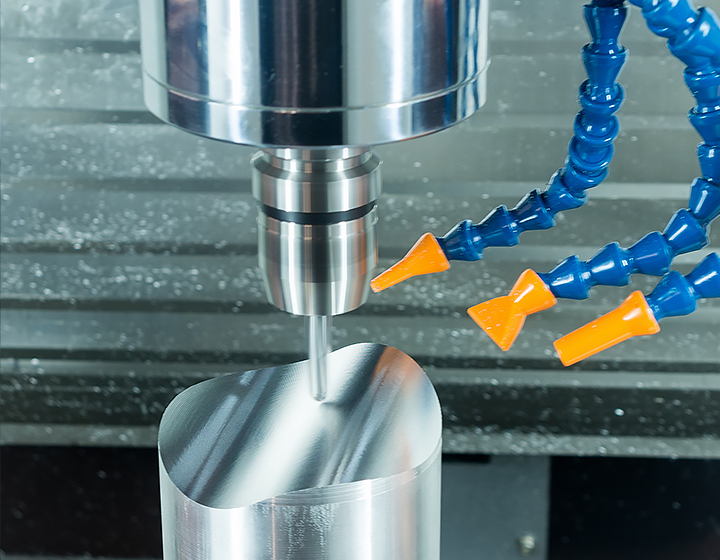
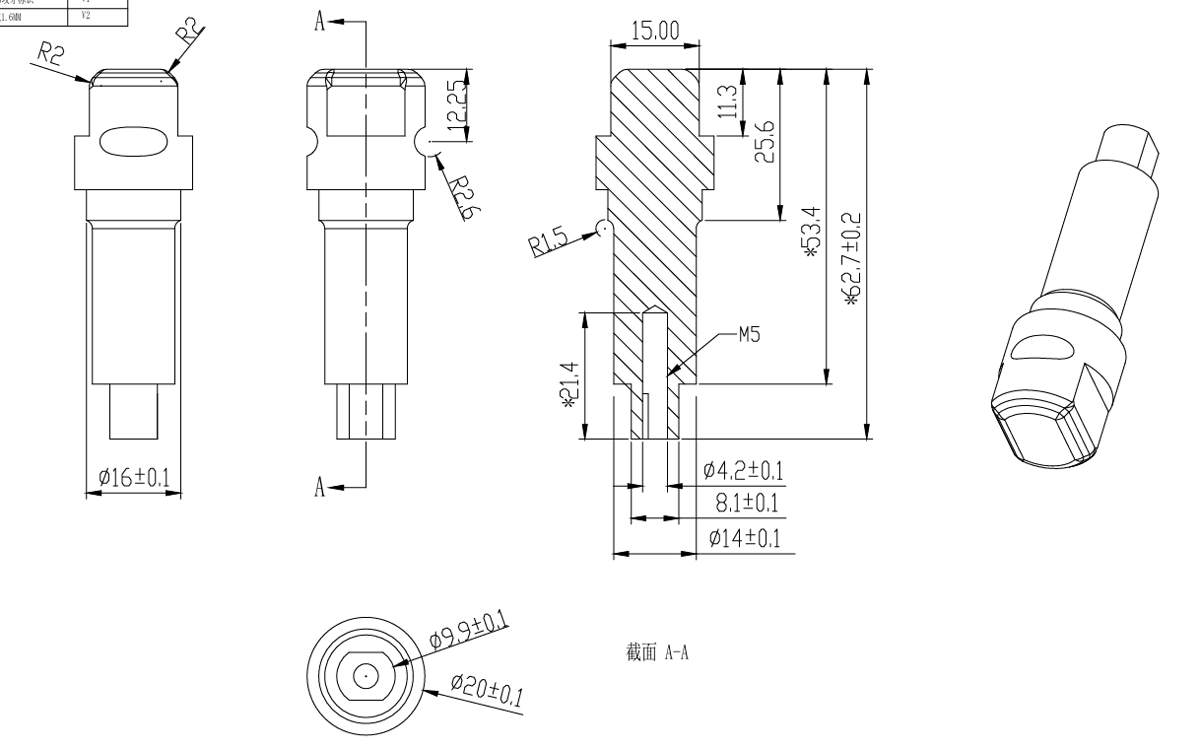
Moving from +-0.05mm to +-0.10mm on non-critical features can cut machining time by 30%. Tolerance everything to function, not habit.
Good defaults:
- General features: +-0.10mm
- Mating surfaces: +-0.025mm
- Press fits and bearings: +-0.013mm or per ISO/ANSI fit tables
2. Use Standard Drill Sizes, reduce CNC machining costs
A 6mm hole is cheap. A 5.97mm hole requires a custom reamer or precision boring cycle. Always specify drill diameters that match common metric or imperial drill sets.
3. Add Internal Corner Radii, reduce CNC machining costs
End mills are round. A square internal corner forces EDM or a tiny slow tool. Add a radius at least 1/3 the depth of the pocket. A 5mm radius lets the shop use a fast 8mm cutter, a 1mm radius forces a slow 1.5mm cutter.
4. Avoid Deep Narrow Pockets, reduce CNC machining costs
A pocket deeper than 4x the cutter diameter requires long fragile tools and slow feeds. Split a deep pocket across two faces, open up the pocket width, or convert to a through-hole if function permits.
5. Standardise Hole Depths and Threads, reduce CNC machining costs
- Make blind holes 2-3mm deeper than thread depth
- Use coarse threads (M5x0.8 not M5x0.5), faster to cut and stronger in soft materials
- Avoid thread depths greater than 1.5x diameter
6. Choose the Right Material, reduce CNC machining costs
A 6061-T6 aluminium part might cost USD 18. The same drawing in 7075 costs USD 26. A 304 stainless version might be USD 40. Always ask whether your strength and corrosion needs justify the upgrade.
7. Minimise Setups, reduce CNC machining costs
Every extra setup on a 3-axis machine adds 15-30 minutes. Designs machined in one or two setups always cost less. Group features on as few faces as possible.
8. Avoid Cosmetic Surface Finishes Unless Required
| Surface Finish | Process | Relative Cost |
|---|---|---|
| Ra 6.3 um | As-milled | 1x |
| Ra 1.6 um | Standard finish | 1.2x |
| Ra 0.4 um | Very fine pass | 2.5x |
| Ra 0.05 um | Polishing | 5-10x |
Unless you are sealing against an O-ring, Ra 1.6um is plenty.
9. Use Generous Fillets on External Edges
Sharp external edges require manual deburring. A 0.3mm chamfer lets the chamfer mill remove all sharp edges in seconds. Specify break all sharp edges 0.3mm on your drawing.
10. Design for Standard Stock
Aluminium plate comes in standard thicknesses: 6, 10, 12, 15, 20, 25, 30mm. Designing a 14mm plate forces machining off a 15mm blank, wasted material and time.
11. Engrave, Do Not Emboss
Engraved text is fast, seconds with a 0.5mm engraving cutter. Embossed text requires removing all surrounding material, multiplying cycle time by 5-10x.
12. Order Smart Quantities
| Quantity | Per-Part Price |
|---|---|
| 1 | USD 280 |
| 5 | USD 90 |
| 25 | USD 42 |
| 100 | USD 25 |
| 500 | USD 18 |
If you are confident in the design, ordering 5 instead of 1 often costs only 60% more for 5x the parts.
Bonus: Talk to Your Manufacturer Early
A 15-minute conversation before you finalise the drawing is the single highest-ROI DFM activity available. Most reputable manufacturers including Ginwate will review your STEP file for free and flag cost-driving features.
Want a DFM review of your drawing? Get a free quote, including specific cost-reduction suggestions, from [Ginwate CNC](https://ginwatecnc.com/contact).
Related Ginwate Resources
- Manufacturing Capabilities, 200+ machines, ±0.001mm tolerance
- Tolerances Reference
- Surface Finishes Guide
- Materials Catalog
- Get a Free DFM Quote, engineer response in 4 hours
- Case Studies
References: ISO 2768 General Tolerances and CNC on Wikipedia.
FAQs about reduce CNC machining costs
Is reduce CNC machining costs right for every project?
No. reduce CNC machining costs fits some jobs better than others. We help you pick the right spec for your part. Tell us your load, heat, and budget, and we will steer you to the best choice. Most clients save money by picking the right grade up front, not the most premium one.
How fast can Ginwate ship reduce CNC machining costs parts?
For most reduce CNC machining costs jobs we quote in four hours. Lead time runs five to ten days for prototypes. Production runs land in two to three weeks. Rush jobs ship in 72 hours when stock is on hand. Send your CAD file to start.
What tolerances can you hold for reduce CNC machining costs?
Most reduce CNC machining costs parts hold plus or minus 0.02 mm without trouble. Tighter tols are possible with the right fixturing and a final grind pass. We hit ISO 2768-fH on first try for the bulk of jobs. Spec the tols you need, not tighter than that.
Do you offer DFM review for reduce CNC machining costs?
Yes. Every quote includes a free DFM review by a senior engineer. We flag hard features, costly tols, and cheaper paths. This pays back fast, most parts get five to twenty percent cheaper after the review. No fee for this service.
Key Takeaways on reduce CNC machining costs
The right plastic or metal pick saves time and money. reduce CNC machining costs is one piece of the puzzle. Match the spec to the load, heat, and chemicals your part will see. Pick simple geometry where you can. Spec tight tols only where they matter. We are here to help at every step.
Ginwate has shipped reduce CNC machining costs parts for hundreds of clients. We work with start-ups and Fortune 500 teams. Our shop runs eight CNC mills and four lathes. We hit lead times of five to ten days for most jobs. Quality is checked at every stage. We back our work with a full quality report.
Want to learn more about reduce CNC machining costs? Browse our other guides above. Or send your part files for a free quote. We will get back to you in four hours.

Written by
Chenny
Senior CNC engineer at Ginwate · 20+ years aerospace & medical machining