Geometry
- Internal corner radius ≥ ⅓ pocket depth. Smaller radii force smaller end mills which run slower. Each step down in tool size roughly doubles cycle time.
- Minimum wall thickness ≥ 0.8 mm on aluminum, ≥ 1.5 mm on stainless. Thinner walls chatter or deflect during cutting.
- Maximum hole depth ≤ 4× hole diameter. Deeper requires specialty tooling (gun drills, peck cycles); cost goes up sharply past 4D.
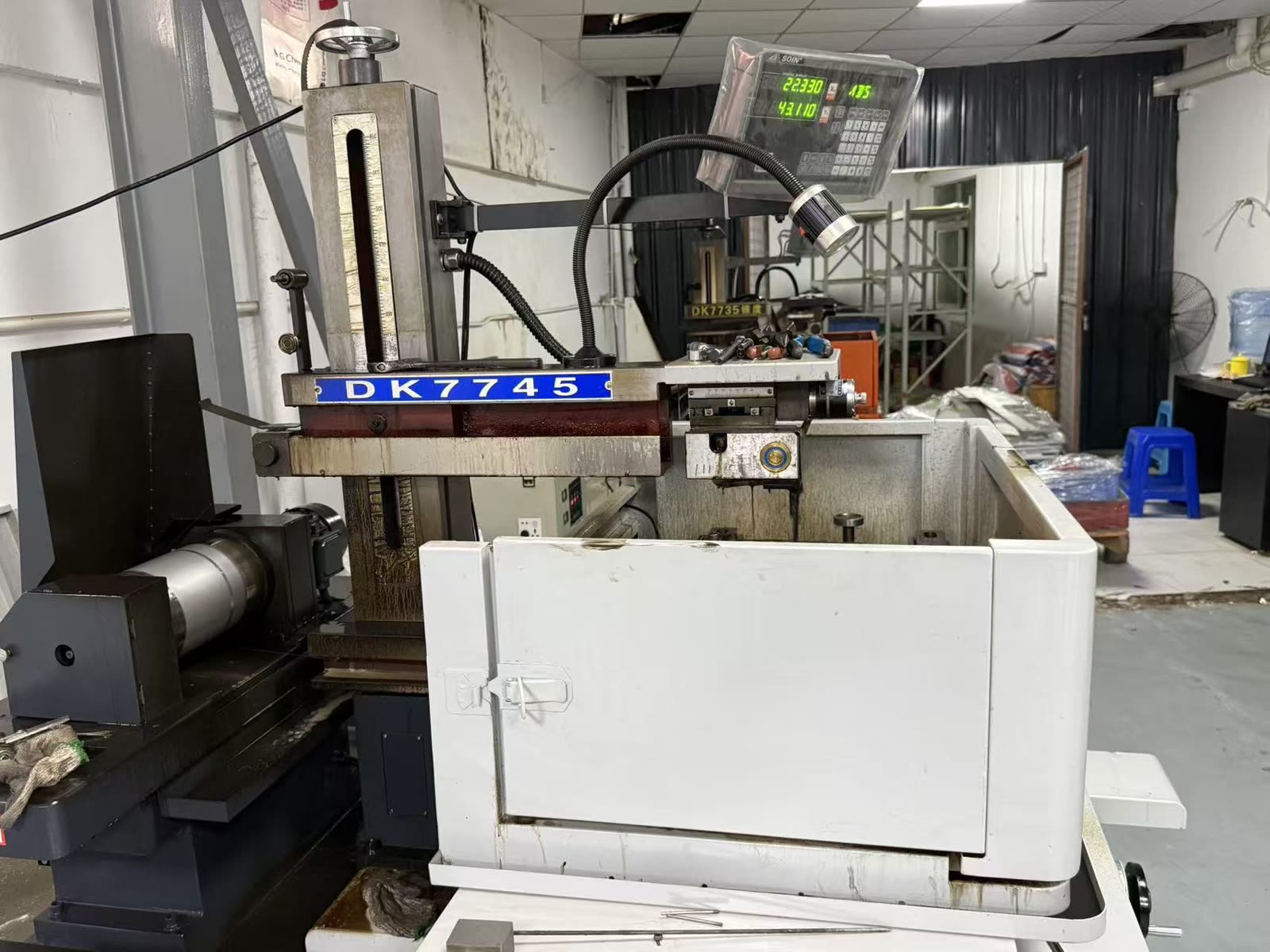
- Avoid square internal corners unless you actually need them, they cost EDM time. If a square corner is functional (e.g. mating part), call it out specifically.
- External corners are free. Round them or leave them sharp, same cost.
Features
- Standard hole sizes preferred. Designing to drill chart sizes (e.g. 6.35 mm = ¼") removes the need for a custom reamer.
- Through-holes faster than blind holes. Especially if blind hole needs a flat bottom (which requires a flat-end mill instead of drill).
- Thread engagement = 1.5× diameter, not more. M6 threads need 9 mm engagement, not 30 mm. Deeper threads are wasted material + slower tap operation.
- Avoid undercuts if 3-axis possible. Undercuts force 4 or 5-axis machining (1.5-3× more expensive). If absolutely needed, dimension them clearly.
- Use standard tap sizes (M3, M4, M5, M6, M8, M10) rather than M3.5, M4.5, same strength, smaller tap library.
Tolerances
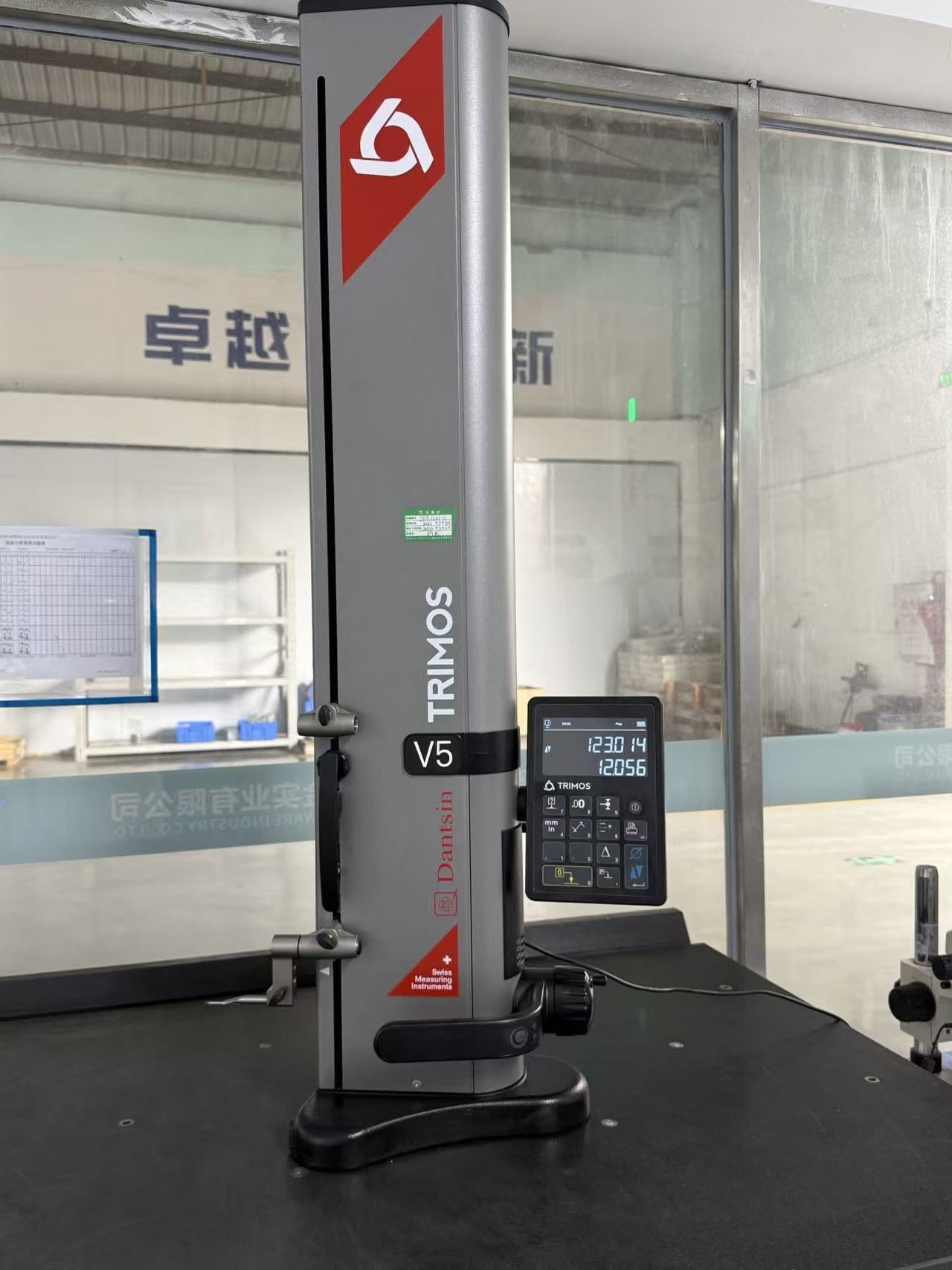
- Apply tight tolerances only where they matter. ±0.025 mm on a clearance hole is wasteful; the hole only needs to clear the screw.
- Tolerance stack carefully. Don't over-tolerance interfaces, if A is ±0.05 mm and B is ±0.05 mm, their assembly is ±0.10 mm; design B to ±0.025 mm only if you really need ±0.05 mm total.
- Surface finish callouts only where needed. "Ra 1.6 everywhere" forces all features to that finish; specify per-feature.
Material + finishing
- Prefer 6061-T6 over 7075-T6 unless you specifically need 7075 strength. 6061 is 3× easier to machine.
- Avoid mixing materials in one part. Multi-material features force two operations or inserts.
- Choose finish before designing. Anodizing builds up 5-25 µm of oxide layer, affects fit on tight tolerances. Account for it in the design.
- Standard finishes are cheaper. Type II clear anodize is industry-default; Type III hard anodize or specific colors add cost + lead time.
Documentation
- Drawing in PDF + 3D in STEP. Both, every time.
- Critical dimensions ballooned on drawing. Helps engineer focus DFM review where it matters.
- Use GD&T for interfaces. Positional, parallelism, perpendicularity, communicates intent better than +/− tolerances alone.
The DFM review
Ginwate runs a free DFM review on every quote (1-12 hours during business hours). We'll flag any rule above that applies to your part, suggest a fix, and re-quote, at no extra cost.
Upload your CAD and we'll send back the DFM notes with the quote.

Written by
Chenny
Senior CNC engineer at Ginwate · 20+ years aerospace & medical machining