You spec plastic parts. PEEK vs POM, which one wins? They look alike. But the wrong pick can cost you. A lot.
This guide is short. We line up PEEK and POM side by side. You will know which to use by the end. We pull from years of CNC work at Ginwate. So the tips are real, not fluff.
Quick Verdict, Pick One, PEEK vs POM
Pick POM (Delrin) for low-cost parts at room temp. It shines in gears, bushings, and slides. So most jobs call for POM.
Pick PEEK when you need top specs. Think: heat above 100°C. Or harsh chemicals. Or autoclaves. Or body implants. Also, PEEK takes load where POM would creep.
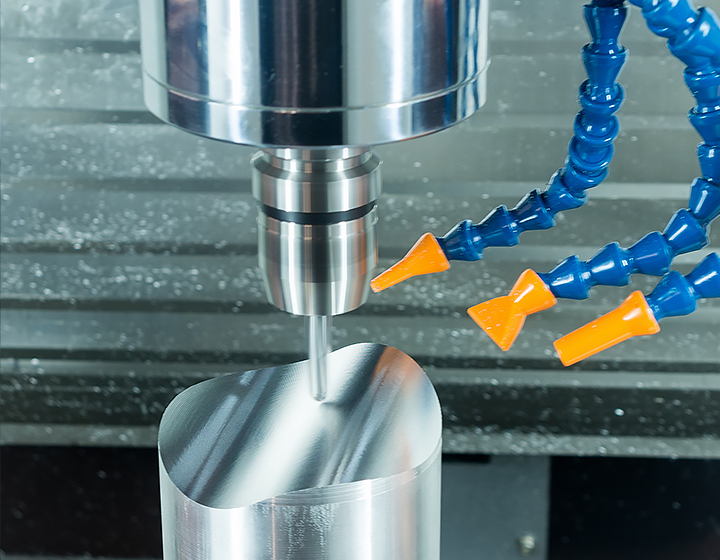
PEEK vs POM at a Glance
Numbers tell the real story. Here is the data you need most.
| Property | POM (Delrin) | PEEK |
|---|---|---|
| Tensile Strength | 65-70 MPa | 90-100 MPa |
| Max Service Temp | 90°C | 250°C |
| Chemical Resistance | Good | Top |
| Cost (relative) | 1x | 15-25x |
| Cut Speed | Fast | Slow |
| Body-Safe | No | Yes |
When POM Wins, PEEK vs POM
POM cuts like brass. Chips break clean. Finish comes out glossy. Tight tols are easy. So POM is the go-to for many runs.
Best POM Uses, PEEK vs POM
- Gears and cams
- Pump bodies for water
- Rollers and guides
- Snap-fit parts
- Dry bushings
But POM has limits. Above 100°C it gets soft. Strong acids eat it. UV light kills it. For example, a pump in the sun fails in a year. So check your site first.
When PEEK is Worth It, PEEK vs POM
PEEK costs 15 to 25 times more than POM. Yet we spec it all the time. Why? It wins where other plastics fail. Plain and simple.
Best PEEK Uses
- Jet seals and bushings
- Chip-plant wafer tools
- Body implants that get steam cleaned
- Oil-well tools at high heat
- Plugs rated for 200°C
Also, PEEK is body-safe per ISO 10993. So it shows up in medical parts. Think spine cages, dental posts, bone plates.
CNC Tips for Both
Each plastic cuts in its own way. We use different tools and feeds. Here is what works.
How to Cut POM
Use sharp tools. Run fast spindle (5,000 to 15,000 RPM). Feed at a steady pace. Air blast cools well. As a result, POM leaves no burrs.
How to Cut PEEK
Use polished tools so chips don't stick. Run a slower spindle (1,500 to 3,000 RPM). Feed slow and steady. Flood coolant beats heat. But the chip stays long, so use a chip breaker.
For tight tols on either plastic, see our tol guide and tol page. Each plastic moves with heat. So size shifts as it cools.
Cost Trade-Off
Let us talk price. A 50 mm cube part runs like this:
- POM: $8 to $15 per part
- PEEK: $120 to $250 per part
The gap is huge. So pick PEEK only when you must. For example, if your part stays under 80°C and dry, POM is fine. PEEK there just wastes cash. But if steam or strong acids touch it, POM dies fast. PEEK lasts years.
Rule of thumb: under 80°C and mild chems, use POM. Above that, look hard at PEEK.
Get a Quote
Not sure which to use? Our team checks each quote. We flag bad picks. For your next job, send your CAD for free DFM review, we reply in four hours.
Want more help? Try our material picker. Or check our plastic shop page for full specs.
More Reading
FAQs about PEEK vs POM
Is PEEK vs POM right for every project?
No. PEEK vs POM fits some jobs better than others. We help you pick the right spec for your part. Tell us your load, heat, and budget, and we will steer you to the best choice. Most clients save money by picking the right grade up front, not the most premium one.
How fast can Ginwate ship PEEK vs POM parts?
For most PEEK vs POM jobs we quote in four hours. Lead time runs five to ten days for prototypes. Production runs land in two to three weeks. Rush jobs ship in 72 hours when stock is on hand. Send your CAD file to start.
What tolerances can you hold for PEEK vs POM?
Most PEEK vs POM parts hold plus or minus 0.02 mm without trouble. Tighter tols are possible with the right fixturing and a final grind pass. We hit ISO 2768-fH on first try for the bulk of jobs. Spec the tols you need, not tighter than that.
Do you offer DFM review for PEEK vs POM?
Yes. Every quote includes a free DFM review by a senior engineer. We flag hard features, costly tols, and cheaper paths. This pays back fast, most parts get five to twenty percent cheaper after the review. No fee for this service.
Key Takeaways on PEEK vs POM
The right plastic or metal pick saves time and money. PEEK vs POM is one piece of the puzzle. Match the spec to the load, heat, and chemicals your part will see. Pick simple geometry where you can. Spec tight tols only where they matter. We are here to help at every step.
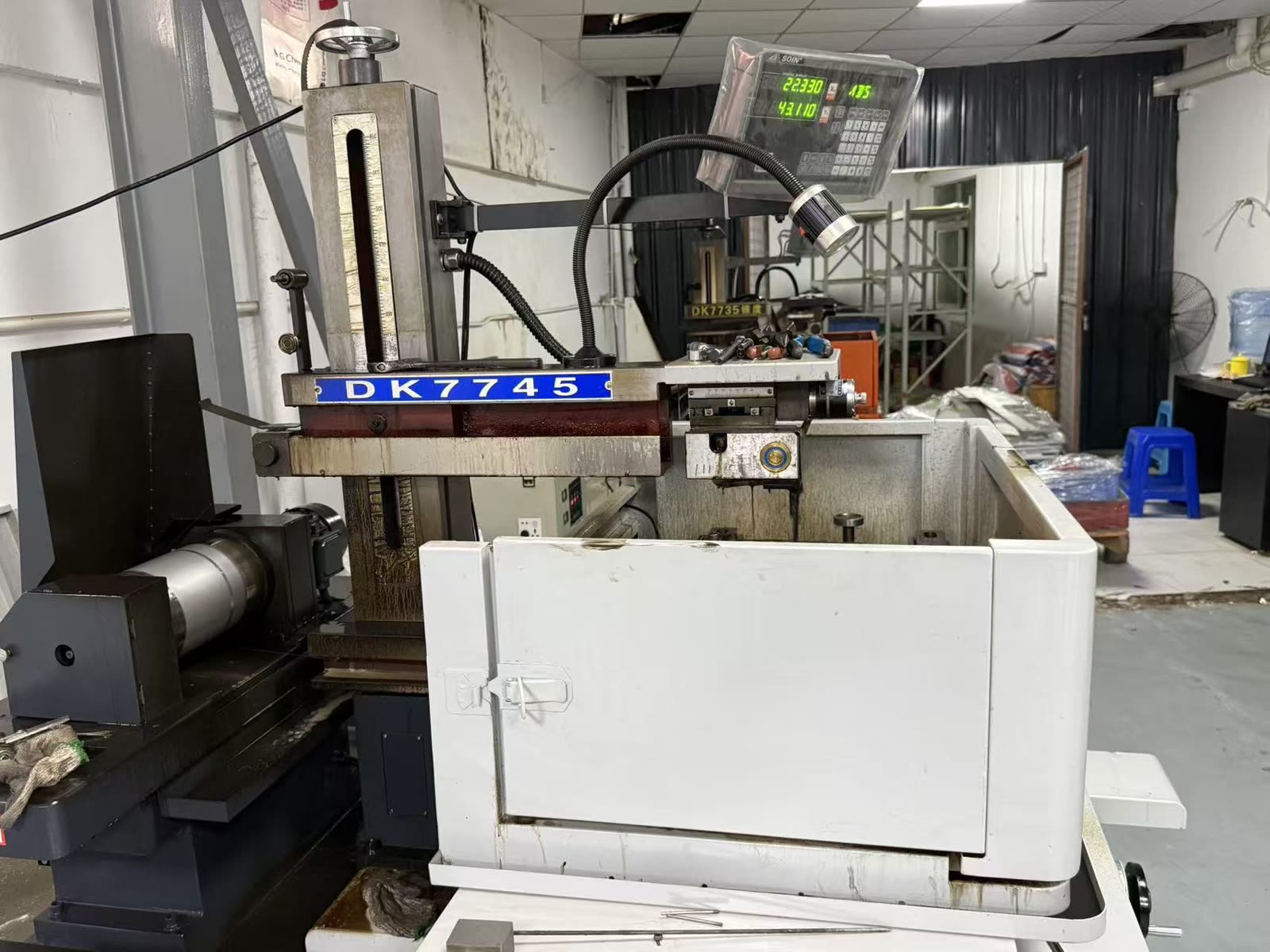
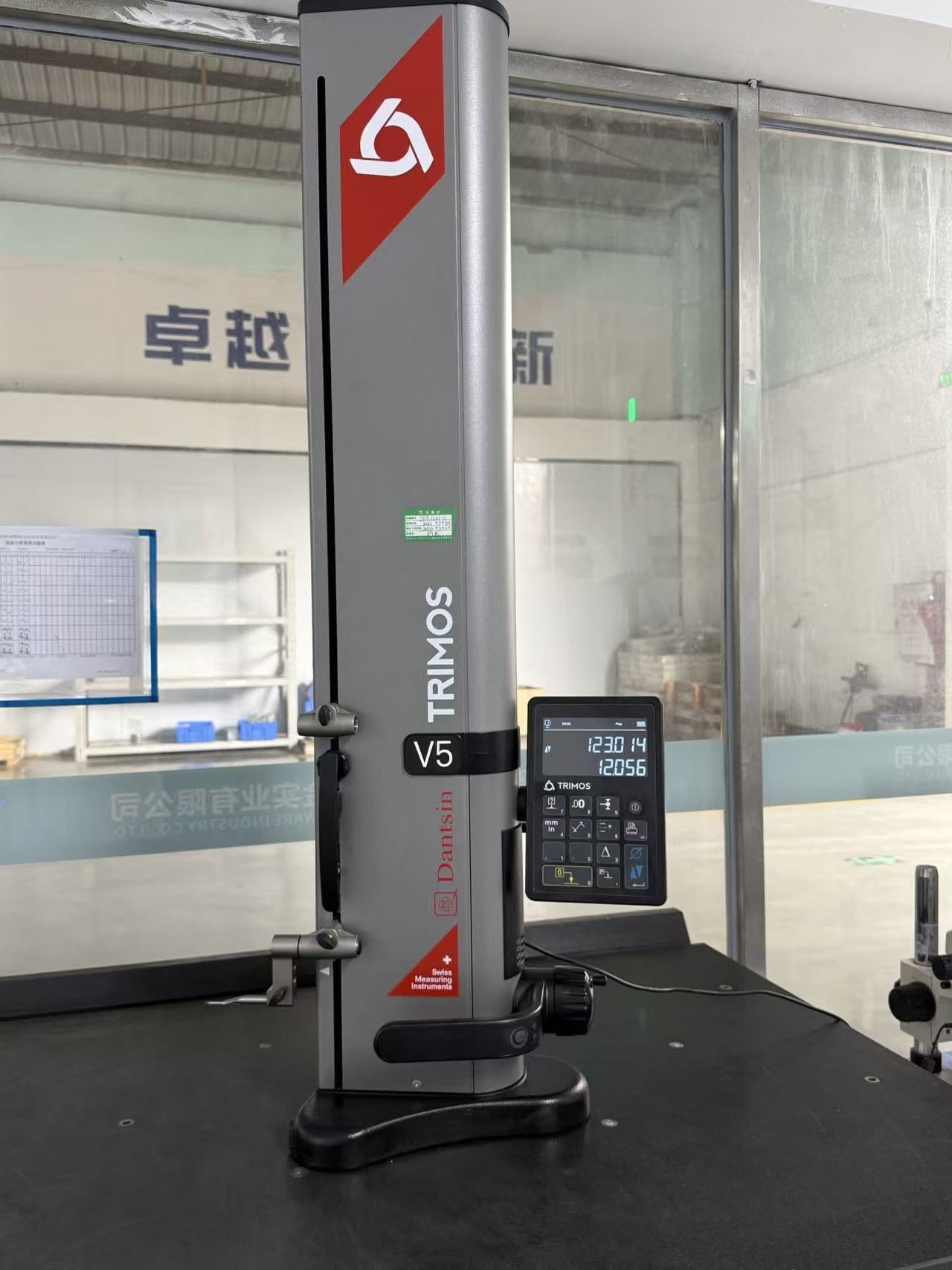
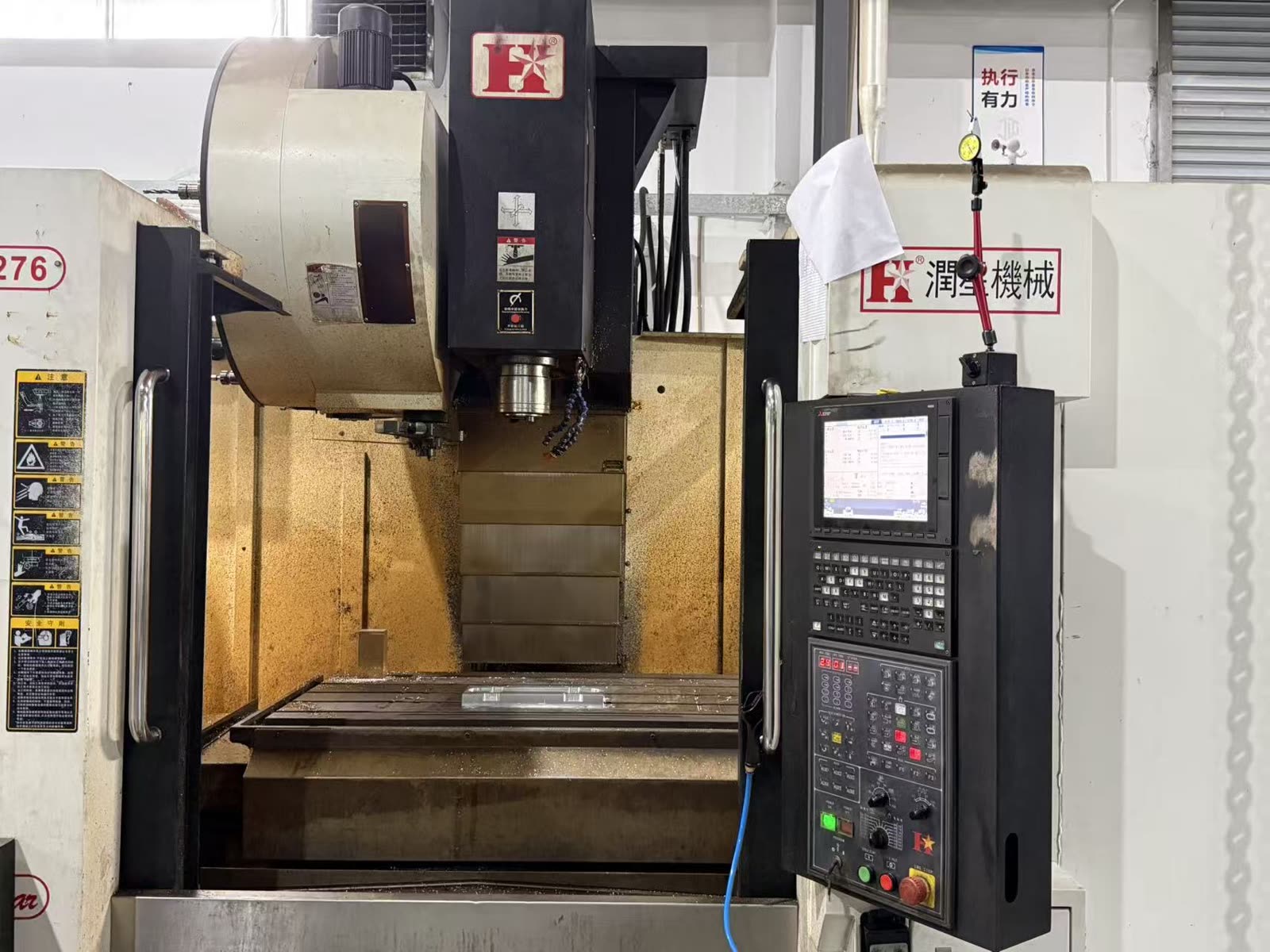
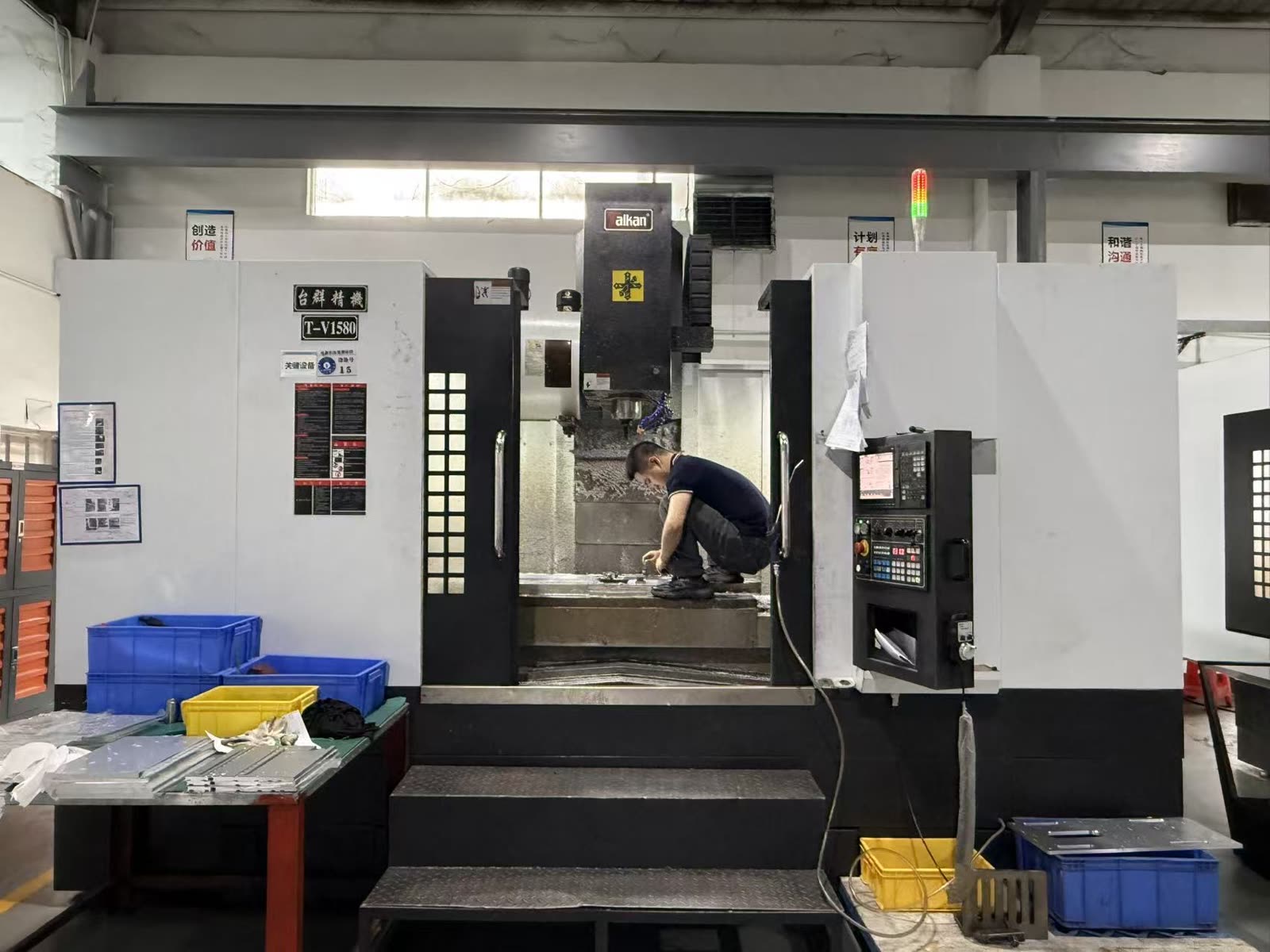
Ginwate has shipped PEEK vs POM parts for hundreds of clients. We work with start-ups and Fortune 500 teams. Our shop runs eight CNC mills and four lathes. We hit lead times of five to ten days for most jobs. Quality is checked at every stage. We back our work with a full quality report.
Want to learn more about PEEK vs POM? Browse our other guides above. Or send your part files for a free quote. We will get back to you in four hours.

Written by
Redowan Islam
Senior CNC engineer at Ginwate · 20+ years aerospace & medical machining