Looking for prototype to production CNC guidance? You are in the right place. This guide answers the key questions for engineers.
Making one perfect prototype is one problem. Making 10,000 identical parts at a price the market will pay is a completely different problem. Many product launches stall in this gap, the design works, the prototype passes, but production costs balloon or quality slips between batches.
The Four Stages, prototype to production CNC
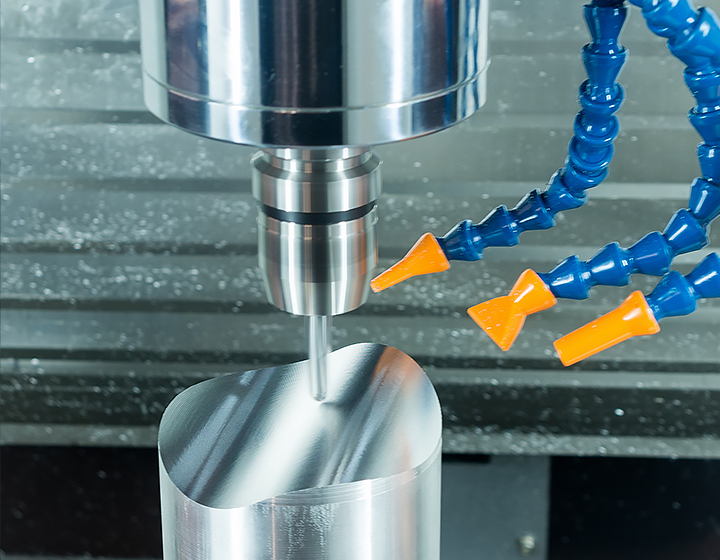
| Stage | Quantity | Goal |
|---|---|---|
| Prototype | 1-5 | Prove the design works |
| Engineering Validation | 10-50 | Test under real conditions |
| Pilot Production | 100-500 | Validate the manufacturing process |
| Volume Production | 1,000-10,000+ | Optimise cost and consistency |
Each stage has different priorities. Treating them all the same, or skipping a stage, is the most common cause of scale-up failure.
Stage 1: Prototype (Qty 1-5), prototype to production CNC
Priority: speed and learning, not cost.
The goal is to hold the part in your hand and see whether the design works. Optimising for cost here is wasteful, the design will change.
Good prototype practices:
- Use 3-axis CNC unless geometry truly demands 5-axis
- Accept generous tolerances (+-0.10mm) where function allows
- Use the cheapest equivalent material (6061-T6 instead of 7075, POM instead of PEEK)
- Skip cosmetic finishes, leave parts as-milled
- Order 2-3 spare parts in case one is damaged in testing
Typical lead time: 3-7 working days. Typical cost: USD 80-500 per part.
Stage 2: Engineering Validation (Qty 10-50), prototype to production CNC
Priority: confirming the design holds up under real conditions.
Now you are testing fits, fatigue, sealing, vibration, environmental exposure. Real production materials and processes start to matter.
Key decisions:
- Lock the production material and finish
- Establish drawing revisions with proper tolerances and GD&T
- Identify critical features that need 100% inspection
- Order from the supplier who will likely produce volume
Expect 2-3 design revisions during this stage.
Stage 3: Pilot Production (Qty 100-500), prototype to production CNC
Priority: prove the manufacturing process before committing to volume.
This is the stage most teams skip, and most teams regret skipping. The goal is a stable process that produces consistent parts.
What changes at pilot stage:
- Custom fixtures and soft jaws are designed to reduce setup time
- Tool paths are optimised for cycle time, not just making the part
- First Article Inspection establishes the dimensional baseline
- Statistical Process Control begins on critical features
- Process capability (Cpk) is measured, aim for 1.33 or higher on critical dimensions
A part that costs USD 50 at prototype quantity can drop to USD 18-25 at 250 pieces simply from fixturing and program optimisation.
Stage 4: Volume Production (Qty 1,000-10,000+), prototype to production CNC
Priority: consistency and cost.
Your design and process are now locked. The job is to keep producing the same part, the same way, batch after batch.
Volume production looks like:
- Dedicated machines assigned to your part family
- Pallet systems or bar feeders for unattended overnight running
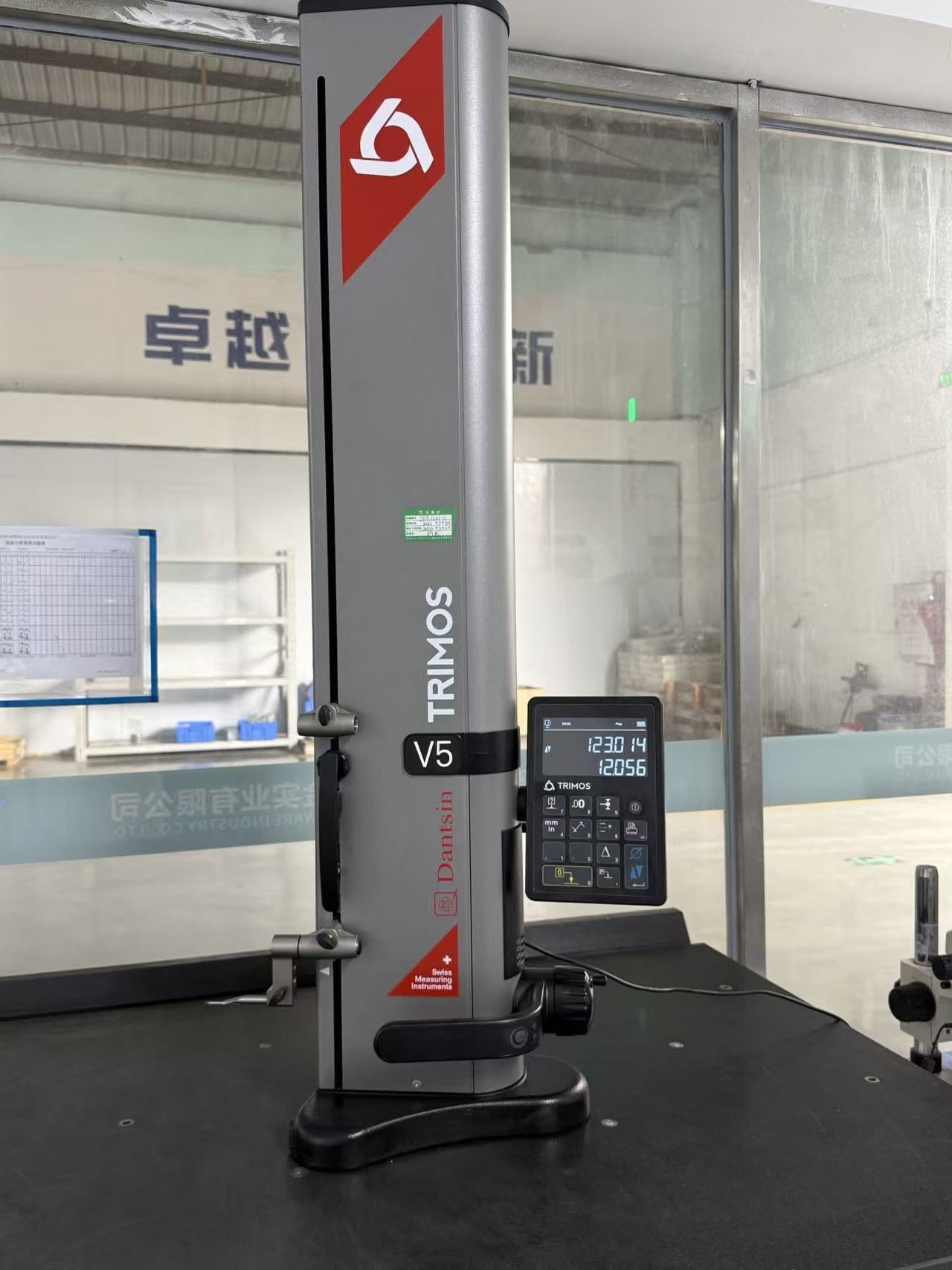
- Automated inspection, in-line CMM probing, vision systems, or SPC sampling
- Lot-level traceability linked to material certificates and QC records
- Scheduled tool change intervals based on measured wear
Cost Curves: What to Expect, prototype to production CNC
| Quantity | Per-Part Cost |
|---|---|
| 1 | USD 280 |
| 10 | USD 75 |
| 100 | USD 28 |
| 500 | USD 19 |
| 2,000 | USD 16 |
| 10,000 | USD 14 |
The biggest jump comes between Qty 1 and Qty 100. After that returns diminish but remain real.
Common Scaling Mistakes, prototype to production CNC
1. Sourcing prototype and production from different suppliers without a transition plan
2. Skipping pilot, going from 5 to 5,000 buries every process risk in the bulk order
3. Tightening tolerances after the design is frozen, requires re-validating capability
4. Underestimating fixture cost, a USD 8,000 dedicated fixture pays back in three production batches
5. Ignoring incoming material variability, a new heat lot that is slightly harder can blow cycle time and tool life
What to Lock Before Volume Production, prototype to production CNC
- Drawing revision under formal change control
- Material specification including heat lot and supplier
- Surface finish including any coatings or post-processes
- Inspection plan and AQL sampling levels
- Forecast for next 6-12 months so the supplier can plan capacity
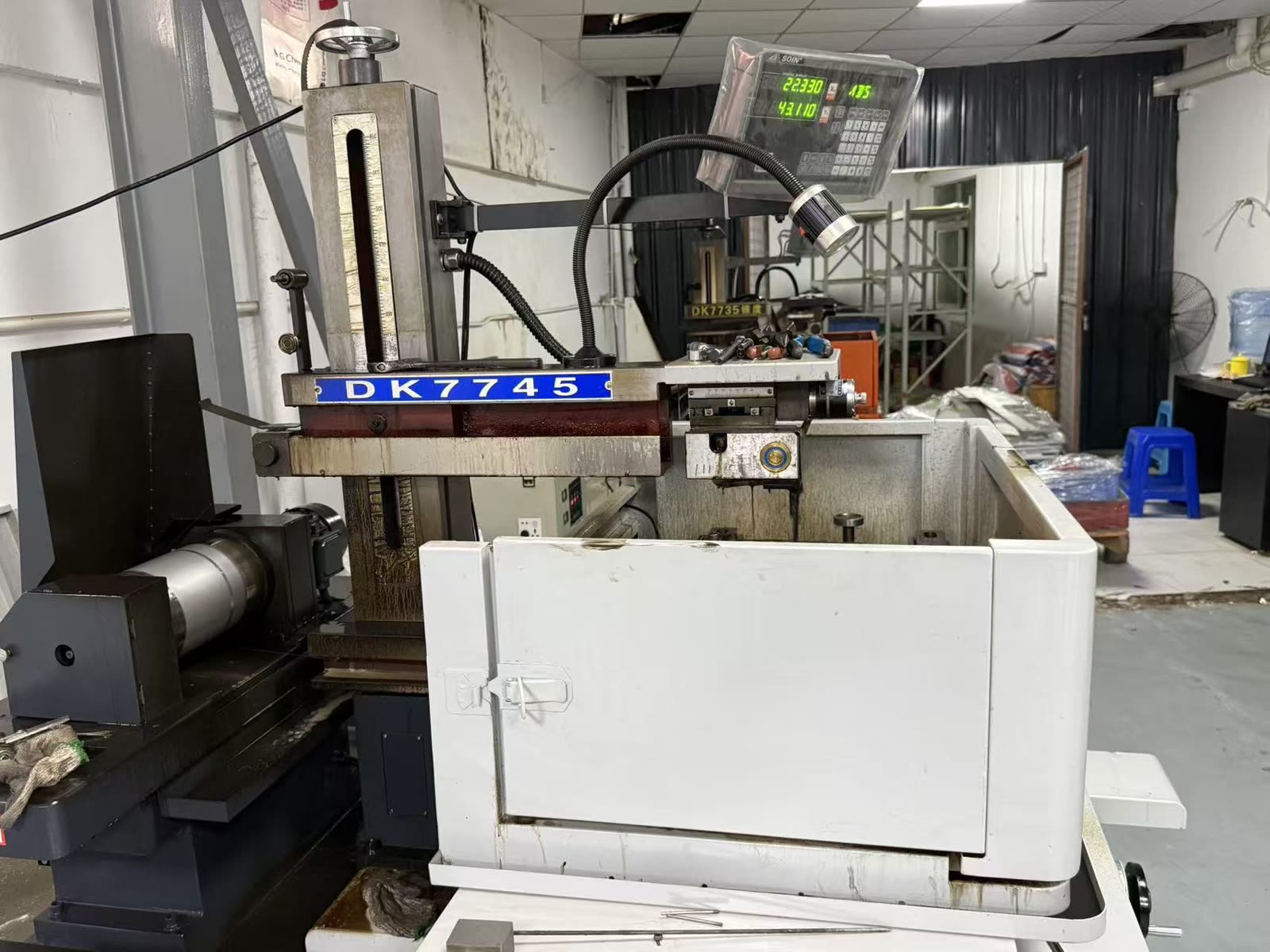
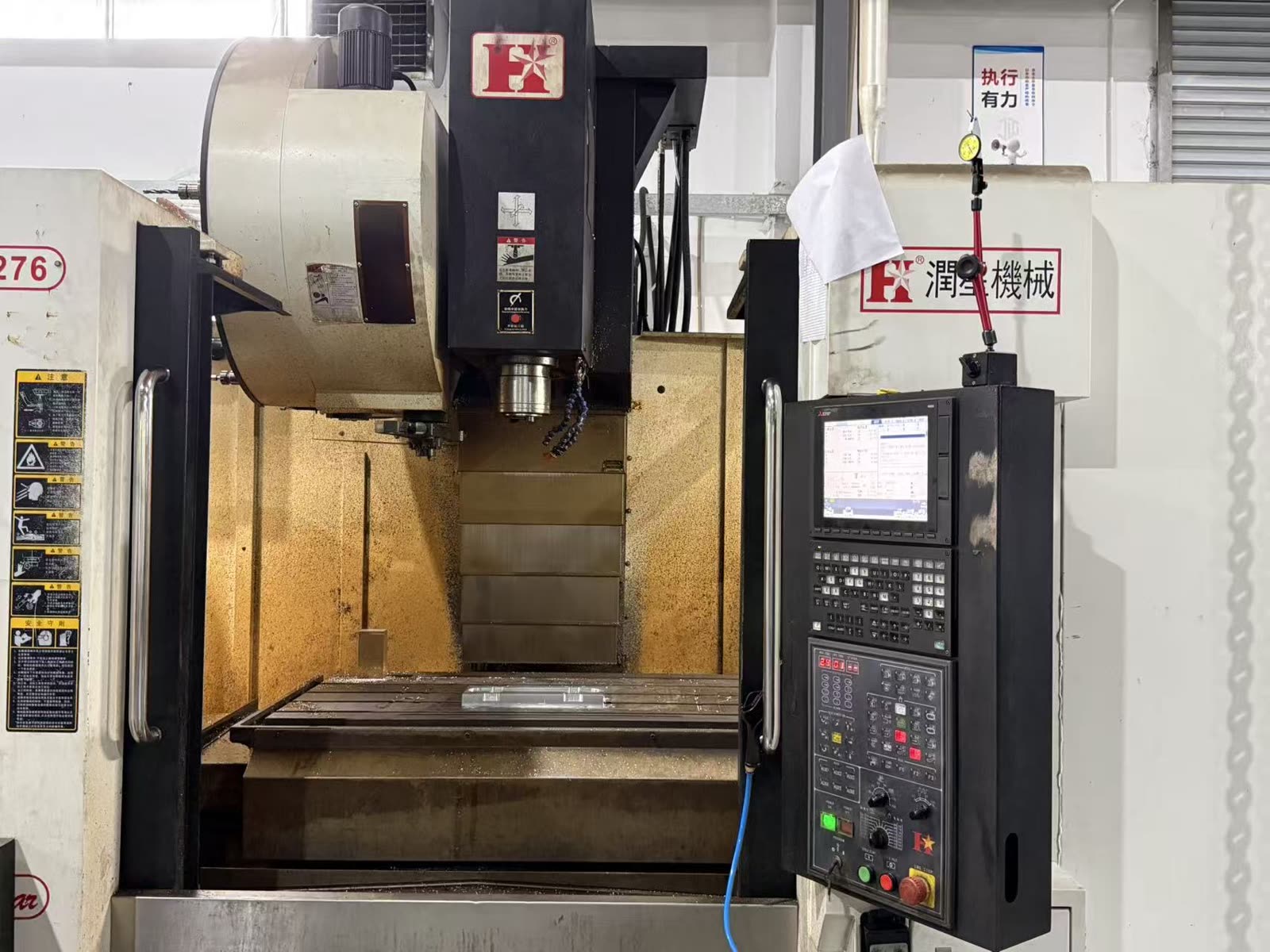
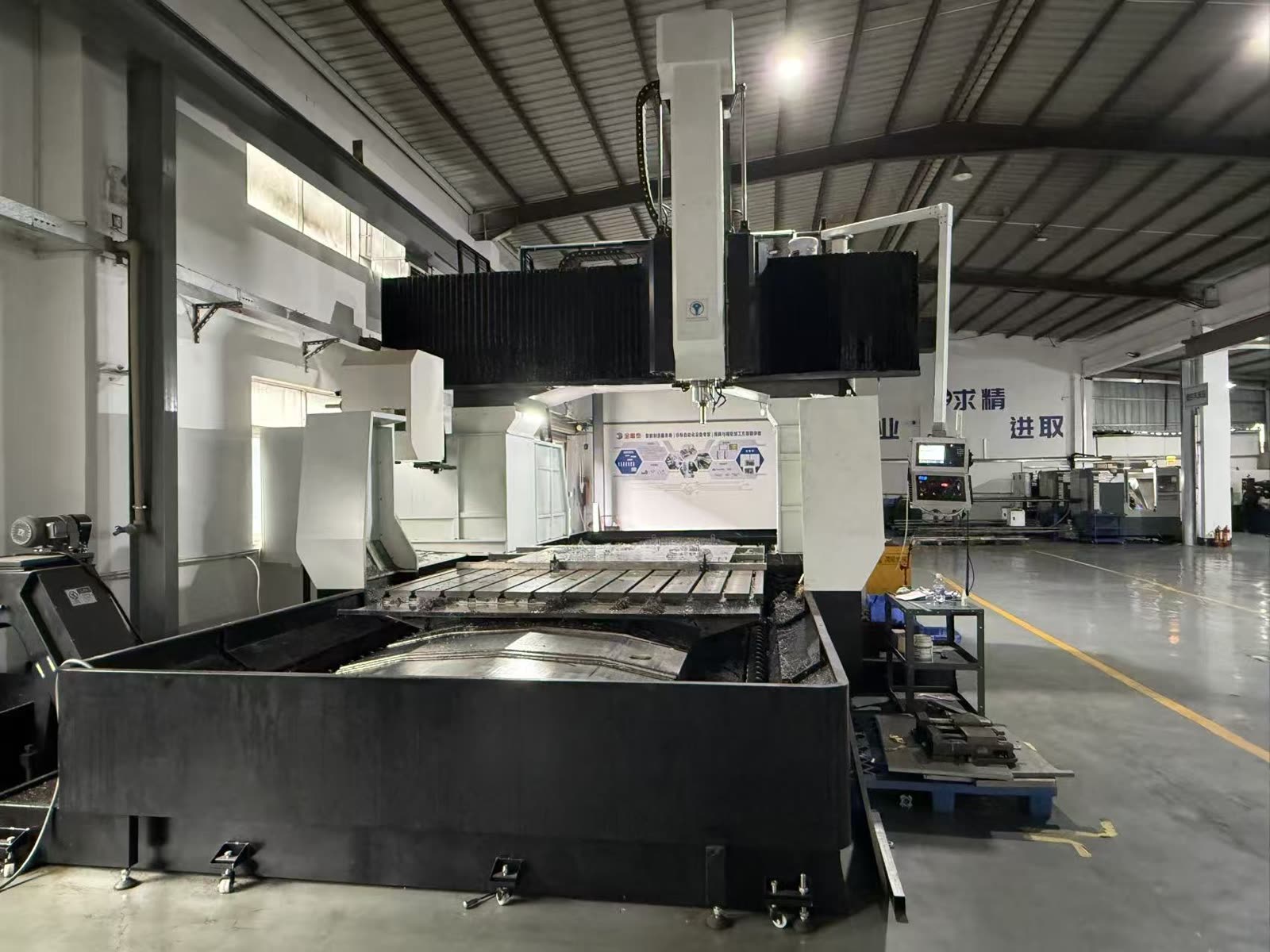
Ginwate CNC supports the full path from prototype to production under one roof, 3-axis through 5-axis milling, turning, Wire and Sinker EDM, in-house surface treatment, ISO 9001 and ISO 13485 quality systems. dedicated production cells for repeat customers. Get a free quote and production roadmap at [ginwatecnc.com](https://ginwatecnc.com/contact).
Related Ginwate Resources, prototype to production CNC
- Manufacturing Capabilities, 200+ machines, ±0.001mm tolerance
- Tolerances Reference
- Surface Finishes Guide
- Materials Catalog
- Get a Free DFM Quote, engineer response in 4 hours
- Case Studies
References: ISO 2768 General Tolerances and CNC on Wikipedia.
FAQs about prototype to production CNC
Is prototype to production CNC right for every project?
No. prototype to production CNC fits some jobs better than others. We help you pick the right spec for your part. Tell us your load, heat, and budget, and we will steer you to the best choice. Most clients save money by picking the right grade up front, not the most premium one.
How fast can Ginwate ship prototype to production CNC parts?
For most prototype to production CNC jobs we quote in four hours. Lead time runs five to ten days for prototypes. Production runs land in two to three weeks. Rush jobs ship in 72 hours when stock is on hand. Send your CAD file to start.
What tolerances can you hold for prototype to production CNC?
Most prototype to production CNC parts hold plus or minus 0.02 mm without trouble. Tighter tols are possible with the right fixturing and a final grind pass. We hit ISO 2768-fH on first try for the bulk of jobs. Spec the tols you need, not tighter than that.
Do you offer DFM review for prototype to production CNC?
Yes. Every quote includes a free DFM review by a senior engineer. We flag hard features, costly tols, and cheaper paths. This pays back fast, most parts get five to twenty percent cheaper after the review. No fee for this service.

Written by
Roger (罗欢)
Senior CNC engineer at Ginwate · 20+ years aerospace & medical machining