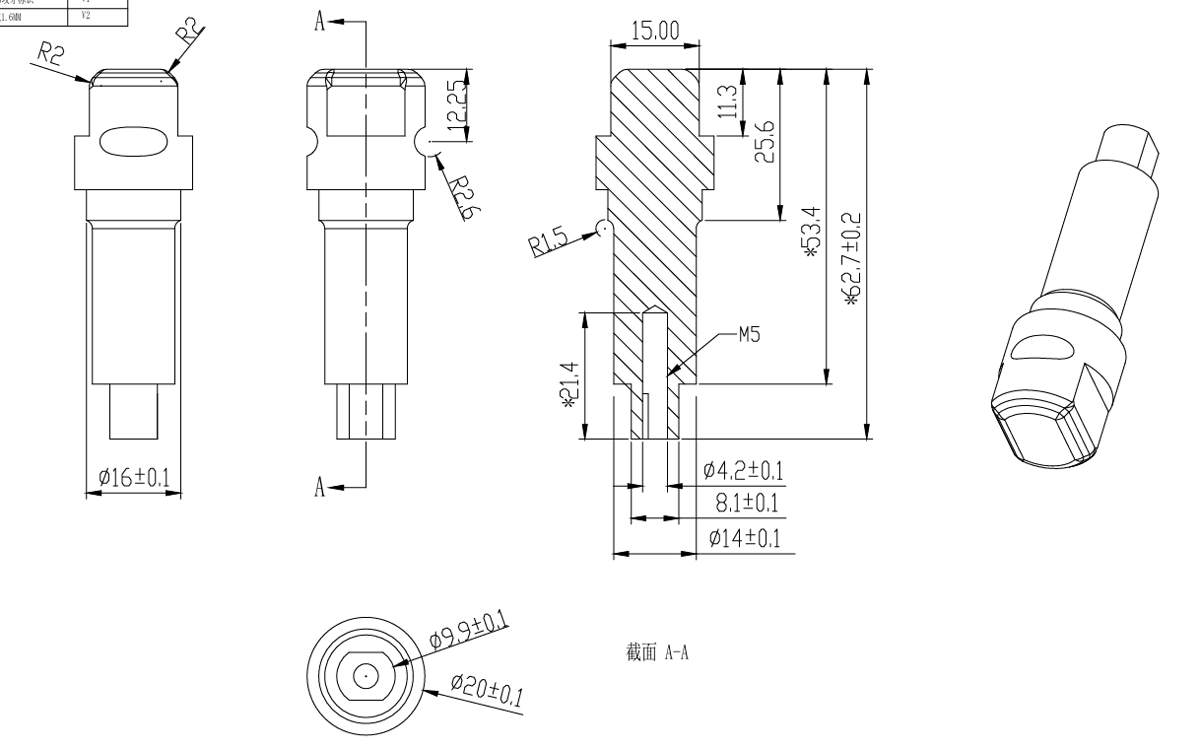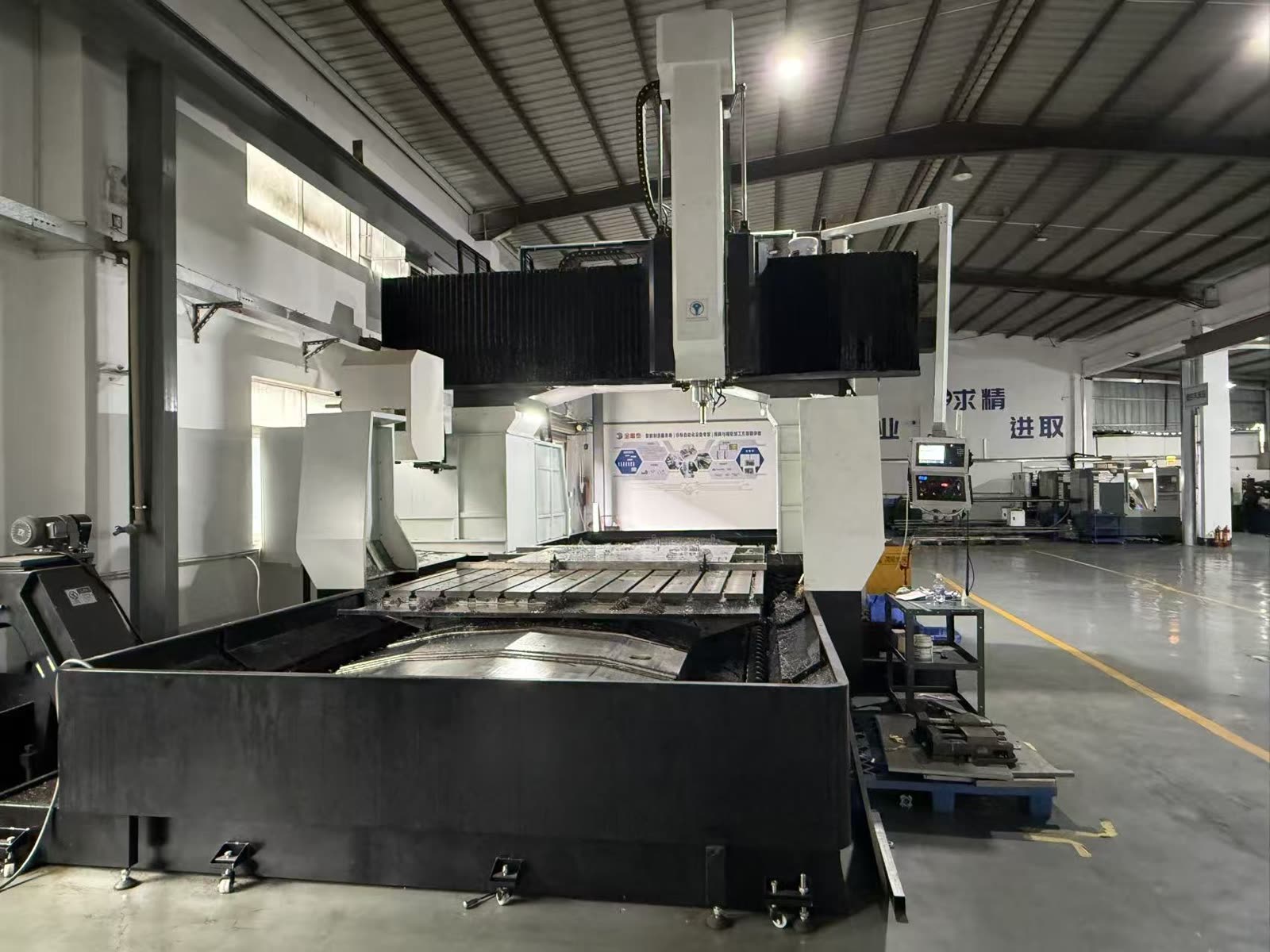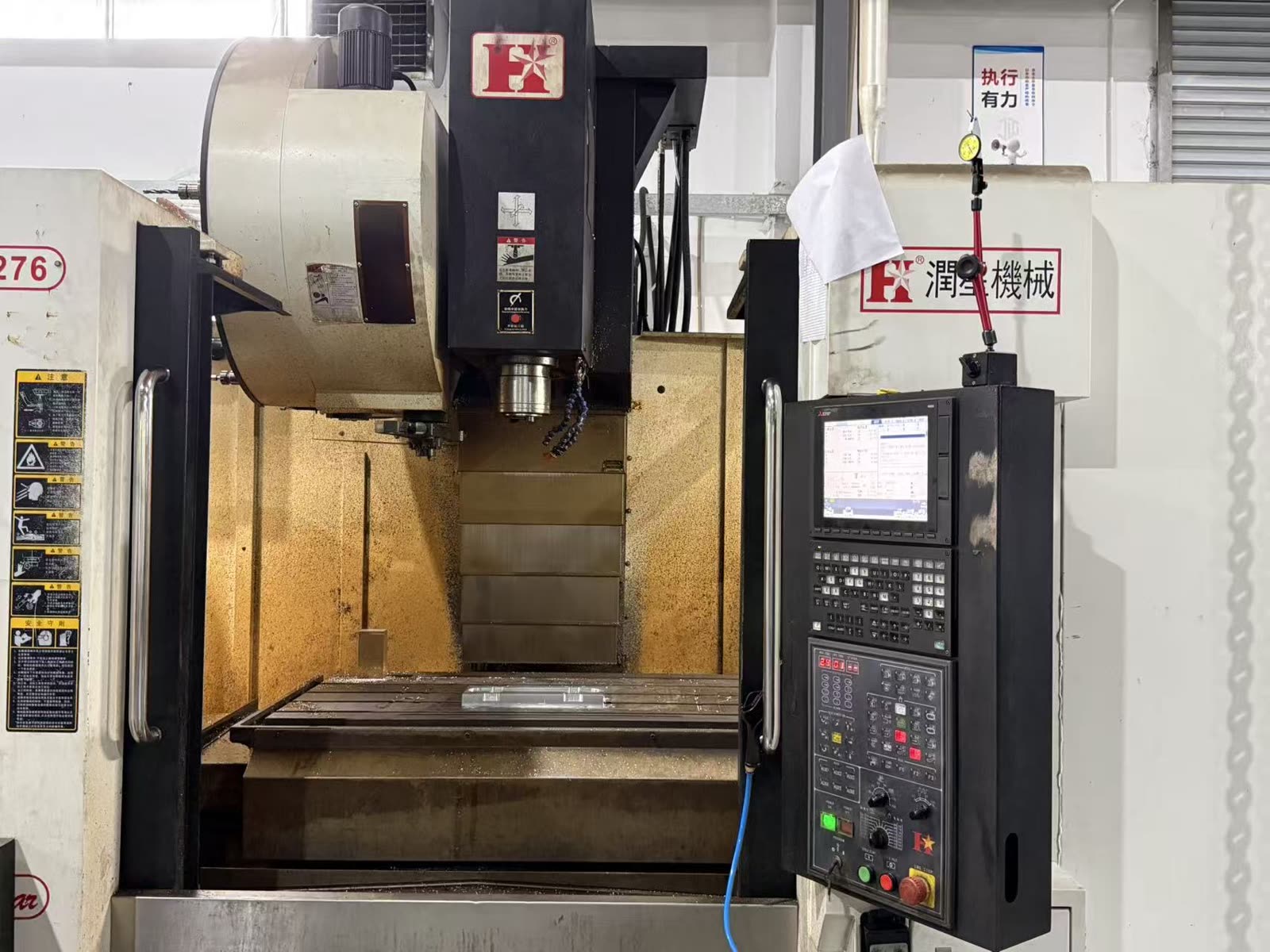
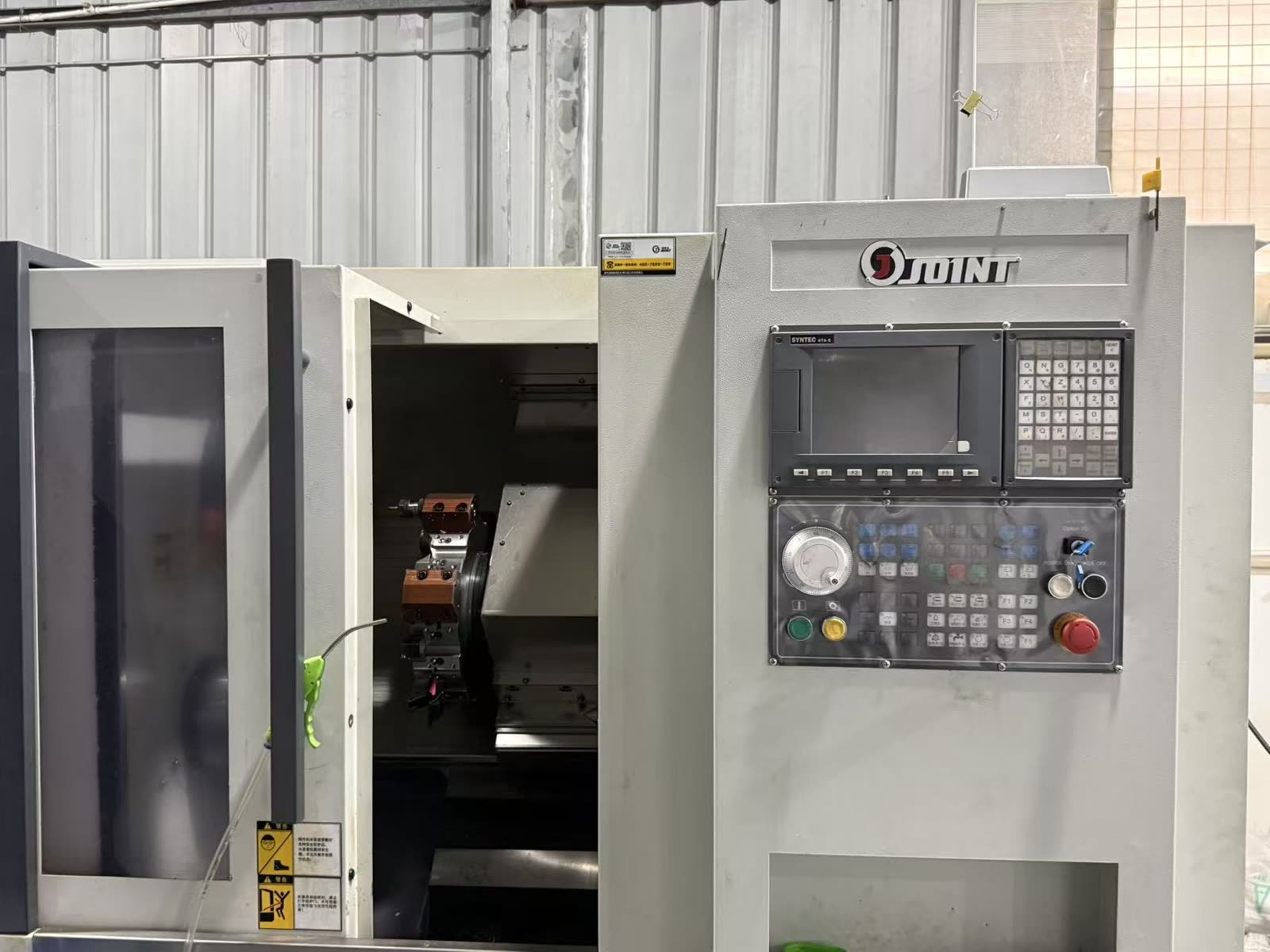
Looking for CNC turning vs milling guidance? You are in the right place. This guide answers the key questions for engineers.
The Fundamental Difference, CNC turning vs milling
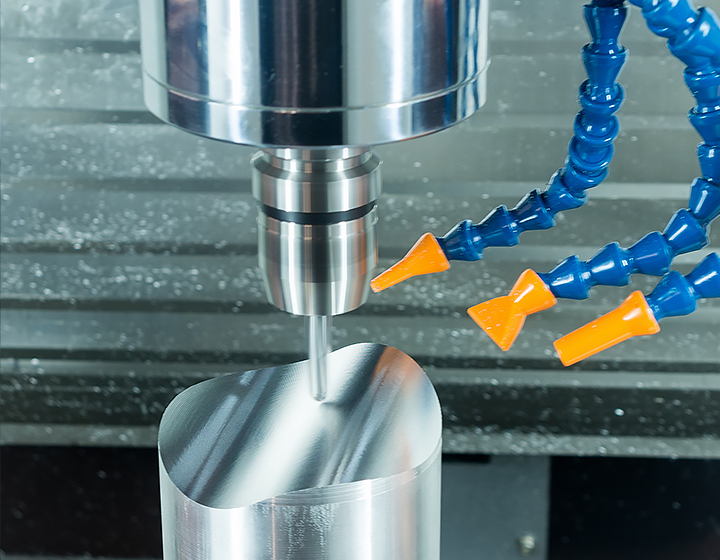
CNC turning and CNC milling are both subtractive manufacturing processes, material is removed from a solid blank, but they work in opposite ways:
In CNC turning (lathe machining), the workpiece rotates while a stationary cutting tool moves along a programmed path. The rotation of the part is what generates the cut. This naturally produces round, cylindrical, or tapered shapes, shafts, bushings, flanges, threads.
In CNC milling, the workpiece is stationary (clamped to the machine table) while the cutting tool rotates and moves in programmed paths. This naturally produces flat surfaces, slots, pockets, holes, and complex 3D contours.
When to Use CNC Turning, CNC turning vs milling
CNC turning is the right process when your part is primarily rotationally symmetric, meaning if you rotate it around its central axis, it looks the same. Common turned parts include:
- Shafts and axles, simple or stepped, with or without keyways
- Bushings and sleeves, cylindrical with bored inner diameter
- Flanges, circular plates with bolt circles
- Threaded components, studs, standoffs, threaded rods, threaded bushings
- Pins, straight, tapered, or grooved
- Valve bodies, cylindrical housings with internal bores and threads
- Nozzles, circular with internal passages
The lathe is extremely efficient at producing round parts. A shaft that would require hours to mill can be turned in minutes. For high-volume production of round parts, turning is almost always the right process.
When to Use CNC Milling, CNC turning vs milling
CNC milling is the right process when your part has prismatic features, flat surfaces, pockets, slots, angled faces, or complex contours. Common milled parts include:
- Plates and brackets, flat or near-flat structural parts
- Enclosures and housings, cubic forms with internal pockets
- Fixtures and jigs, precision flat surfaces with hole patterns
- Gearbox cases, complex housings with many bores and faces
- Mold components, complex curved cavities and cores
- Medical implants, complex anatomical geometry
- Aerospace structures, complex ribbed and pocketed forms
Turn-Mill Combination: The Best of Both, CNC turning vs milling
Modern CNC machines increasingly combine turning and milling in a single platform. A turn-mill center (or "mill-turn" machine) has:
- A rotating spindle that holds and spins the workpiece (like a lathe)
- A tool turret with live (rotating) tools (like a milling machine)
- Often a sub-spindle to machine the back face without re-clamping
This allows a part like a shaft with milled flats, cross-drilled holes. eccentric features to be completed in a single clamping, dramatically reducing setups, lead time. positional error between features.
Turn-mill machining is ideal for:
- Shafts with flats, slots, or cross-holes
- Flanges with bolt circles and eccentric features
- Complex valves and hydraulic components
- Medical cannulas and implant screws
Tolerance Comparison, CNC turning vs milling
Both turning and milling can achieve tight tolerances, but turning has an inherent advantage for diameters and bores:
| Feature | Turning | Milling |
|---|---|---|
| External diameter | ±0.005 mm routine | ±0.01 mm routine |
| Internal bore | ±0.005 mm with boring bar | ±0.01 mm with boring bar |
| Flat surfaces | N/A | ±0.005 mm routine |
| Roundness | 0.002 mm routine | Limited |
| Surface finish (Ra) | 0.4-1.6 μm typical | 0.8-3.2 μm typical |
Turned surfaces tend to have better roundness and lower surface roughness on cylindrical features because the geometry of turning naturally averages out errors over a full rotation.
Cost Comparison, CNC turning vs milling
Turning is generally faster and cheaper for round parts. A simple shaft might take 10 minutes on a lathe and 60 minutes on a mill. This difference becomes very significant at volume.
Milling is necessary for prismatic parts regardless of cost comparison, there is no alternative.
For complex parts that need both round and prismatic features, a turn-mill center produces the best combination of quality and cost by eliminating separate operations.
Choosing the Right Process, CNC turning vs milling
Use CNC turning if:
- The part is primarily round or cylindrical
- High volume of identical round parts
- Tight tolerances on diameters or bores
- Threads are a primary feature
Use CNC milling if:
- The part has flat surfaces, pockets, or complex 3D geometry
- The part is prismatic (box-like)
- Features exist on multiple faces
Use turn-mill if:
- The part has both round and prismatic features
- Multiple setups would otherwise be needed
- High positional accuracy is required between round and flat features
At Ginwate we have dedicated CNC turning centers (Mazak and Haas ST series), machining centers for milling. combined turn-mill centers for complex rotational parts. Upload your drawing and our quoting system will automatically identify the right process.
Related Ginwate Resources, CNC turning vs milling
- Manufacturing Capabilities, 200+ machines, ±0.001mm tolerance
- Tolerances Reference
- Surface Finishes Guide
- Materials Catalog
- Get a Free DFM Quote, engineer response in 4 hours
- Case Studies
For more on CNC turning vs milling, see the linked guides above. Our team has shipped CNC turning vs milling parts for years. Ask us anything.
References: ISO 2768 General Tolerances and CNC on Wikipedia.
FAQs about CNC turning vs milling
Is CNC turning vs milling right for every project?
No. CNC turning vs milling fits some jobs better than others. We help you pick the right spec for your part. Tell us your load, heat, and budget, and we will steer you to the best choice. Most clients save money by picking the right grade up front, not the most premium one.
How fast can Ginwate ship CNC turning vs milling parts?
For most CNC turning vs milling jobs we quote in four hours. Lead time runs five to ten days for prototypes. Production runs land in two to three weeks. Rush jobs ship in 72 hours when stock is on hand. Send your CAD file to start.
What tolerances can you hold for CNC turning vs milling?
Most CNC turning vs milling parts hold plus or minus 0.02 mm without trouble. Tighter tols are possible with the right fixturing and a final grind pass. We hit ISO 2768-fH on first try for the bulk of jobs. Spec the tols you need, not tighter than that.
Do you offer DFM review for CNC turning vs milling?
Yes. Every quote includes a free DFM review by a senior engineer. We flag hard features, costly tols, and cheaper paths. This pays back fast, most parts get five to twenty percent cheaper after the review. No fee for this service.

Written by
Redowan Islam
Senior CNC engineer at Ginwate · 20+ years aerospace & medical machining