Looking for aluminum vs stainless steel CNC machining guidance? You are in the right place. This guide answers the key questions for engineers.
The Short Answer, aluminum vs stainless steel CNC machining
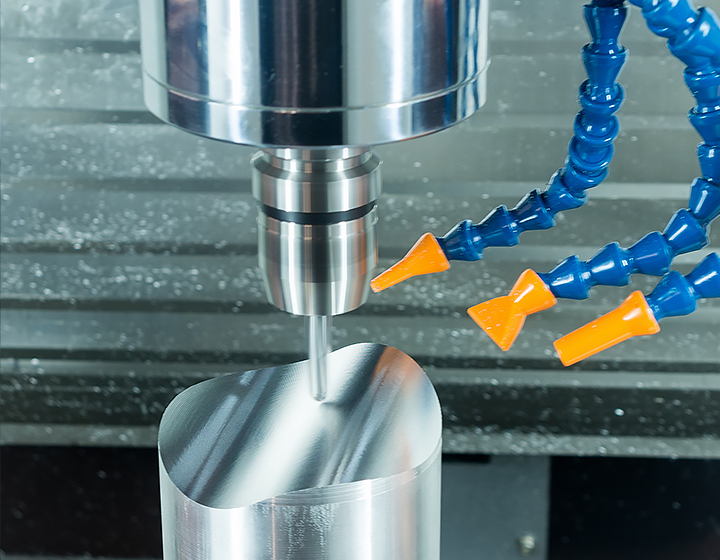
Use aluminum when weight, thermal conductivity, and cost matter. Use stainless steel when strength, corrosion resistance, and operating temperature are the critical constraints. Most applications fit clearly into one camp once you list your requirements.
Aluminum: 6061-T6 vs 7075-T6, aluminum vs stainless steel CNC machining
6061-T6 is the workhorse. Tensile strength ~310 MPa, density 2.70 g/cm³, excellent weldability, and cheap. It machines beautifully, fast feed rates, long tool life, fine surface finish. Use it for housings, brackets, heatsinks, drone frames, and most general engineering parts.
7075-T6 is aerospace-grade. Tensile strength ~572 MPa, stronger than many mild steels, at the same weight. The trade-off: it is harder to weld, more expensive, and slightly more prone to stress corrosion. Use it for structural aircraft components, high-performance bicycle parts, and anything where 6061 is not strong enough.
Stainless Steel: 304 vs 316 vs 17-4 PH, aluminum vs stainless steel CNC machining
304 SS is the standard. Good corrosion resistance, easy to source, moderate machinability. It costs roughly 3-4× more per kg than 6061 aluminum to machine because it work-hardens quickly and is thermally conductive, generating heat at the cutter.
316 SS adds molybdenum for superior chloride resistance, essential for marine, chemical processing, and medical implant applications. Costs slightly more than 304.
17-4 PH (precipitation hardened) combines stainless corrosion resistance with tensile strengths above 1,000 MPa. Used in aerospace fasteners, pump shafts, and surgical instruments. Machined in the annealed state then age-hardened, requires careful planning with your supplier.
Side-by-Side: Key Properties, aluminum vs stainless steel CNC machining
| Property | Al 6061-T6 | SS 304 | SS 316 |
|---|---|---|---|
| Density (g/cm³) | 2.70 | 8.00 | 8.00 |
| Tensile strength (MPa) | 310 | 515 | 485 |
| Corrosion resistance | Good (anodized) | Very good | Excellent |
| Machinability | Excellent | Fair | Fair |
| Relative cost (machined) | 1× | 3-4× | 4-5× |
| Max service temp (°C) | 175 | 870 | 870 |
When the Answer Is Neither, aluminum vs stainless steel CNC machining
If you need weight comparable to aluminum but strength above 7075, consider titanium Ti-6Al-4V. If you need extreme heat resistance, Inconel 625. Ginwate CNC machines all of these, request a material consultation when you submit your RFQ.
Surface Finishing Considerations
Aluminum accepts anodizing (Type II or Type III hard anodize) for dramatically improved hardness and corrosion resistance. Stainless is typically passivated or electropolished. These post-processes affect dimensional tolerances, always discuss with your machinist before finalizing drawings.
Related Ginwate Resources
- Aluminum CNC Machining, 6061, 7075, 2024 grades & anodizing
- Stainless Steel CNC Machining, 304,316L, 17-4 PH
- Titanium Machining, Grade 2 & Grade 5 for aerospace/medical
- Material Selector Tool, find the right alloy for your application
- Get a Material-Specific Quote
References: ISO 2768 General Tolerances and CNC on Wikipedia.
FAQs about aluminum vs stainless steel CNC machining
Is aluminum vs stainless steel CNC machining right for every project?
No. aluminum vs stainless steel CNC machining fits some jobs better than others. We help you pick the right spec for your part. Tell us your load, heat, and budget, and we will steer you to the best choice. Most clients save money by picking the right grade up front, not the most premium one.
How fast can Ginwate ship aluminum vs stainless steel CNC machining parts?
For most aluminum vs stainless steel CNC machining jobs we quote in four hours. Lead time runs five to ten days for prototypes. Production runs land in two to three weeks. Rush jobs ship in 72 hours when stock is on hand. Send your CAD file to start.
What tolerances can you hold for aluminum vs stainless steel CNC machining?
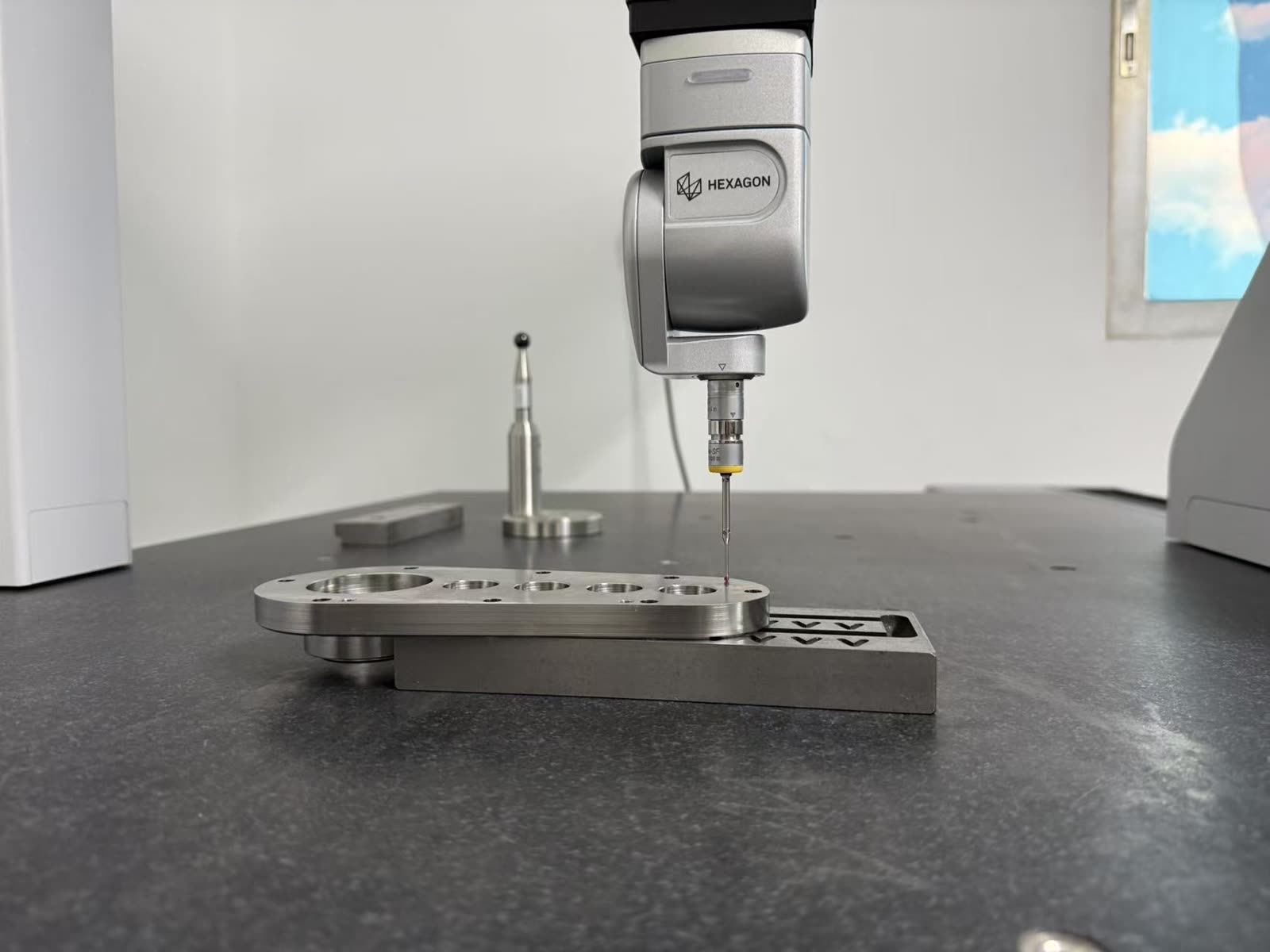
Most aluminum vs stainless steel CNC machining parts hold plus or minus 0.02 mm without trouble. Tighter tols are possible with the right fixturing and a final grind pass. We hit ISO 2768-fH on first try for the bulk of jobs. Spec the tols you need, not tighter than that.
Do you offer DFM review for aluminum vs stainless steel CNC machining?
Yes. Every quote includes a free DFM review by a senior engineer. We flag hard features, costly tols, and cheaper paths. This pays back fast, most parts get five to twenty percent cheaper after the review. No fee for this service.
Key Takeaways on aluminum vs stainless steel CNC machining
The right plastic or metal pick saves time and money. aluminum vs stainless steel CNC machining is one piece of the puzzle. Match the spec to the load, heat, and chemicals your part will see. Pick simple geometry where you can. Spec tight tols only where they matter. We are here to help at every step.
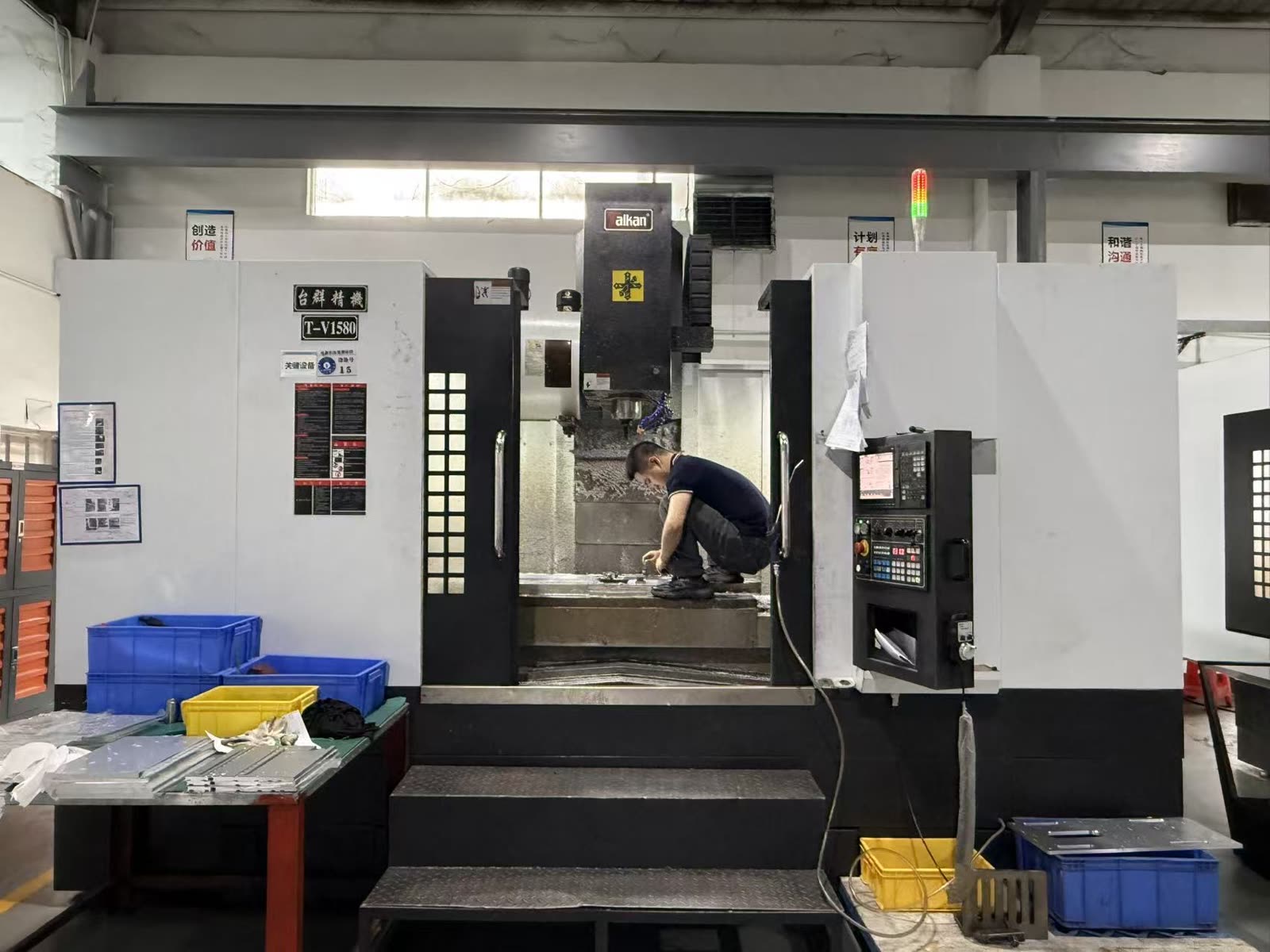
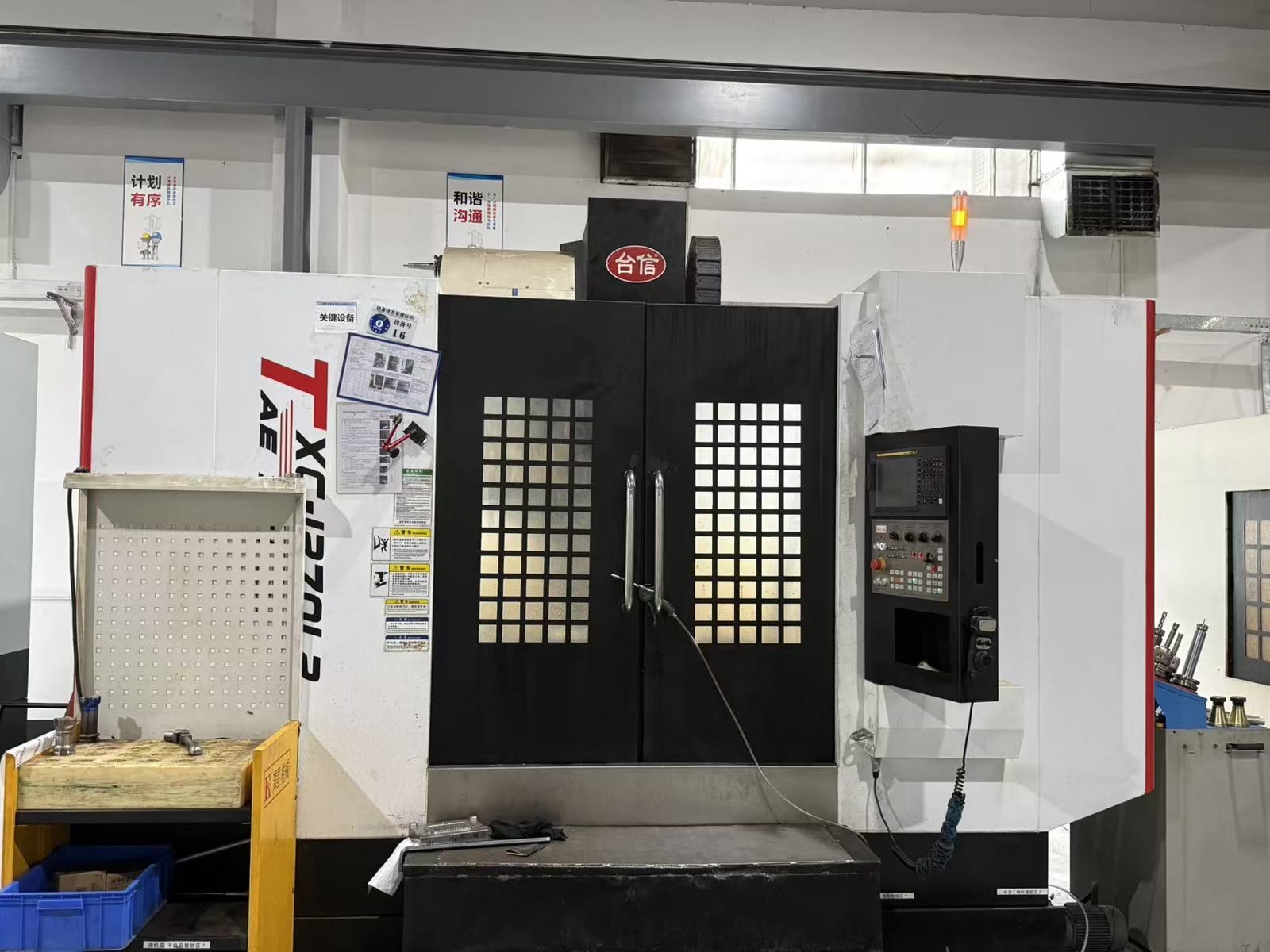
Ginwate has shipped aluminum vs stainless steel CNC machining parts for hundreds of clients. We work with start-ups and Fortune 500 teams. Our shop runs eight CNC mills and four lathes. We hit lead times of five to ten days for most jobs. Quality is checked at every stage. We back our work with a full quality report.
Want to learn more about aluminum vs stainless steel CNC machining? Browse our other guides above. Or send your part files for a free quote. We will get back to you in four hours.

Written by
Redowan Islam
Senior CNC engineer at Ginwate · 20+ years aerospace & medical machining