Looking for titanium CNC machining Grade 5 Grade 2 guidance? You are in the right place. This guide answers the key questions for engineers.
Why Titanium?, titanium CNC machining Grade 5 Grade 2
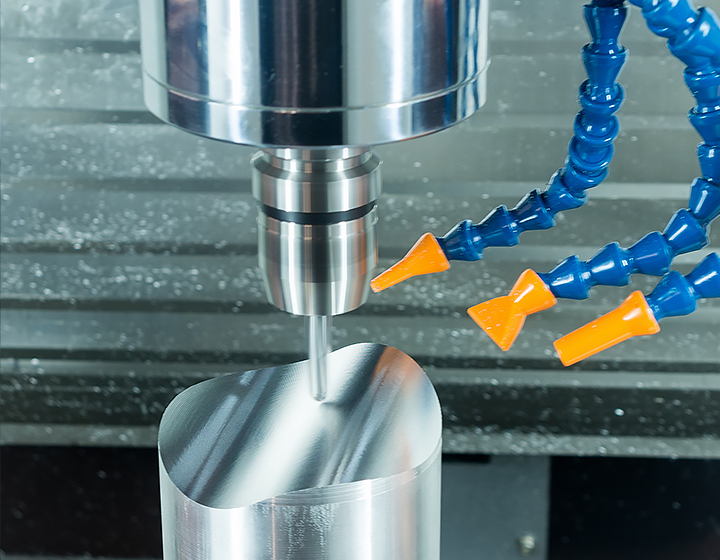
Titanium is the material of choice when you need the highest possible strength-to-weight ratio combined with excellent corrosion resistance. It is about 45% lighter than steel at 60% of the strength, a combination no other structural metal approaches. It is also biocompatible, making it the dominant material for medical implants.
The trade-off is machinability. Titanium is one of the most difficult metals to machine, with properties that rapidly wear cutting tools and generate dangerous heat. Understanding these challenges is essential before specifying titanium for a machined component.
Grade 2 vs Grade 5: The Critical Distinction, titanium CNC machining Grade 5 Grade 2
Commercially pure (CP) titanium and titanium alloys cover a wide range of grades. For CNC machined parts, two dominate:
Grade 2 (CP Titanium)
- Composition: 99.2% pure titanium
- Tensile strength: 345 MPa
- Yield strength: 275 MPa
- Density: 4.51 g/cc
- Biocompatibility: Excellent (ASTM F67 medical grade)
- Weldability: Excellent
- Machinability: Moderate difficulty
Grade 2 is the workhorse of pure titanium. It combines good corrosion resistance, excellent biocompatibility, and adequate strength for many structural applications. It is widely used in chemical processing equipment, heat exchangers, marine hardware. medical implants where strength is secondary to corrosion resistance and biocompatibility.
Grade 5 (Ti-6Al-4V)
- Composition: 90% Ti, 6% Al, 4% V
- Tensile strength: 950 MPa
- Yield strength: 880 MPa
- Density: 4.43 g/cc
- Biocompatibility: Good (ASTM F136 ELI for medical)
- Weldability: Good
- Machinability: High difficulty
Grade 5 is by far the most widely used titanium alloy, accounting for roughly half of all titanium used globally. The addition of aluminum and vanadium dramatically increases strength, Grade 5 is nearly three times stronger than Grade 2 and roughly equivalent in tensile strength to many steels, at less than half the weight. It is the material of choice for aerospace structures, high-performance automotive and motorsport components, and structural medical implants.
Why Titanium Is Difficult to Machine, titanium CNC machining Grade 5 Grade 2
Several properties combine to make titanium challenging:
Low thermal conductivity, titanium conducts heat poorly (about one-seventh of aluminum). Heat generated at the cutting edge cannot dissipate into the workpiece, it accumulates in the cutting tool, accelerating wear and causing built-up edge.
High reactivity at elevated temperature, titanium forms a strong bond with the cutting tool material at high temperatures (a phenomenon called "cold welding" or adhesion). This causes material to adhere to the tool, changing the cutting geometry and eventually fracturing the tool edge.
Work hardening, titanium work-hardens during cutting. A dull tool, rubbing rather than cutting, produces a hardened surface layer that makes the next pass even more difficult.
Spring-back, titanium has a relatively high elastic modulus ratio to yield strength, causing parts to spring back after cutting. Thin walls and features require careful fixturing and sequential roughing/finishing passes.
Tooling and Cutting Parameters for Titanium, titanium CNC machining Grade 5 Grade 2
Successful titanium machining requires:
Cutting speed: much lower than steel. For Grade 5, 40-60 m/min is typical for carbide tools. Exceeding this rapidly degrades tool life.
Feed rate: generous. Use the maximum feed rate the tool and part can tolerate. A low feed rate with a high spindle speed is the worst possible combination for titanium, it causes rubbing and work hardening.
Flood coolant: essential. High-pressure coolant directed precisely at the cutting zone is critical for controlling temperature and flushing chips. Dry machining titanium is not advisable.
Tool material: carbide minimum. Solid carbide end mills with TiAlN or AlTiN PVD coating are standard. Coatings that contain titanium (TiN, TiCN) are not recommended, they can metallurgically react with the workpiece.
Sharp tools, frequently changed. Titanium is punishing on dull tools. Establish a tool life limit by the number of parts (not hours) and adhere to it rigorously.
Surface Finishing Titanium, titanium CNC machining Grade 5 Grade 2
Titanium anodizes differently from aluminum. Titanium anodizing (called Type II or decorative anodizing) produces a thin oxide layer whose color depends on layer thickness, controlled by voltage. Colors range from gold (at low voltage) through blue, purple, green, and black as voltage increases. No dye is used, the color is structural interference color.
This is widely used for medical implants (color-coded by size), aerospace hardware. premium consumer products like watch cases and cycling components.
For medical applications, Grade 5 ELI (Extra Low Interstitial) per ASTM F136 is specified. This grade has tighter limits on oxygen and iron content and is specifically validated for implantable applications.
Applications by Grade, titanium CNC machining Grade 5 Grade 2
Grade 2 typical applications:
- Chemical processing vessels and heat exchangers
- Marine hardware and offshore components
- Dental implant abutments (due to superior biocompatibility)
- Piping and fittings in corrosive environments
Grade 5 typical applications:
- Aerospace structural components and fasteners
- Aircraft engine components (fan blades, compressor discs)
- Motorsport suspension and drivetrain components
- Orthopedic implants (hip stems, knee implants)
- Bicycle frames and cycling components
- High-end watch cases and bracelets
Ginwate Titanium Capability, titanium CNC machining Grade 5 Grade 2
We regularly machine both Grade 2 and Grade 5 titanium for aerospace, medical, and industrial customers. Our specific titanium capabilities include:
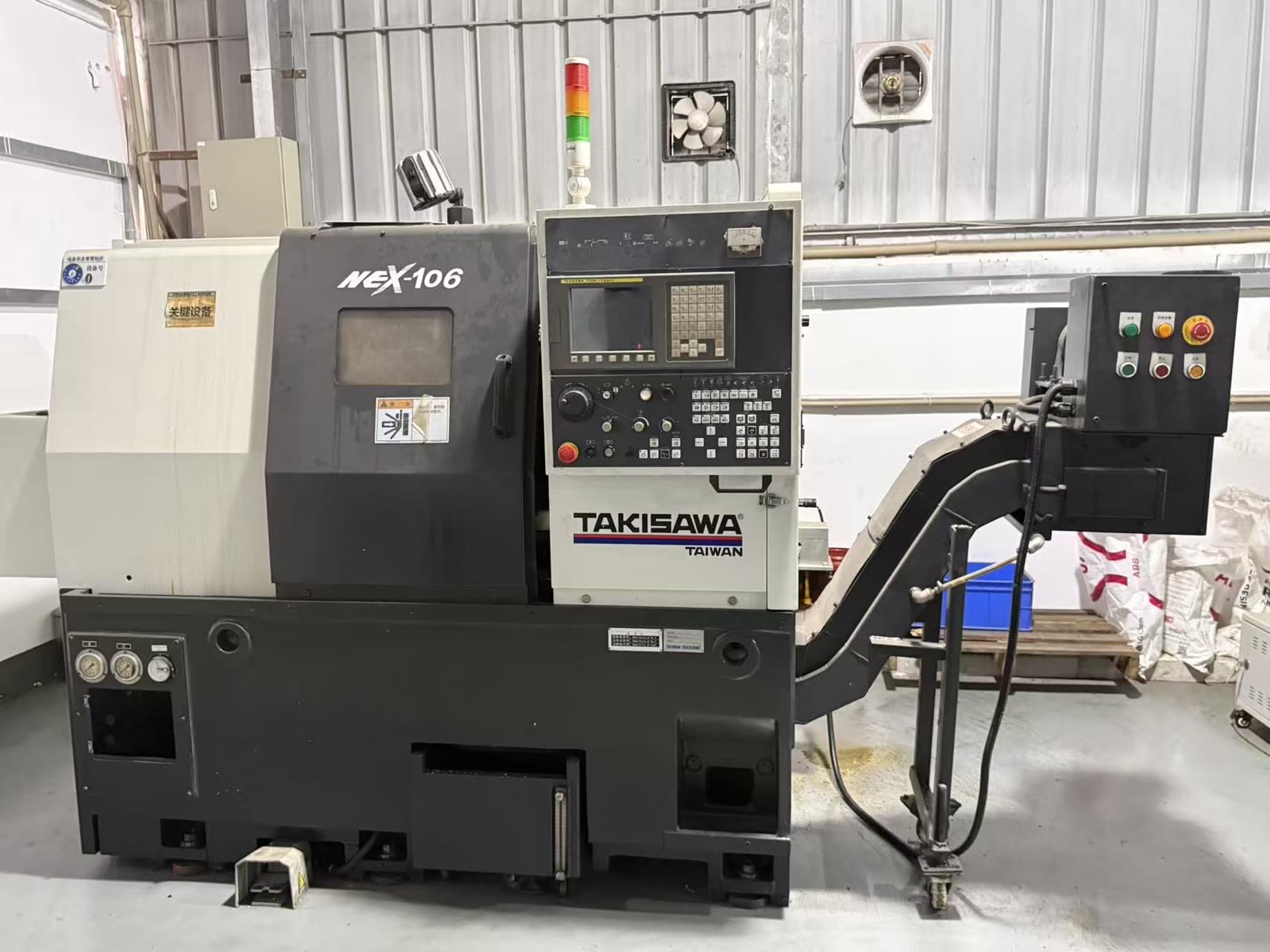
- Solid carbide tooling optimized for titanium with high-pressure coolant
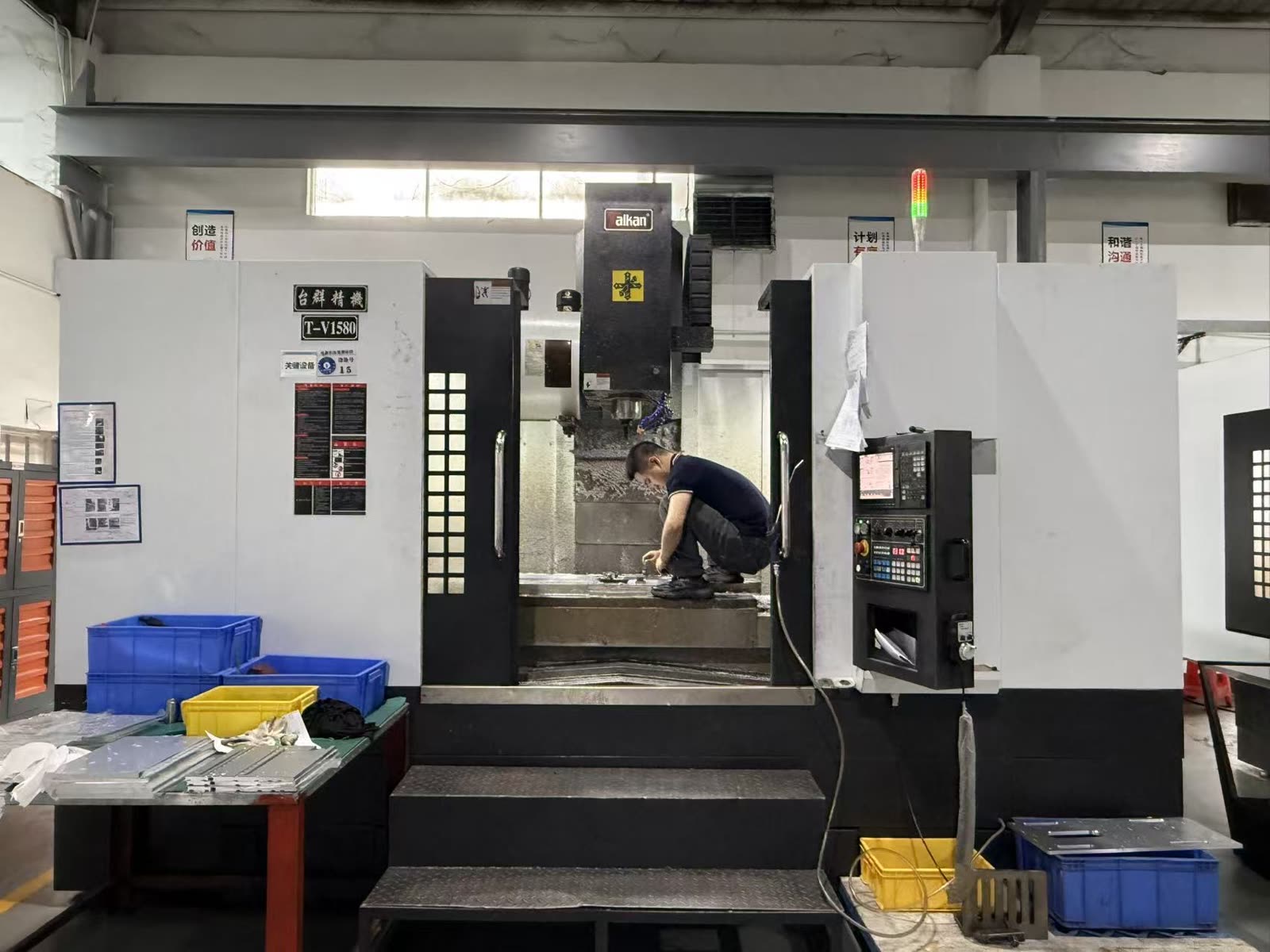
- 5-axis machining for complex aerospace and medical geometry
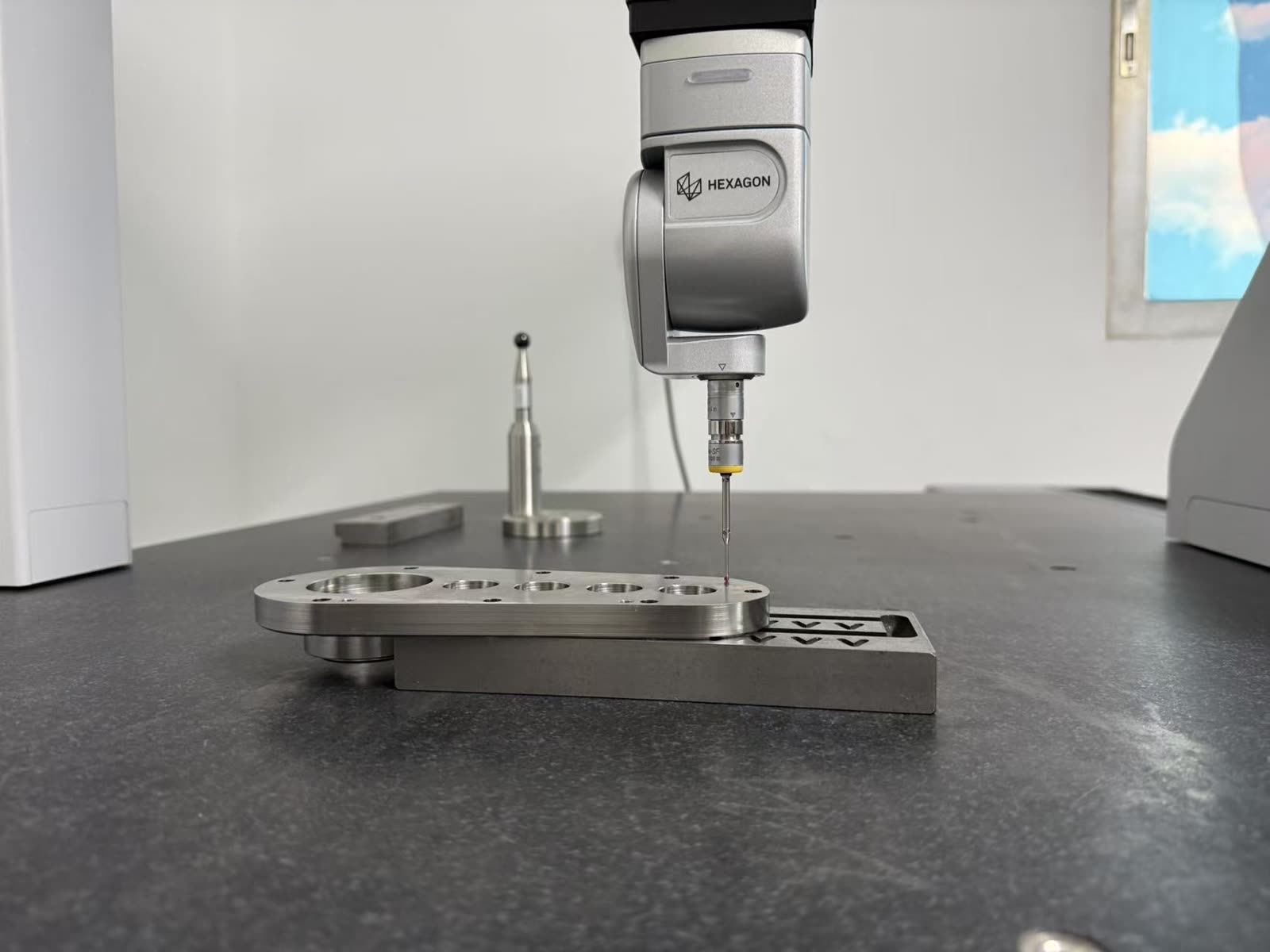
- Zeiss CMM inspection with full dimensional reports
- Material certification (mill certificates) for all titanium stock
- Passivation and anodizing in-house
- ASTM F136 ELI Grade 5 material available for medical projects
Titanium projects require more careful planning than standard aluminum or steel work. Contact our engineering team before submitting a quote for complex titanium parts, we will advise on geometry, tolerances. finishing to ensure the best outcome.
Related Ginwate Resources, titanium CNC machining Grade 5 Grade 2
- Manufacturing Capabilities, 200+ machines, ±0.001mm tolerance
- Tolerances Reference
- Surface Finishes Guide
- Materials Catalog
- Get a Free DFM Quote, engineer response in 4 hours
- Case Studies
For more on titanium CNC machining Grade 5 Grade 2, see the linked guides above. Our team has shipped titanium CNC machining Grade 5 Grade 2 parts for years. Ask us anything.
References: ISO 2768 General Tolerances and CNC on Wikipedia.
For more on titanium CNC machining Grade 5 Grade 2, see the linked guides above. Our team has shipped titanium CNC machining Grade 5 Grade 2 parts for years. Ask us anything.

Written by
Redowan Islam
Senior CNC engineer at Ginwate · 20+ years aerospace & medical machining