Looking for aluminum 6061 vs 7075 CNC machining guidance? You are in the right place. This guide answers the key questions for engineers.
Why Aluminum is the Go-To CNC Material, aluminum 6061 vs 7075 CNC machining
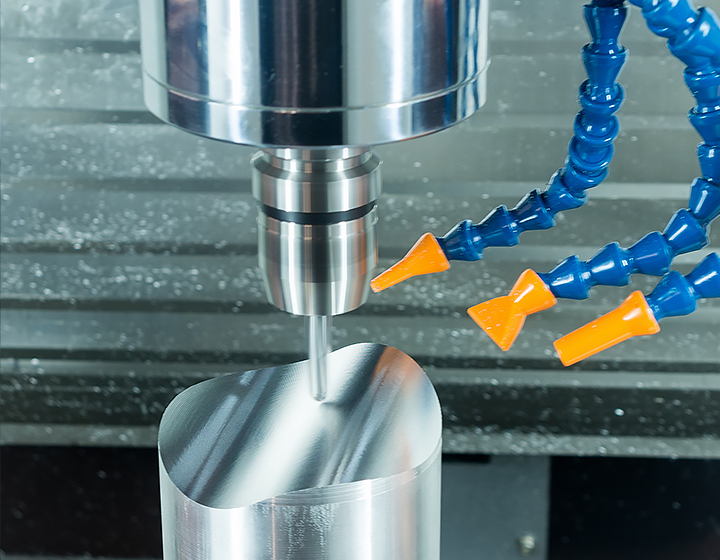
Aluminum accounts for the majority of CNC machined parts worldwide, and for good reason. It machines fast, produces excellent surface finish, is lightweight, and anodizes beautifully. Two alloys dominate: 6061-T6 and 7075-T6. Choosing between them affects cost, strength, corrosion resistance, and weldability.
Side-by-Side Comparison, aluminum 6061 vs 7075 CNC machining
| Property | 6061-T6 | 7075-T6 |
|---|---|---|
| Tensile strength | 310 MPa | 572 MPa |
| Yield strength | 276 MPa | 503 MPa |
| Density | 2.70 g/cc | 2.81 g/cc |
| Machinability | Excellent | Very good |
| Weldability | Excellent | Poor |
| Corrosion resistance | Very good | Moderate |
| Anodizing quality | Excellent | Good |
| Relative cost | 1× | 1.5-2× |
Aluminum 6061-T6: The Workhorse, aluminum 6061 vs 7075 CNC machining
6061 is a magnesium-silicon alloy. It is the default choice for most machined components, structural brackets, enclosures, frames, fittings, and general-purpose housings. Here is why engineers reach for it first:
Machinability, 6061 machines cleanly and quickly. Tool life is long and chip evacuation is easy. This directly translates to lower machining cost per part.
Weldability, 6061 can be MIG and TIG welded without significant strength loss. This matters for fabricated assemblies that combine machining and welding.
Corrosion resistance, the natural oxide layer on 6061 is thick and stable. In most environments, including outdoor and marine, 6061 performs well with anodizing.
Anodizing quality, 6061 produces a clear, consistent anodized layer. Dyes take evenly, making it the preferred choice when cosmetic appearance matters.
Aluminum 7075-T6: The Performance Alloy, aluminum 6061 vs 7075 CNC machining
7075 is a zinc-based alloy originally developed for aircraft structural components. Its tensile strength rivals many mild steels, yet it is one-third the weight. Use 7075 when:
High strength-to-weight ratio is critical, aerospace brackets, bicycle components, firearm components, high-load structural parts. At 572 MPa tensile strength, 7075 is nearly twice as strong as 6061.
Fatigue resistance matters, 7075 has superior fatigue performance under cyclic loading, important for components that flex repeatedly.
Section size is constrained, when a part must be small and light but carry significant load, 7075 allows thinner walls and smaller cross-sections.
7075 Limitations to Know, aluminum 6061 vs 7075 CNC machining
- Poor weldability, 7075 is susceptible to hot cracking during welding. Avoid designs that require welding.
- Lower corrosion resistance, the zinc content makes 7075 more susceptible to galvanic and stress corrosion. Always anodize or coat 7075 parts used in harsh environments.
- Higher cost, raw material and slightly slower machining (harder alloy, more tool wear) make 7075 roughly 1.5-2× the cost of equivalent 6061 parts.
Other Aluminum Alloys Worth Knowing, aluminum 6061 vs 7075 CNC machining
While 6061 and 7075 dominate, two others are worth mentioning:
2024-T3, similar strength to 7075 but better fatigue performance. Common in aerospace skin and fuselage applications. Even poorer corrosion resistance than 7075, almost always clad or anodized.
6082-T6, popular in Europe as a 6061 equivalent. Slightly higher strength than 6061, excellent weldability. Good for structural extrusions and machined structural components.
Which Should You Choose?, aluminum 6061 vs 7075 CNC machining
Choose 6061 when:
- Budget is a consideration
- The part will be welded
- Cosmetic anodizing is required
- Corrosion resistance is important
- Strength requirements are moderate
Choose 7075 when:
- Maximum strength-to-weight ratio is needed
- The part operates under high or cyclic load
- Section thickness must be minimized
- The part is in the aerospace, defense, or performance sports sector
Getting a Quote, aluminum 6061 vs 7075 CNC machining
Both 6061 and 7075 are standard stock materials at Ginwate CNC. We maintain bar, plate, and billet in both alloys in a wide range of sizes. Upload your drawing for an instant quote, our system will show you pricing for both alloys side by side so you can make an informed decision.
Related Ginwate Resources
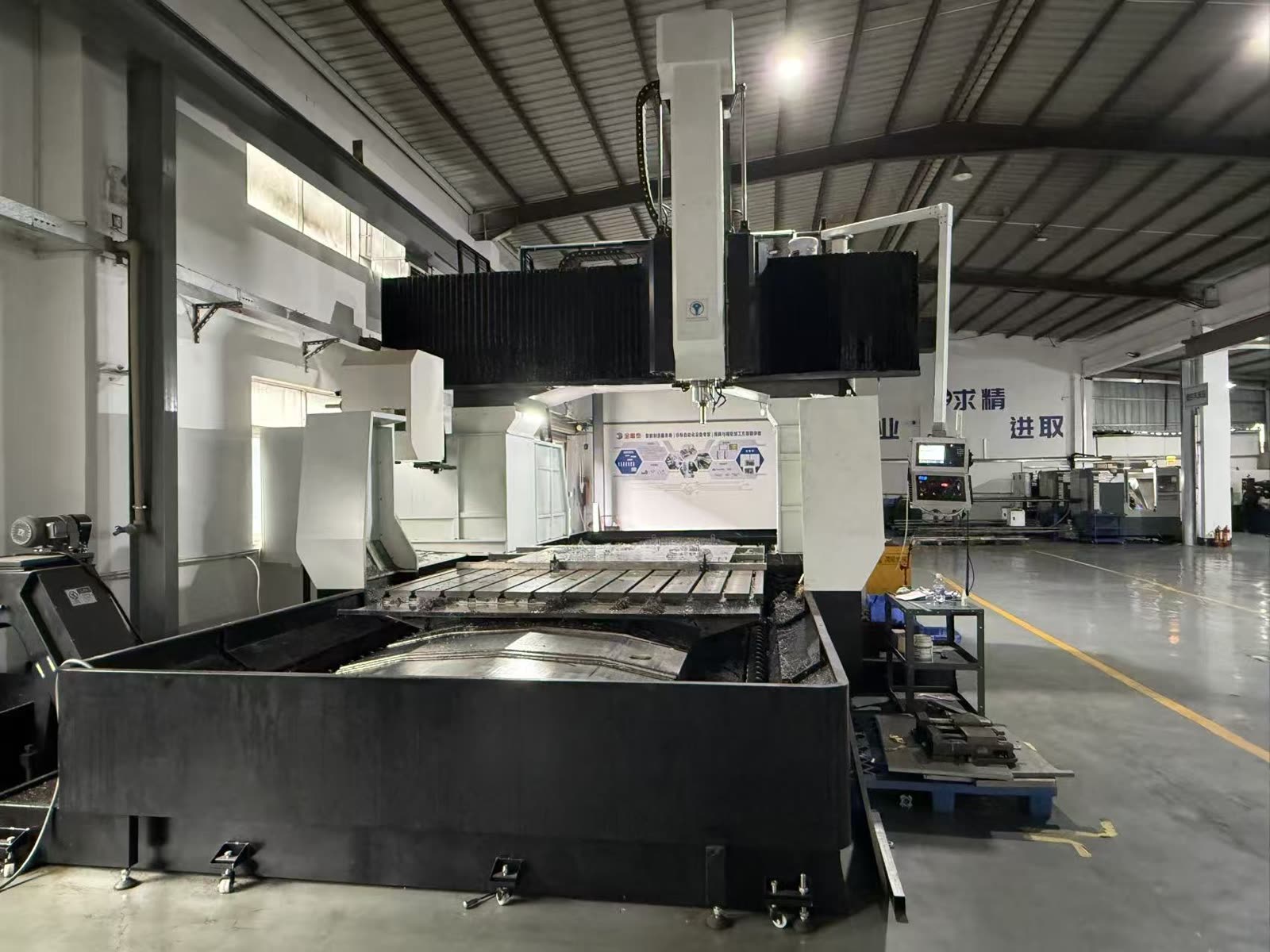
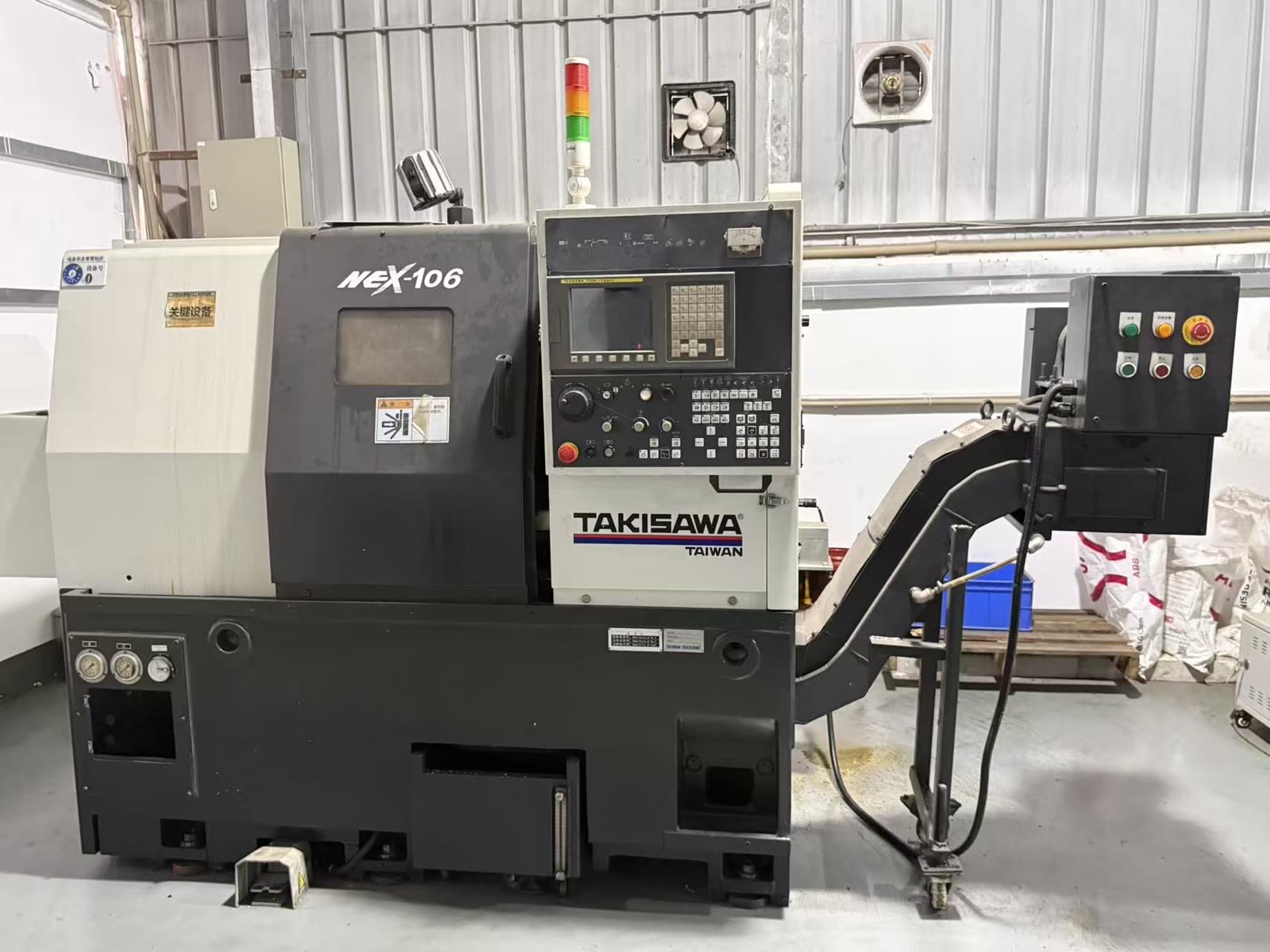
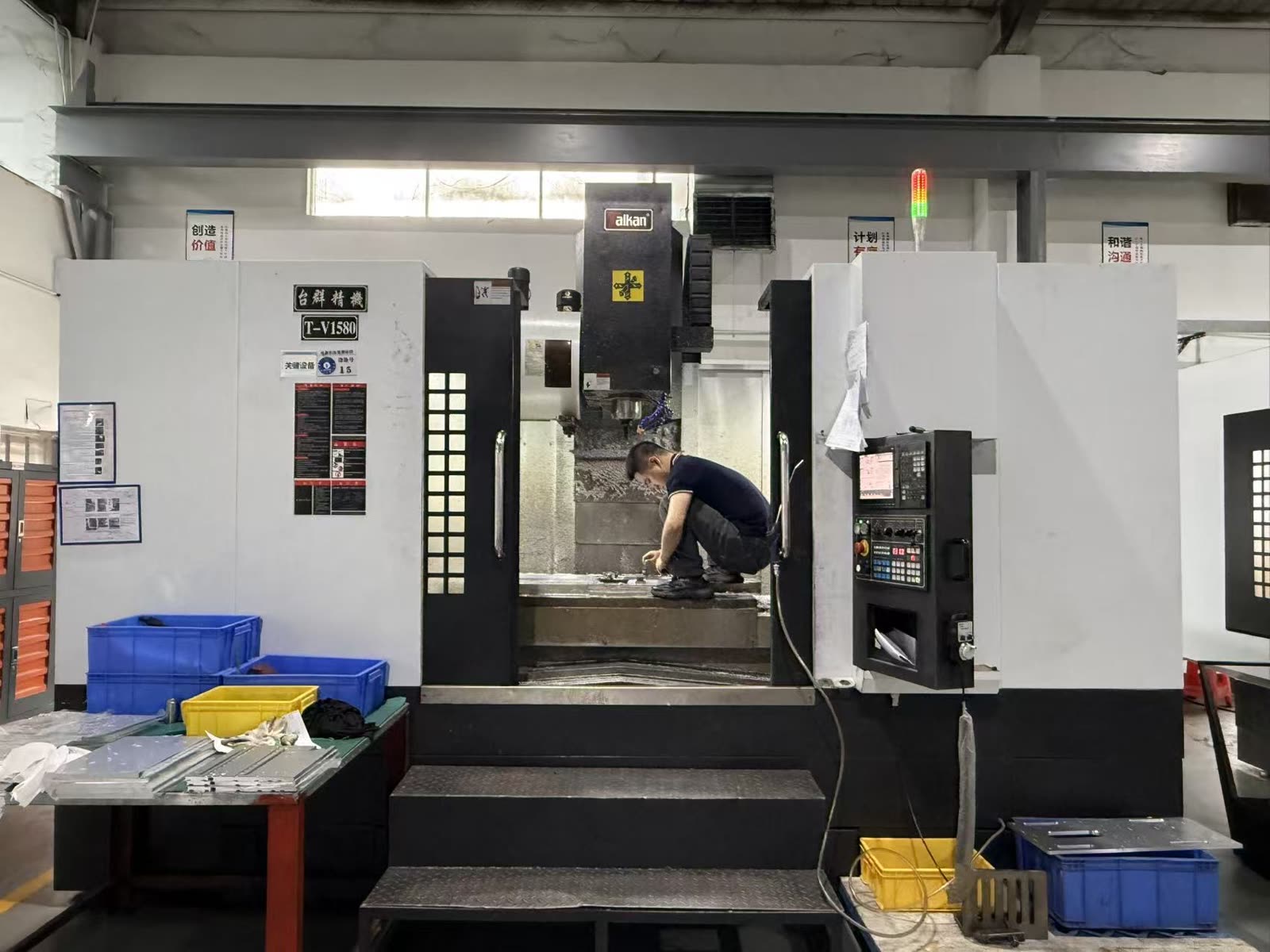
- Manufacturing Capabilities, 200+ machines, ±0.001mm tolerance
- Tolerances Reference
- Surface Finishes Guide
- Materials Catalog
- Get a Free DFM Quote, engineer response in 4 hours
- Case Studies
References: ISO 2768 General Tolerances and CNC on Wikipedia.
FAQs about aluminum 6061 vs 7075 CNC machining
Is aluminum 6061 vs 7075 CNC machining right for every project?
No. aluminum 6061 vs 7075 CNC machining fits some jobs better than others. We help you pick the right spec for your part. Tell us your load, heat, and budget, and we will steer you to the best choice. Most clients save money by picking the right grade up front, not the most premium one.
How fast can Ginwate ship aluminum 6061 vs 7075 CNC machining parts?
For most aluminum 6061 vs 7075 CNC machining jobs we quote in four hours. Lead time runs five to ten days for prototypes. Production runs land in two to three weeks. Rush jobs ship in 72 hours when stock is on hand. Send your CAD file to start.
What tolerances can you hold for aluminum 6061 vs 7075 CNC machining?
Most aluminum 6061 vs 7075 CNC machining parts hold plus or minus 0.02 mm without trouble. Tighter tols are possible with the right fixturing and a final grind pass. We hit ISO 2768-fH on first try for the bulk of jobs. Spec the tols you need, not tighter than that.
Do you offer DFM review for aluminum 6061 vs 7075 CNC machining?
Yes. Every quote includes a free DFM review by a senior engineer. We flag hard features, costly tols, and cheaper paths. This pays back fast, most parts get five to twenty percent cheaper after the review. No fee for this service.
Key Takeaways on aluminum 6061 vs 7075 CNC machining
The right plastic or metal pick saves time and money. aluminum 6061 vs 7075 CNC machining is one piece of the puzzle. Match the spec to the load, heat, and chemicals your part will see. Pick simple geometry where you can. Spec tight tols only where they matter. We are here to help at every step.
Ginwate has shipped aluminum 6061 vs 7075 CNC machining parts for hundreds of clients. We work with start-ups and Fortune 500 teams. Our shop runs eight CNC mills and four lathes. We hit lead times of five to ten days for most jobs. Quality is checked at every stage. We back our work with a full quality report.
Want to learn more about aluminum 6061 vs 7075 CNC machining? Browse our other guides above. Or send your part files for a free quote. We will get back to you in four hours.

Written by
Redowan Islam
Senior CNC engineer at Ginwate · 20+ years aerospace & medical machining