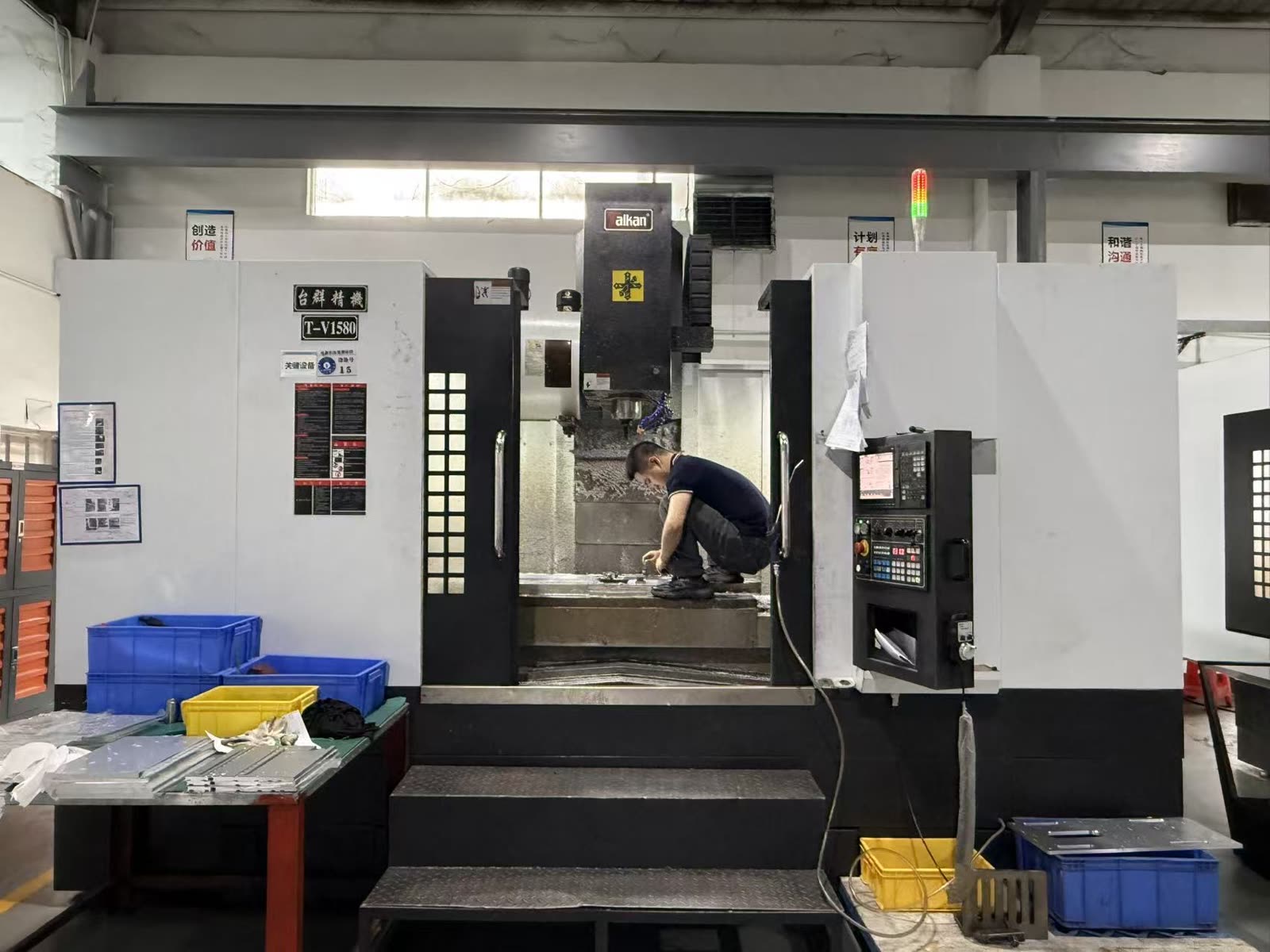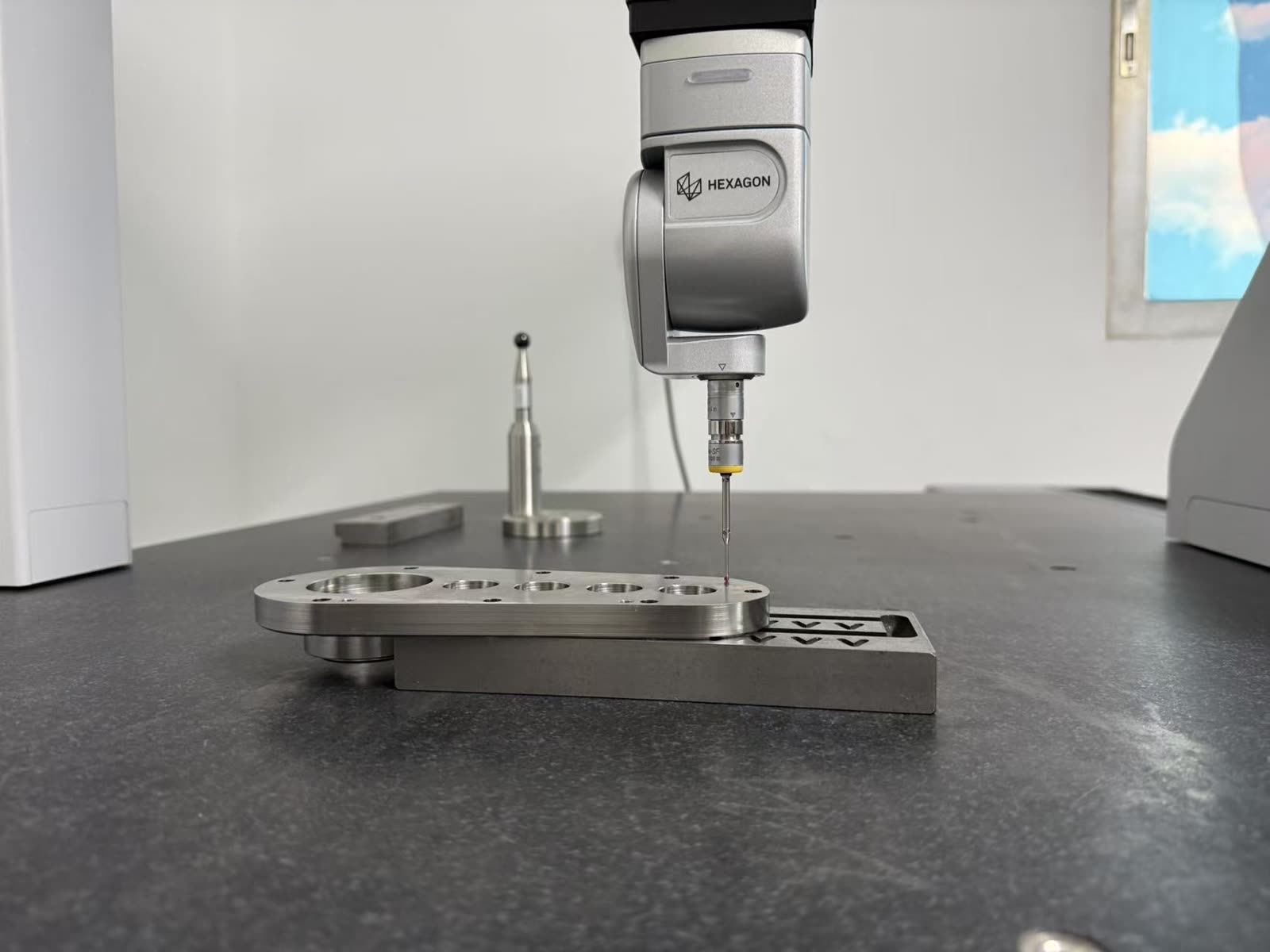
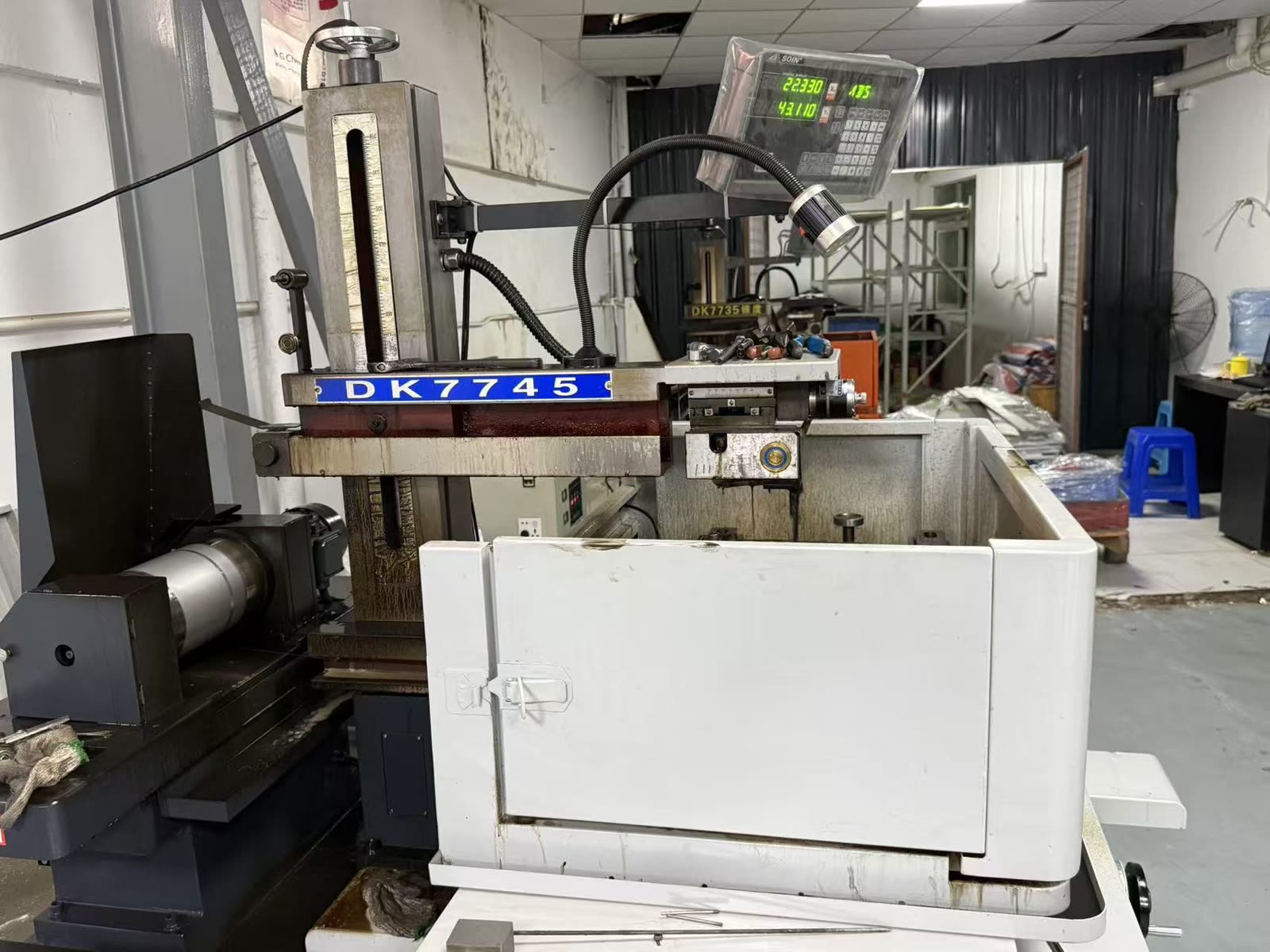
Looking for Wire EDM vs Sinker EDM guidance? You are in the right place. This guide answers the key questions for engineers.
How EDM Works, Wire EDM vs Sinker EDM
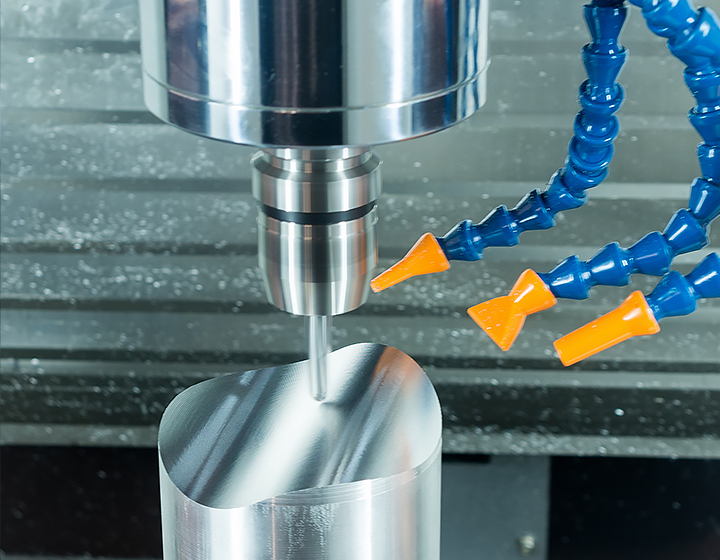
EDM removes material by controlled electrical sparks between an electrode and the workpiece, both submerged in dielectric fluid. Each spark vaporises a tiny crater of metal. Because there is no mechanical contact, EDM cuts hardened steel as easily as soft aluminium. The trade-off is speed, EDM removes material slowly. You use it because of geometry or hardness, not because it is fast.
Wire EDM, Wire EDM vs Sinker EDM
A thin brass wire (0.10-0.30mm diameter) acts as a continuously moving electrode, slicing through the workpiece like a band saw.
Wire EDM excels at:
- Through-cut profiles with sharp internal corners
- Tolerances down to +-0.002mm
- Hardened tool steel and carbide
- Dies, punches, and stripper plates for stamping
- Gears, splines, and thin slots with parallel walls
Limitations:
- The cut must go all the way through, blind features are impossible
- Internal corners always carry a small radius equal to half the wire diameter
- Large 3D contours are slow compared with milling
Surface finish ranges from Ra 1.6um in roughing to Ra 0.2um with multiple skim cuts.
Sinker EDM (Ram EDM), Wire EDM vs Sinker EDM
A shaped graphite or copper electrode is plunged into the workpiece, burning a negative cavity in its image.
Sinker EDM excels at:
- Blind cavities for injection moulds and die-casting tooling
- Sharp internal corners down to 0.05mm radius
- Deep ribs and narrow slots no end mill could reach
- Complex 3D contours in hardened tool steel
Limitations:
- Each new geometry needs a custom electrode (added cost for prototypes)
- Recast layer of 5-25um requires polishing for fatigue-critical parts
Precision Grinding, Wire EDM vs Sinker EDM
Grinding uses an abrasive wheel to remove tiny amounts of material, surface, cylindrical, ID, centerless. jig grinding.
Precision grinding excels at:
- Mirror-finish surfaces down to Ra 0.05um
- Flat, parallel, and perpendicular references to single-micron accuracy
- Round shafts and bores with tight roundness and concentricity
- Hardened parts after heat treatment
Side-by-Side Comparison, Wire EDM vs Sinker EDM
| Capability | Wire EDM | Sinker EDM | Precision Grinding |
|---|---|---|---|
| Best Geometry | Through profiles | Blind cavities | Flats, OD, ID |
| Tolerance | +-0.002mm | +-0.005mm | +-0.001mm |
| Surface Finish | Ra 0.2um | Ra 0.4um | Ra 0.05um |
| Sharp Internal Corners | Limited | Yes | No |
How to Choose, Wire EDM vs Sinker EDM
1. Does the feature go all the way through? Wire EDM is usually fastest and cheapest.
2. Is it a blind cavity with sharp corners? Only sinker EDM can do it.
3. Is it a flat reference, round shaft, or precision bore? Grinding is faster with better finish.
4. Is the part already hardened? All three handle hardened material, choose by geometry.
Design Tips for EDM-Friendly Parts
1. Add starter holes for wire EDM when you need a closed pocket
2. Specify minimum corner radius explicitly, wire EDM leaves a small but real radius
3. Avoid unnecessarily fine surface finishes, each skim pass adds time and cost
4. Group small parts for stacked wire EDM cutting, five identical parts cut at nearly the cost of one
5. Discuss recast layers with your manufacturer for fatigue-critical parts
Ginwate CNC offers in-house Wire EDM, Sinker EDM, and precision grinding alongside 5-axis CNC capability. Get a free quote at [ginwatecnc.com](https://ginwatecnc.com/contact).
Related Ginwate Resources
- Manufacturing Capabilities, 200+ machines, ±0.001mm tolerance
- Tolerances Reference
- Surface Finishes Guide
- Materials Catalog
- Get a Free DFM Quote, engineer response in 4 hours
- Case Studies
References: ISO 2768 General Tolerances and CNC on Wikipedia.
FAQs about Wire EDM vs Sinker EDM
Is Wire EDM vs Sinker EDM right for every project?
No. Wire EDM vs Sinker EDM fits some jobs better than others. We help you pick the right spec for your part. Tell us your load, heat, and budget, and we will steer you to the best choice. Most clients save money by picking the right grade up front, not the most premium one.
How fast can Ginwate ship Wire EDM vs Sinker EDM parts?
For most Wire EDM vs Sinker EDM jobs we quote in four hours. Lead time runs five to ten days for prototypes. Production runs land in two to three weeks. Rush jobs ship in 72 hours when stock is on hand. Send your CAD file to start.
What tolerances can you hold for Wire EDM vs Sinker EDM?
Most Wire EDM vs Sinker EDM parts hold plus or minus 0.02 mm without trouble. Tighter tols are possible with the right fixturing and a final grind pass. We hit ISO 2768-fH on first try for the bulk of jobs. Spec the tols you need, not tighter than that.
Do you offer DFM review for Wire EDM vs Sinker EDM?
Yes. Every quote includes a free DFM review by a senior engineer. We flag hard features, costly tols, and cheaper paths. This pays back fast, most parts get five to twenty percent cheaper after the review. No fee for this service.
Key Takeaways on Wire EDM vs Sinker EDM
The right plastic or metal pick saves time and money. Wire EDM vs Sinker EDM is one piece of the puzzle. Match the spec to the load, heat, and chemicals your part will see. Pick simple geometry where you can. Spec tight tols only where they matter. We are here to help at every step.
Ginwate has shipped Wire EDM vs Sinker EDM parts for hundreds of clients. We work with start-ups and Fortune 500 teams. Our shop runs eight CNC mills and four lathes. We hit lead times of five to ten days for most jobs. Quality is checked at every stage. We back our work with a full quality report.
Want to learn more about Wire EDM vs Sinker EDM? Browse our other guides above. Or send your part files for a free quote. We will get back to you in four hours.

Written by
Chenny
Senior CNC engineer at Ginwate · 20+ years aerospace & medical machining