Looking for how to choose CNC machining supplier guidance? You are in the right place. This guide answers the key questions for engineers.
The Real Cost of Choosing the Wrong Supplier, how to choose CNC machining supplier
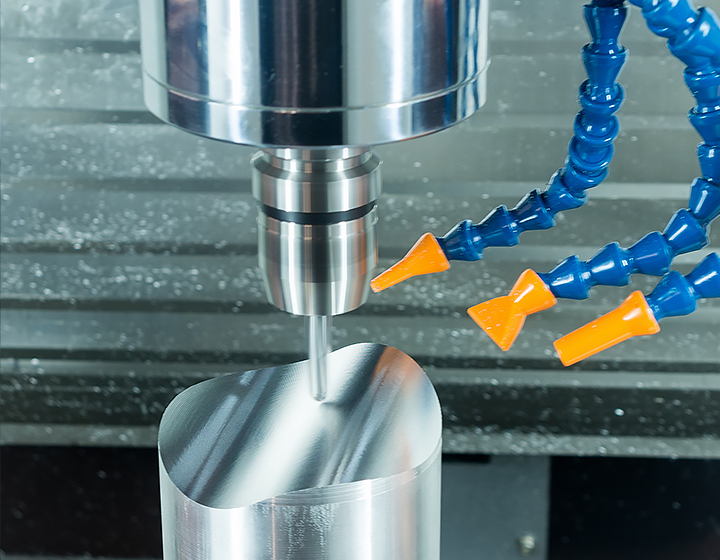
A bad CNC supplier does not just deliver late, it delivers wrong. Out-of-tolerance parts mean scrapped assemblies, missed product launches. emergency re-orders from whoever can turn parts around in a weekend. The hidden cost of a bad supplier decision often exceeds the cost of the parts themselves.
Choosing a supplier based on price alone is the most common mistake in procurement. This guide gives you the questions to ask, and what the answers reveal, so you can make an informed decision.
Question 1: Are You ISO 9001 Certified?, how to choose CNC machining supplier
ISO 9001 is the international quality management standard. It requires a supplier to document their processes, track non-conformances, conduct regular internal audits, and pursue continuous improvement.
A certified supplier has been audited by an independent body and found to meet the standard. This does not guarantee perfect parts, but it does mean the supplier has a systematic approach to quality, not just good intentions.
Red flag: A supplier who claims ISO compliance without showing a current certificate issued by an accredited certification body.
Ginwate holds ISO 9001:2015 and ISO 14001:2015 certificates, both available to download on our website.
Question 2: What Equipment Do You Have On-Site?, how to choose CNC machining supplier
A supplier with limited or old equipment will struggle with complex geometry, tight tolerances, and difficult materials. Ask specifically:
- How many CNC machining centers do you have, and what brands?
- Do you have 5-axis capability?
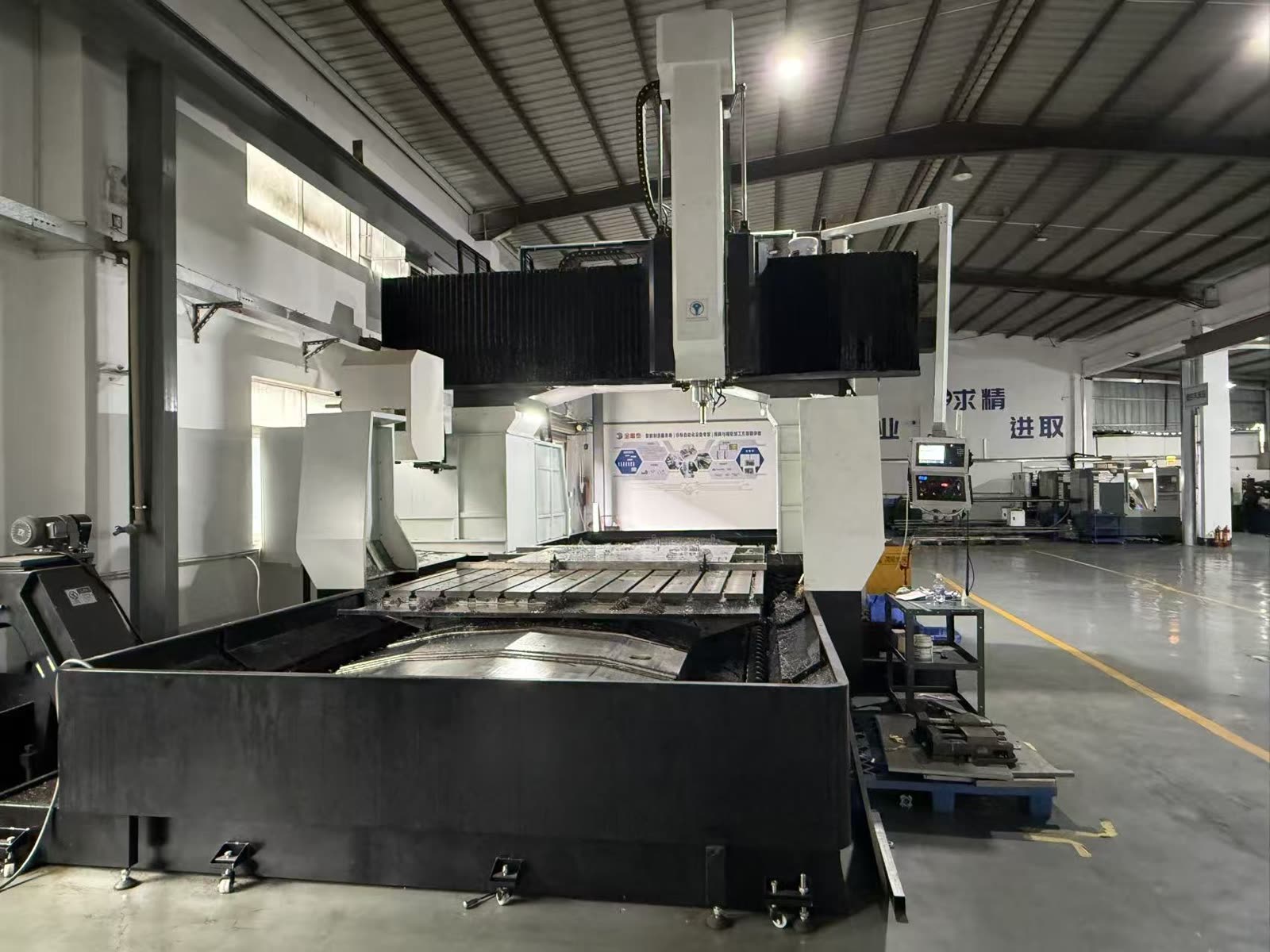
- What is your largest and smallest workpiece envelope?
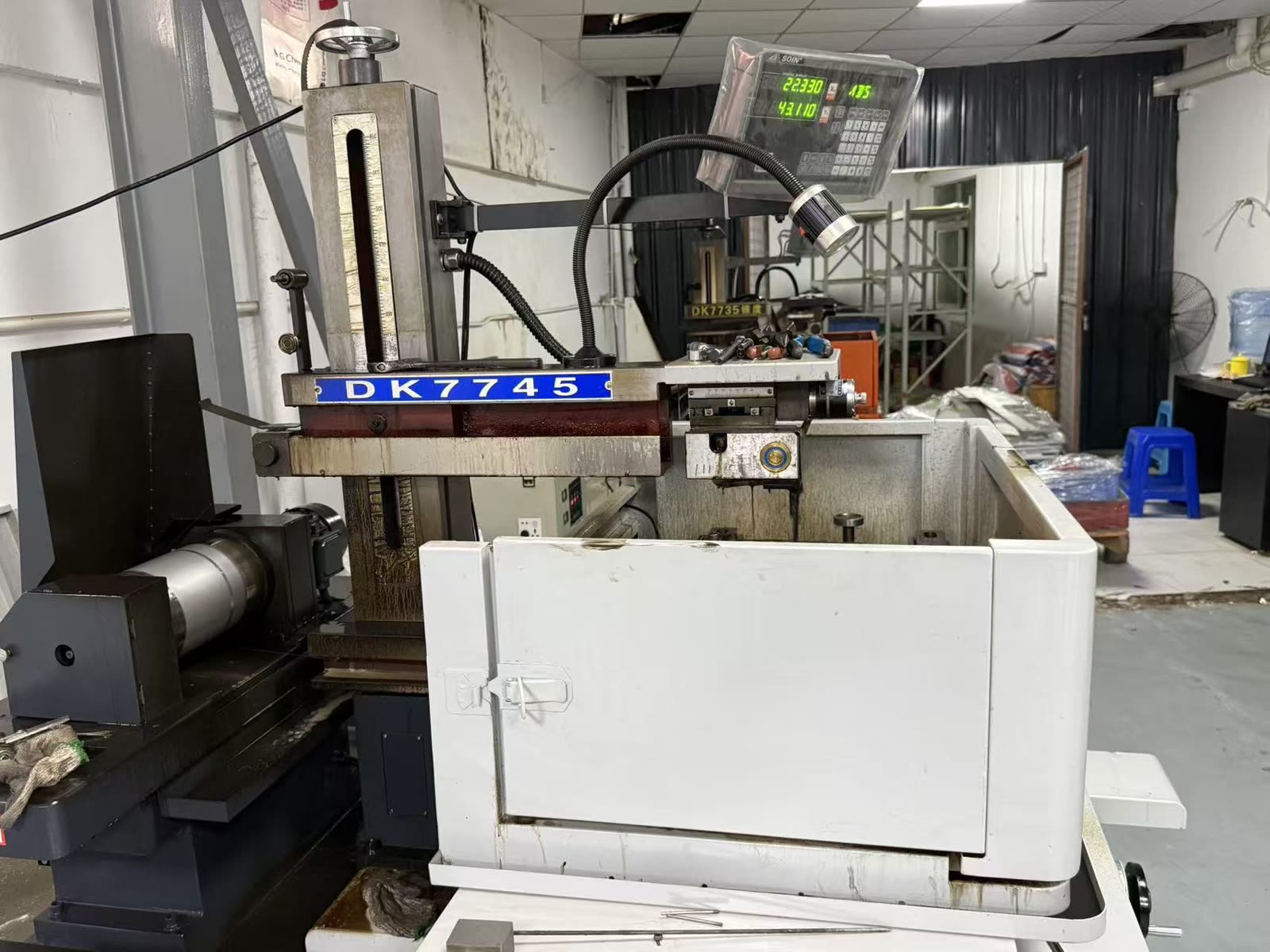
- Do you have grinding, EDM, or other specialty processes in-house?
In-house specialty processes (grinding, wire EDM) are a significant advantage, outsourcing to subcontractors adds lead time and reduces the supplier control over quality.
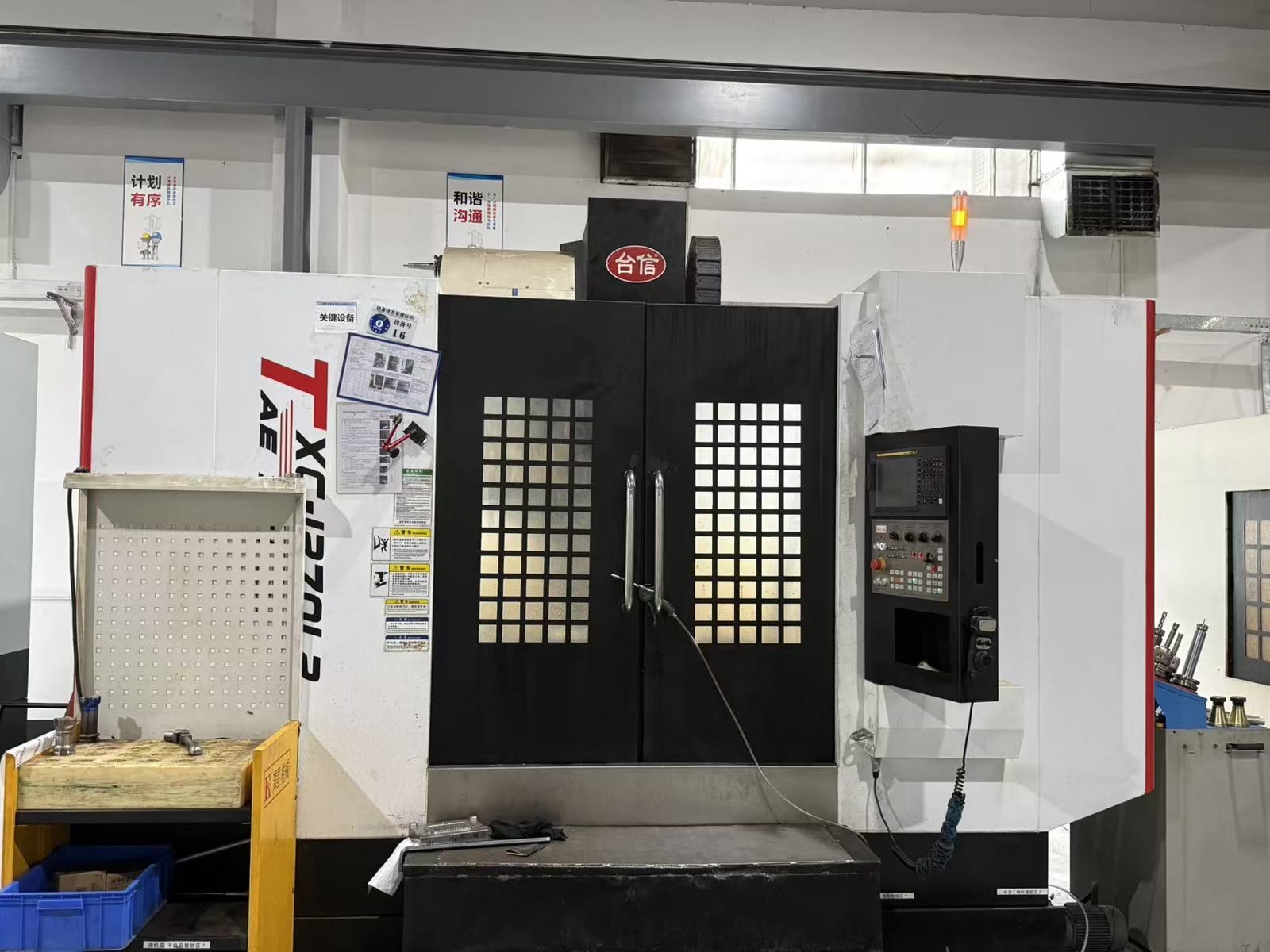
Ginwate operates 60+ CNC machining centers, including 5-axis DMG Mori and Haas machines, CNC grinding, wire EDM. surface grinding, all under one roof.
Question 3: How Do You Inspect Parts?, how to choose CNC machining supplier
A supplier without proper measurement equipment cannot verify that parts meet drawing requirements. At minimum, a capable supplier should have:
- Digital calipers and micrometers (±0.001 mm resolution)
- Height gauges
- Surface plate and dial indicators
- Thread gauges (go/no-go)
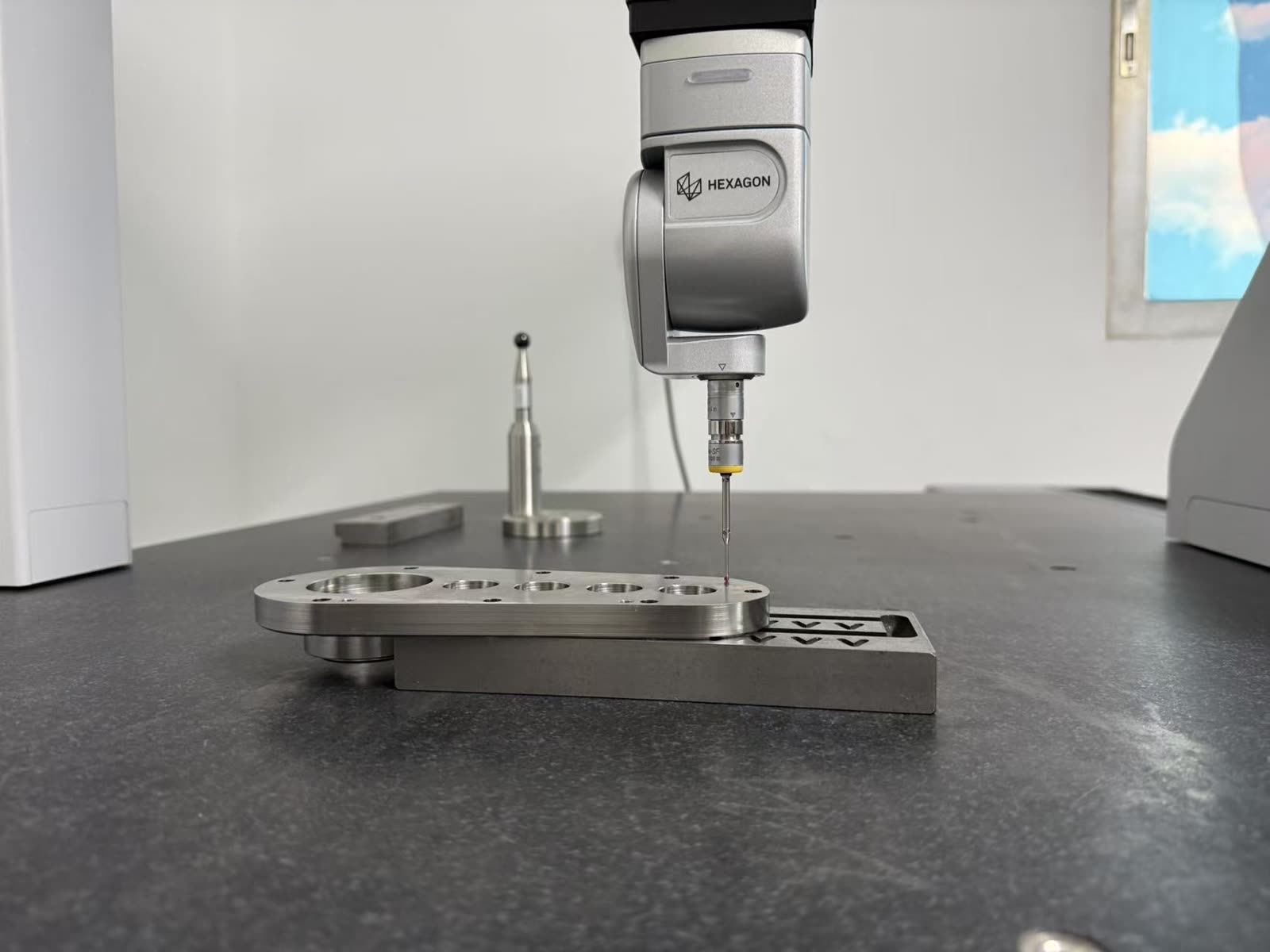
For precision work, ask whether they have a CMM (Coordinate Measuring Machine). A CMM can verify complex geometry, true position, and GD&T callouts that hand tools cannot reach. It also produces digital reports that can be provided as evidence of conformance.
Red flag: A supplier who cannot produce measurement records on request.
Question 4: What Is Your Standard Lead Time?, how to choose CNC machining supplier
Lead time varies dramatically. Prototypes on a simple part can be 3-5 days; complex production parts can take 3-4 weeks. The relevant question is not just the lead time itself, but whether the supplier consistently meets it.
Ask for references from existing customers and specifically ask those customers whether deliveries are on time.
Question 5: Can You Handle My Material?, how to choose CNC machining supplier
Not all shops stock or have experience machining all materials. Titanium, Inconel, hardened tool steel. engineering plastics (PEEK, Delrin) each require different tooling, speeds, feeds. coolant strategies. Ask your supplier specifically:
- Do you regularly machine this material?
- Do you have material certificates for purchased stock?
Material certificates (mill certificates or certificates of conformance) prove that the material supplied is what was ordered. This is essential for aerospace, medical, and defense applications.
Question 6: What Are Your Standard and Achievable Tolerances?, how to choose CNC machining supplier
Standard CNC machining achieves ISO 2768-m or ISO 2768-f without special effort. But if your parts require ±0.01 mm or tighter, ask specifically what the supplier can routinely achieve and how they verify it.
Be wary of any supplier who quotes any tolerance without qualification. A realistic supplier will tell you that tight tolerances require longer cycle times, more inspection. higher cost.
Question 7: How Do You Handle Non-Conformances?, how to choose CNC machining supplier
Every shop occasionally produces a non-conforming part. The question is how they handle it. A quality-focused supplier will:
- Identify non-conformances before shipping (not after you receive them)
- Notify you immediately if a problem is found
- Have a documented corrective action process
- Not re-submit a non-conforming part without your approval
Ask about their NCR (Non-Conformance Report) process. A supplier who cannot describe this process has not thought about it seriously.
Question 8: Who Is My Point of Contact?, how to choose CNC machining supplier
In manufacturing, communication problems cause as much waste as technical problems. Misunderstood drawings, missed specification changes, and undiscussed lead time changes all trace back to poor communication.
Find out: who will be your day-to-day contact? Do they understand engineering? Are they available in your time zone? What is the typical response time to email or message?
At Ginwate, every customer is assigned a dedicated account manager with a technical background. Our standard response time is within 4 hours during business hours (CST). we have team members who can handle English, German. Japanese queries.
The Bottom Line, how to choose CNC machining supplier
The ideal CNC supplier has:
- ISO 9001 certification
- Modern, well-maintained equipment including 5-axis and CMM
- Transparent quality system and inspection records
- Realistic lead time commitments with a track record of meeting them
- Broad material capability with mill certificates on request
- Clear communication with an assigned technical contact
We invite you to apply this checklist to Ginwate. All the above apply to us, and we are happy to provide references, certifications. sample inspection reports on request. Contact us or visit our Capabilities page to learn more.
Related Ginwate Resources, how to choose CNC machining supplier
- Manufacturing Capabilities, 200+ machines, ±0.001mm tolerance
- Tolerances Reference
- Surface Finishes Guide
- Materials Catalog
- Get a Free DFM Quote, engineer response in 4 hours
- Case Studies
References: ISO 2768 General Tolerances and CNC on Wikipedia.
FAQs about how to choose CNC machining supplier
Is how to choose CNC machining supplier right for every project?
No. how to choose CNC machining supplier fits some jobs better than others. We help you pick the right spec for your part. Tell us your load, heat, and budget, and we will steer you to the best choice. Most clients save money by picking the right grade up front, not the most premium one.
How fast can Ginwate ship how to choose CNC machining supplier parts?
For most how to choose CNC machining supplier jobs we quote in four hours. Lead time runs five to ten days for prototypes. Production runs land in two to three weeks. Rush jobs ship in 72 hours when stock is on hand. Send your CAD file to start.
What tolerances can you hold for how to choose CNC machining supplier?
Most how to choose CNC machining supplier parts hold plus or minus 0.02 mm without trouble. Tighter tols are possible with the right fixturing and a final grind pass. We hit ISO 2768-fH on first try for the bulk of jobs. Spec the tols you need, not tighter than that.
Do you offer DFM review for how to choose CNC machining supplier?
Yes. Every quote includes a free DFM review by a senior engineer. We flag hard features, costly tols, and cheaper paths. This pays back fast, most parts get five to twenty percent cheaper after the review. No fee for this service.

Written by
Roger (罗欢)
Senior CNC engineer at Ginwate · 20+ years aerospace & medical machining