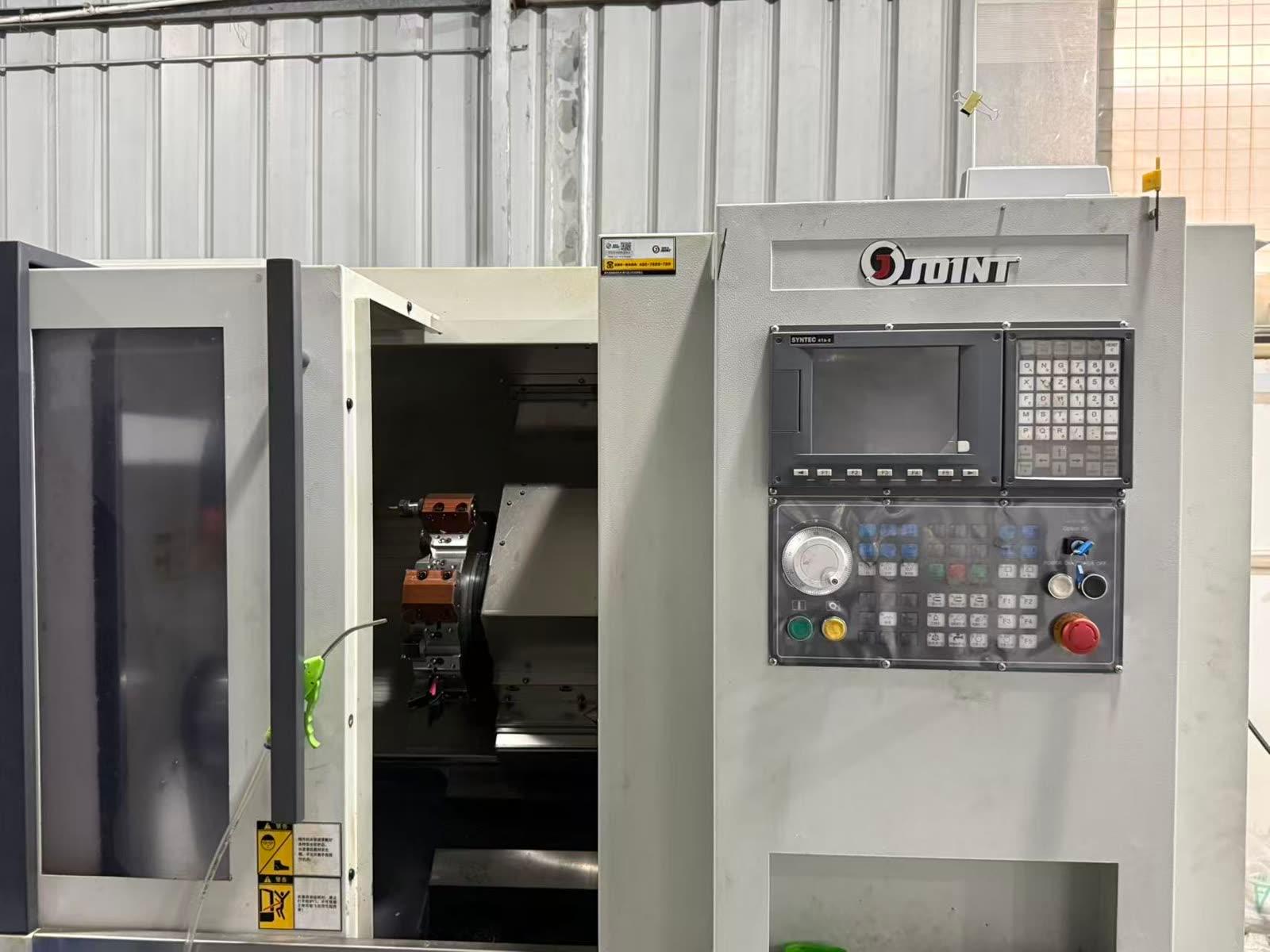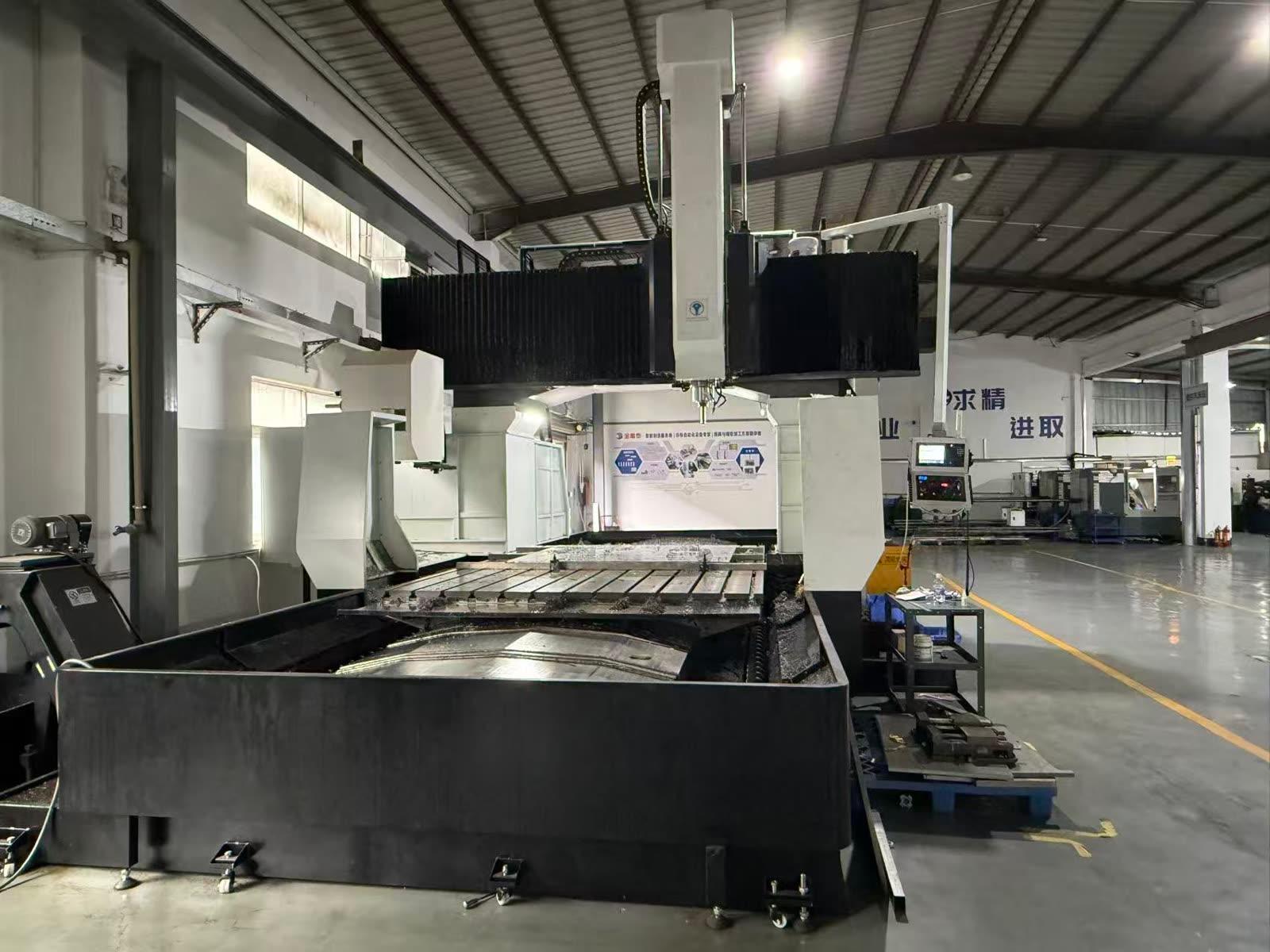
CNC-Drehservice,
Drehen, Swiss-Drehen & Drehen mit angetriebenen Werkzeugen
Wellen, Buchsen, Stifte und komplexe Rotationsteile mit Toleranz ±0,005 mm. Unsere CNC-Drehmaschinen, Swiss-Drehzentren und Drehfräszentren fertigen jedes Drehteil.
Was ist CNC-Drehen?
CNC-Drehen ist ein Bearbeitungsverfahren, bei dem das Werkstück mit hoher Drehzahl rotiert, während ein stationäres Einpunkt-Schneidwerkzeug in X- und Z-Achse verfahren wird. The result is parts with cylindrical, conical, threaded or contoured profiles, shafts, pins, bushings, nozzles, fittings and more.
Standard CNC lathes are the most economical option for rotational parts up to 400 mm diameter and 1,500 mm length. Adding live tooling to the turret allows milling, drilling and tapping operations in the same setup, eliminating costly repositioning.
Swiss-type CNC turning uses a guide bushing to support the bar stock immediately adjacent to the cutting zone. This eliminates deflection and enables extremely long, slender parts, down to 0.5 mm diameter, at micron-level tolerances. It is the method of choice for medical screws, dental implants and precision electronics.
Choose standard turning for general-purpose cylindrical parts. Choose Swiss when L/D exceeds 10:1 or diameter falls below 6 mm. Add live tooling when cross-features would otherwise require a second machine. See our tolerance guide for detailed capability data.
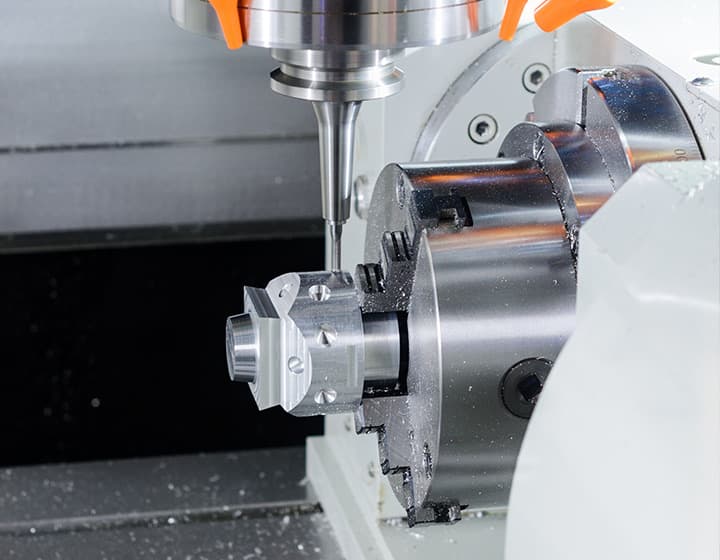
CNC-Drehverfahren
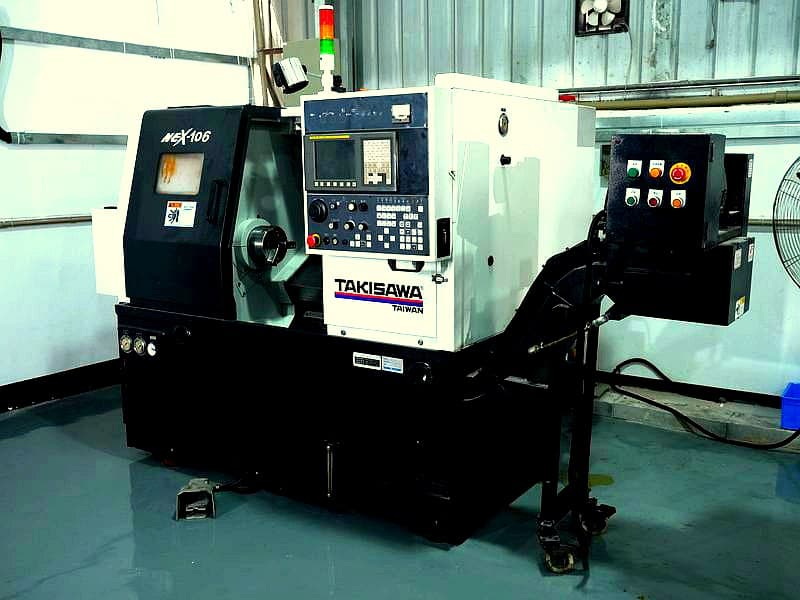
Wir betreiben CNC-Drehmaschinen, Swiss-Drehzentren und Drehfräszentren. Die richtige Wahl hängt von Durchmesser, Komplexität und Toleranz ab.
CNC Lathe Turning
2-axis CNC turning is the foundation of cylindrical part production. The workpiece rotates while a stationary cutting tool traverses in X and Z to produce shafts, pins, step-bores, threads and tapers with excellent repeatability.
- Standard tolerance ±0.01 mm
- Max diameter 400 mm
- Max length 1,500 mm
- Internal and external threads
Ideal for: shafts, pins, spacers, threaded fasteners, pulleys
CNC Turning with Live Tooling
Live-tooling lathes add rotating milling and drilling heads on the turret. Cross-holes, keyways, flats and off-centre features can all be machined without moving the part to a milling centre, saving setups and maintaining concentricity.
- Milling, drilling & tapping in one setup
- Off-centre and angular features
- Slot, flat, cross-hole in single clamping
- Better concentricity than multi-setup
Ideal for: valve bodies, hydraulic fittings, shafts with keyways or cross-holes
Schweizer CNC-Drehen
Swiss-type lathes guide the bar stock through a guide bushing, supporting it right at the cut. This near-zero deflection setup allows extremely slender parts, down to 0.5 mm diameter, to be machined to micron-level precision at high feed rates.
- Min diameter 0.5 mm
- Tolerance to ±0.003 mm
- Ideal for long, slender parts
- High-volume production efficiency
Ideal for: medical pins, watch parts, dental screws, micro-shafts, electronics
Drehtechnik-Spezifikationen
Schnellreferenz-Spezifikationen nach Maschinentyp.
| Spezifikation | CNC-Drehmaschine | Swiss-CNC |
|---|---|---|
| Standardtoleranz (Durchmesser) | ±0.01 mm | ±0.005 mm |
| Hochpräzisions-Toleranz | ±0.005 mm | ±0.003 mm |
| Max. Drehdurchmesser | 400 mm | 32 mm |
| Max. Drehlänge | 1,500 mm | 300 mm |
| Min. Durchmesser | 2 mm | 0.5 mm |
| Oberflächengüte Ra | 0.8 μm std | 0.4 μm std |
| Gewindenormen | M, UNC, UNF, BSPT | M, UNC, UNF |
| Angetriebene Werkzeuge | Available | Available |
Toleranzen hängen von Material, L/D-Verhältnis und Merkmalgeometrie ab. Kontaktieren Sie uns für eine DFM-Prüfung bei kritischen Maßen.
Bearbeitete Werkstoffe
Wir drehen 50+ Metalle und technische Kunststoffe:
Oberflächenbehandlungen
Alle Oberflächenbehandlungen im Haus verfügbar.
Wie gedreht
Ra 1.6-3.2 μm direct off the lathe. Tool marks visible but functionally clean surfaces.
Schleifen
Post-turn cylindrical grinding to Ra 0.2-0.4 μm for bearing journals, sealing surfaces and precision fits.
Eloxieren
Type II or Type III hard anodizing for turned aluminum parts. Excellent corrosion and wear resistance.
Elektropolieren
Electrochemical smoothing for stainless steel turned parts. Ideal for FDA/medical applications.
Vernickeln
Electroless nickel for uniform thickness on complex turned geometries. Excellent corrosion resistance.
Black Oxide
Conversion coating for steel turned parts, mild corrosion resistance, no dimensional change.
Passivation
Stainless steel chromium-oxide layer restoration after machining. ASTM A967 compliant.
Polieren
Manual or mass-media polishing to mirror Ra <0.1 μm for shaft surfaces and hydraulic components.
Design-Richtlinien für CNC-Drehen
Diese Richtlinien helfen Ihnen, genaue Angebote zu erhalten und sicherzustellen, dass Ihre Teile fertigbar sind.
- L/D ratio below 10:1 for standard turning, slender parts beyond this ratio need steady rest support or Swiss-type machines.
- Internal bore diameter minimum 6 mm for standard boring bars. Smaller requires Swiss-type or gun drilling.
- Thread reliefs and undercuts add setup time, only specify where functionally necessary.
- Specify concentricity and runout as GD&T callouts on 2D drawing, not just dimensional tolerances in the model.
- Knurling, O-ring grooves and thread forms should be called out on the drawing with form standard (e.g. 60° Unified thread).
- Material selection matters for turning: free-machining grades (303 SS, C360 brass) cut faster and cheaper than work-hardening grades (316L, Ti).
Design-Richtlinien für CNC-Drehen
Diese Richtlinien helfen Ihnen, genaue Angebote zu erhalten und sicherzustellen, dass Ihre Teile fertigbar sind.
CNC-Drehangebot anfordernBediente Branchen
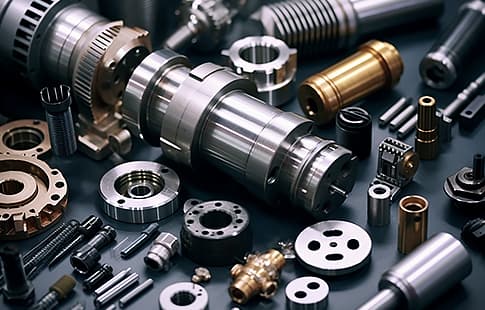
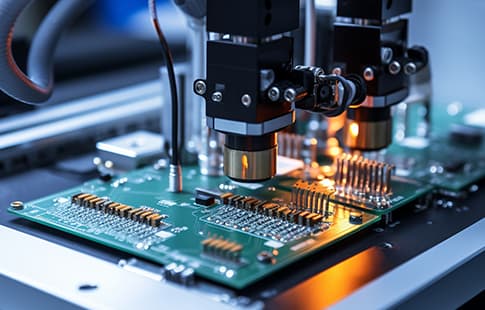
Unsere CNC-Drehkapazitäten dienen anspruchsvollen Anwendungen in sechs Branchen.

Verwandte Leistungen
CNC Milling
3-axis, 4-axis & 5-axis milling for prismatic parts, pockets, surfaces. ±0.001 mm.
5-Axis Machining
Single-setup complex geometry. Aerospace, medical and turbomachinery specialists.
Tolerance Guide
Full achievable tolerances, GD&T capabilities and design guidelines.
Häufig gestellte Fragen
Was ist der Unterschied zwischen CNC-Drehen und CNC-Fräsen?+
Beim CNC-Drehen rotiert das Teil gegen ein feststehendes Werkzeug, ideal für zylindrische und rotationssymmetrische Teile wie Wellen, Bolzen, Buchsen und Gewindeteile. Beim CNC-Fräsen rotiert das Werkzeug gegen ein festes Teil, besser für prismatische und komplexe 3D-Formen. Teile, die beides benötigen, fertigen wir auf kombinierten Dreh-Fräs-Maschinen.
Welche Toleranzen erreicht Ihr CNC-Drehen?+
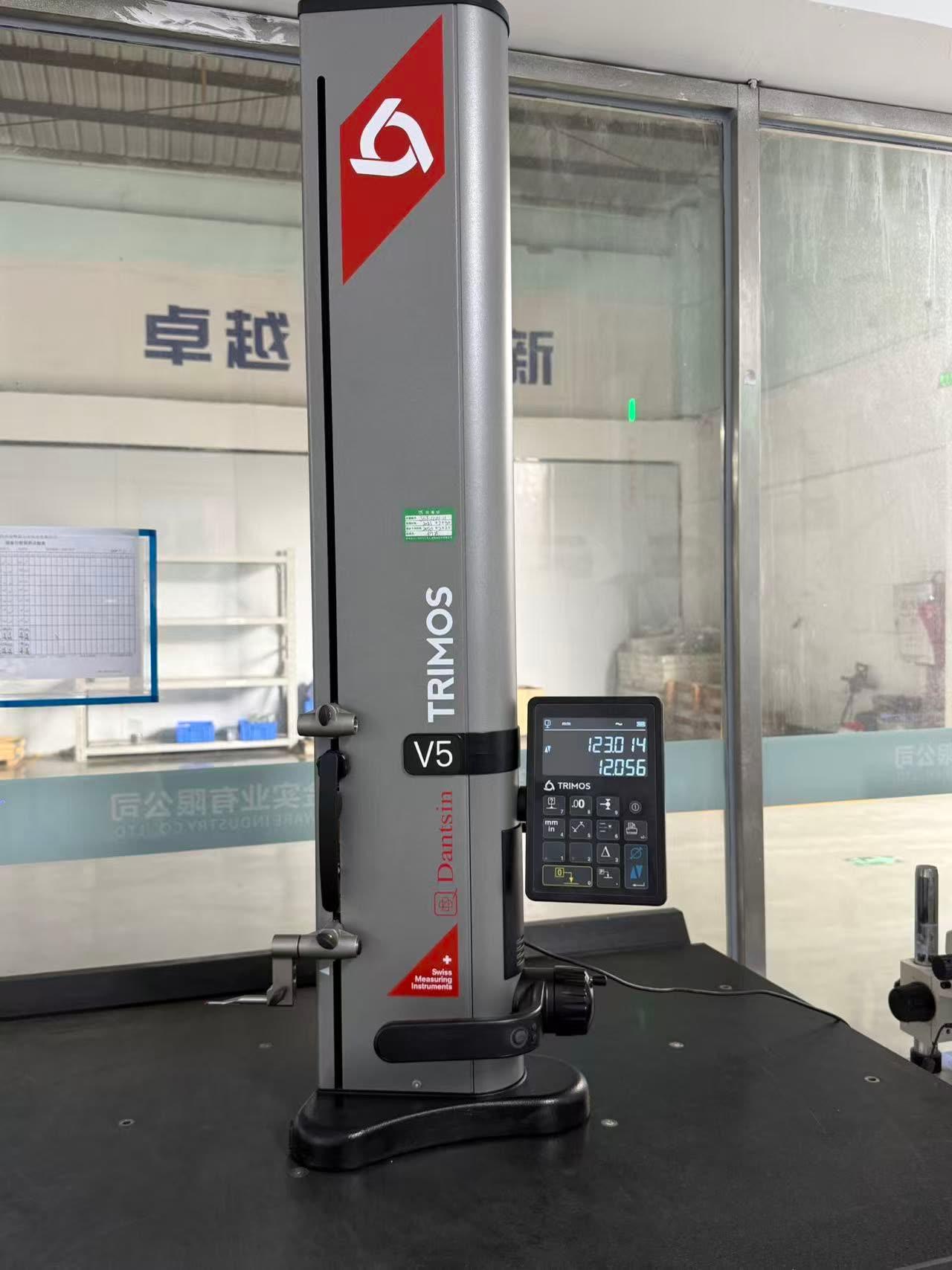
Unser CNC-Drehen hält Standardtoleranzen von ±0,005 mm und engere Toleranzen bis ±0,001 mm an kritischen Durchmessern, mit Oberflächengüten bis Ra 0,4 μm. Kritische Maße werden per CMM geprüft und auf Wunsch mit Prüfbericht geliefert.
Welche Werkstoffe können Sie CNC-drehen?+
Wir drehen Aluminium (6061, 7075), Edelstahl (303, 304, 316L), Messing, Kupfer, Bau- und legierte Stähle, Titan sowie technische Kunststoffe wie PEEK, POM und Nylon. Für Luftfahrt- und Medizinteile sind Werkstoffzertifikate und Rückverfolgbarkeit verfügbar.
Gibt es eine Mindestbestellmenge für CNC-gedrehte Teile?+
Nein. Es gibt keine Mindestbestellmenge. Wir drehen vom Einzelprototyp bis zur Großserie, mit denselben Toleranzen und demselben Qualitätsprozess für jedes Teil.
Wie schnell erhalte ich ein CNC-Drehangebot?+
Laden Sie Ihre 3D-STEP-Datei und 2D-Zeichnung hoch und Sie erhalten innerhalb von 1 bis 12 Stunden ein detailliertes Angebot mit kostenloser DFM-Prüfung. Die Lieferzeit für die meisten gedrehten Teile beträgt 3 bis 10 Arbeitstage.
Bieten Sie Langdrehen und angetriebene Werkzeuge an?+
Ja. Wir betreiben Langdrehautomaten für kleine, schlanke Präzisionsteile sowie CNC-Drehmaschinen mit angetriebenen Werkzeugen, die gefräste Merkmale wie Flächen, Querbohrungen und Nuten in einer Aufspannung an Drehteile anbringen.
Bereit, Ihre Teile zu drehen?
Laden Sie Ihre CAD-Dateien hoch und erhalten Sie innerhalb von 24 Stunden ein detailliertes CNC-Drehangebot.
Need milling too? Shafts with keyways, valve stems with hex drives, threaded parts with milled flats, run the whole job through our combined milling- and-turning shop instead. Same factory, same engineer, one quote, no fixturing re-stack error.
See CNC Milling + Turning Services