The documentation aerospace buyers require
Aerospace quality runs on paper. Your supplier needs to produce nine pieces of documentation, and your QA team verifies each before approval. Here's what each one is and why it matters.
1. AS9102 First Article Inspection (FAI)
Three-form package covering every drawing characteristic on the first production piece. Form 1 = part number accountability, Form 2 = material/process accountability, Form 3 = characteristic-by-characteristic measurement with balloon references. Required by AS9100-certified primes for every new part number.
2. Material certificate (EN 10204 3.1)
Mill cert traceable to heat lot. Includes chemical composition, mechanical properties (tensile, yield, elongation), grain size. Counter-signed by supplier QA on receipt of raw stock. Skip this and you have no proof the metal in your part matches the spec.
3. Special-process certifications (heat treat, surface)
Heat treat per AMS 2750 (pyrometry); anodize per MIL-A-8625; passivation per ASTM A967 or AMS 2700. Each requires a supplier with NADCAP accreditation or a sub-tier that does. Cert references the part lot number + process parameters.
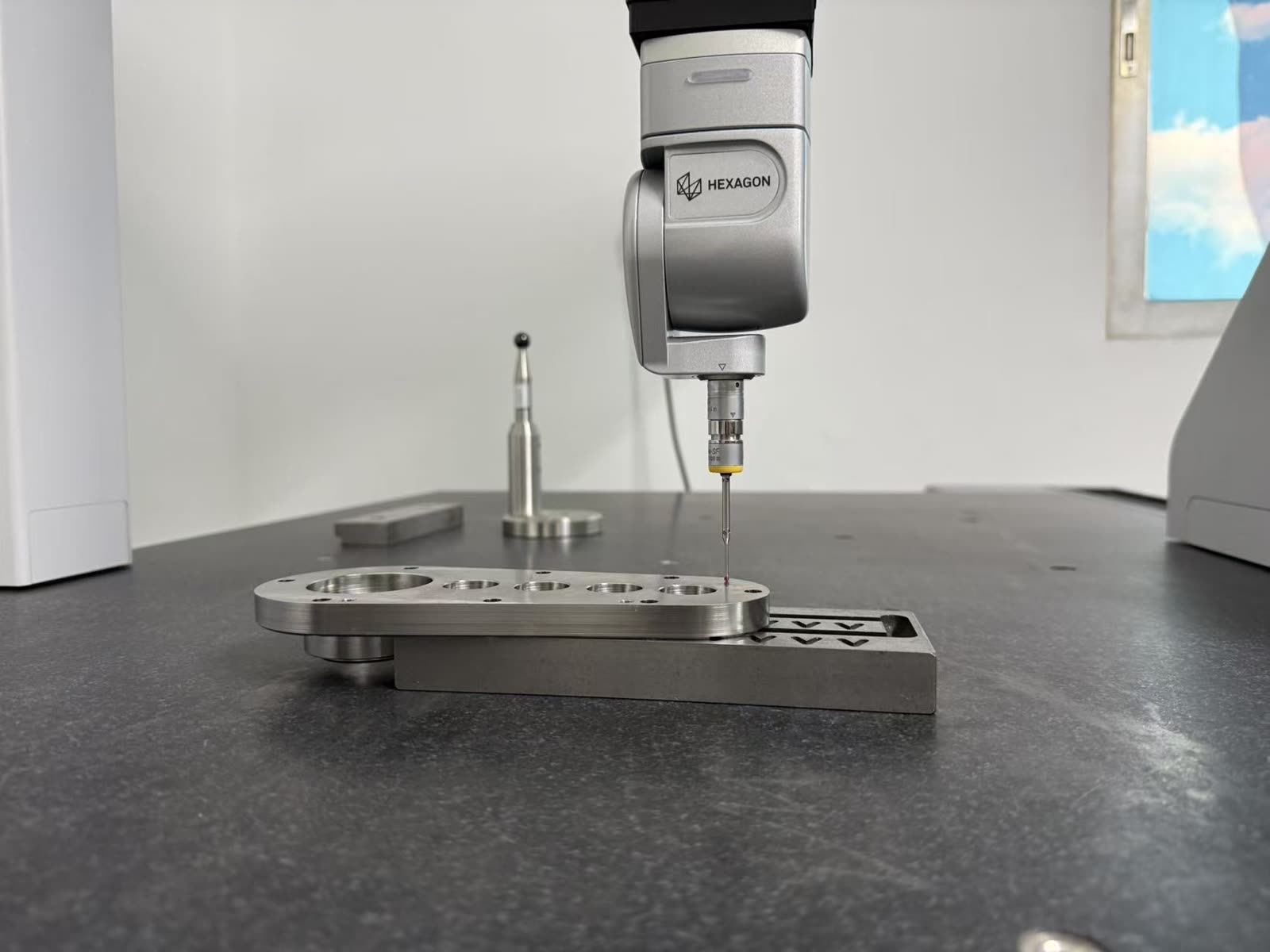
4. Dimensional inspection (CMM report)
Every critical dimension measured on calibrated equipment, traceable to national standard. Format: nominal / +tol / -tol / measured / instrument / verdict. Sampling per AS9102 (100% on FAI, AQL on production).
5. NDT (non-destructive testing) reports — if specified
Penetrant inspection (FPI per AMS 2647), ultrasonic, X-ray. Lot tied. Inspector signature with NAS 410 certification level (Level II for inspection, Level III for sign-off).
6. Calibration certificates for measurement equipment
Annual calibration of CMMs, gauges, hardness testers. Traceable to NIST or equivalent national lab. Required if your inspection data is auditable.
7. Quality manual + ISO 9001 certificate
The supplier's overarching system documentation. AS9100 is preferred for aerospace but ISO 9001 + commercial aerospace can be acceptable for non-flight-critical parts.
8. PPAP (if automotive/aerospace dual-purpose part)
Production Part Approval Process — automotive equivalent of FAI. Some aerospace primes request it for parts that also go into automotive lines.
9. Lot traceability + segregation records
Documented chain from heat lot → cut blank → finished part → shipment. Required if you ever need to root-cause a field failure or recall a batch.
Common gaps in China supplier documentation
- FAI in non-AS9102 format (loose CMM reports without balloon references)
- Material certs as 2.1 (mill stamp only) instead of 3.1 (formal cert)
- "Heat treat per drawing" with no AMS reference
- Calibration certs from in-house calibration (not lab-traceable)
- Sub-tier surface treatments without NADCAP backup
What Ginwate provides on aerospace orders
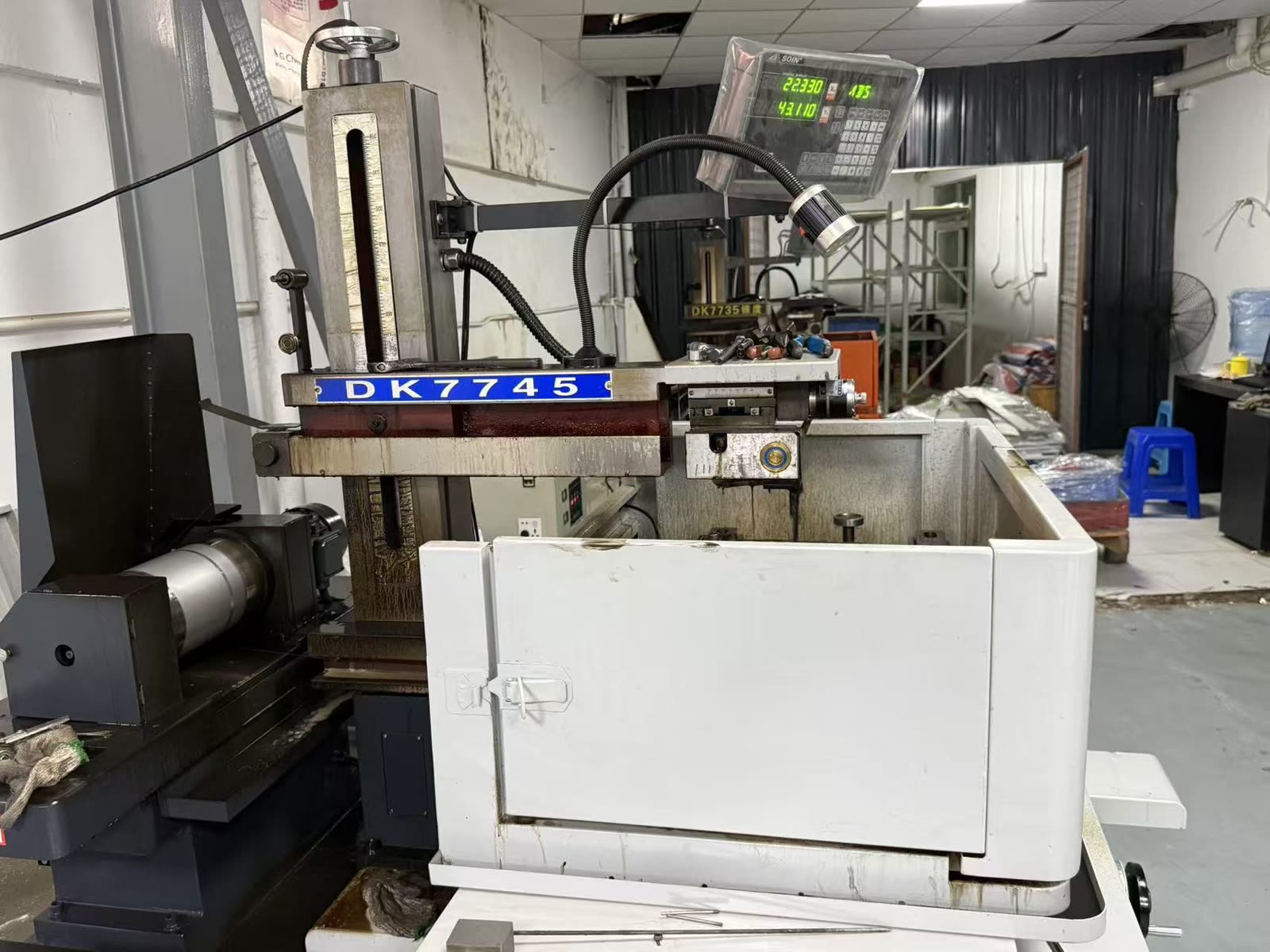
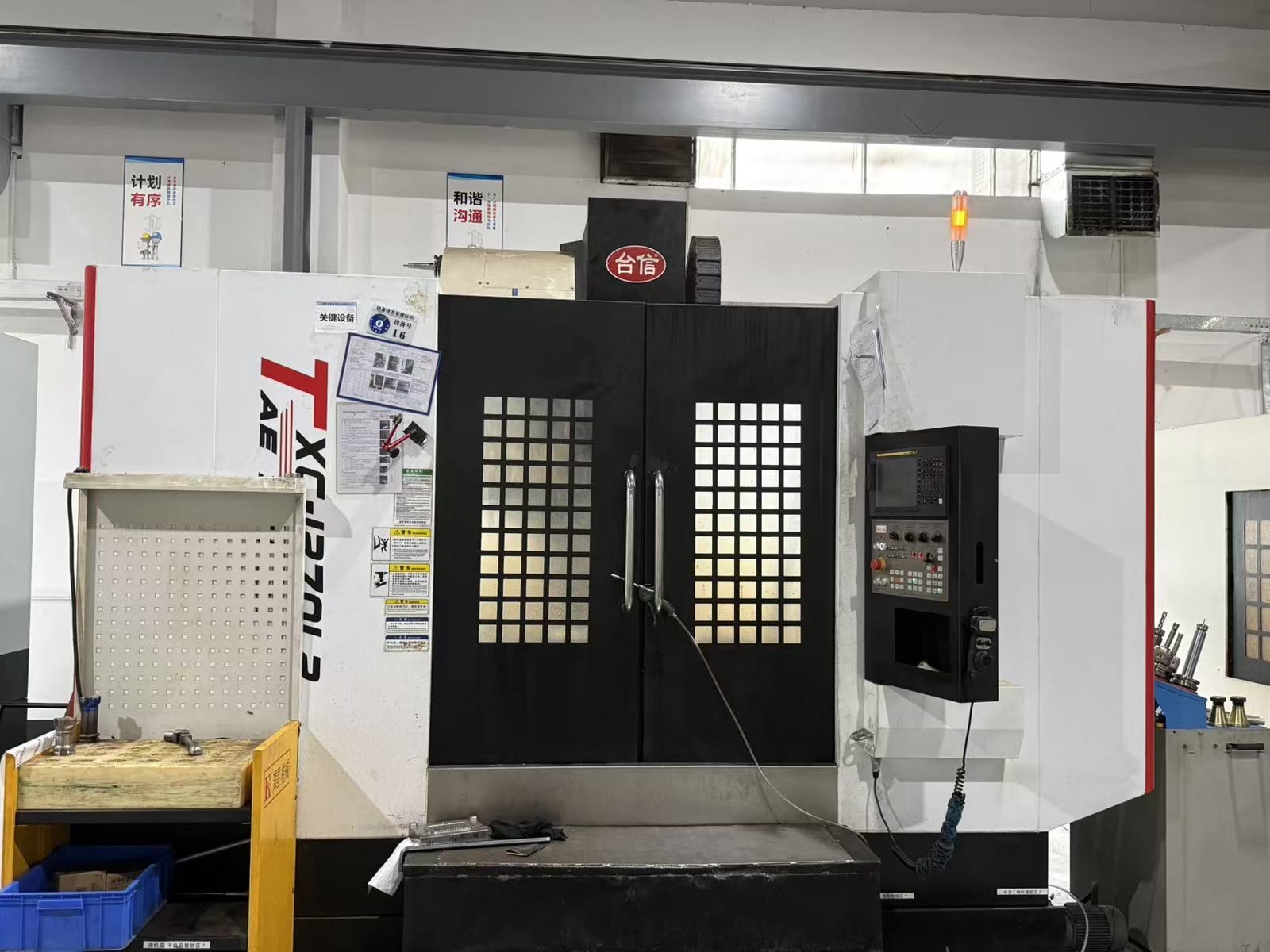
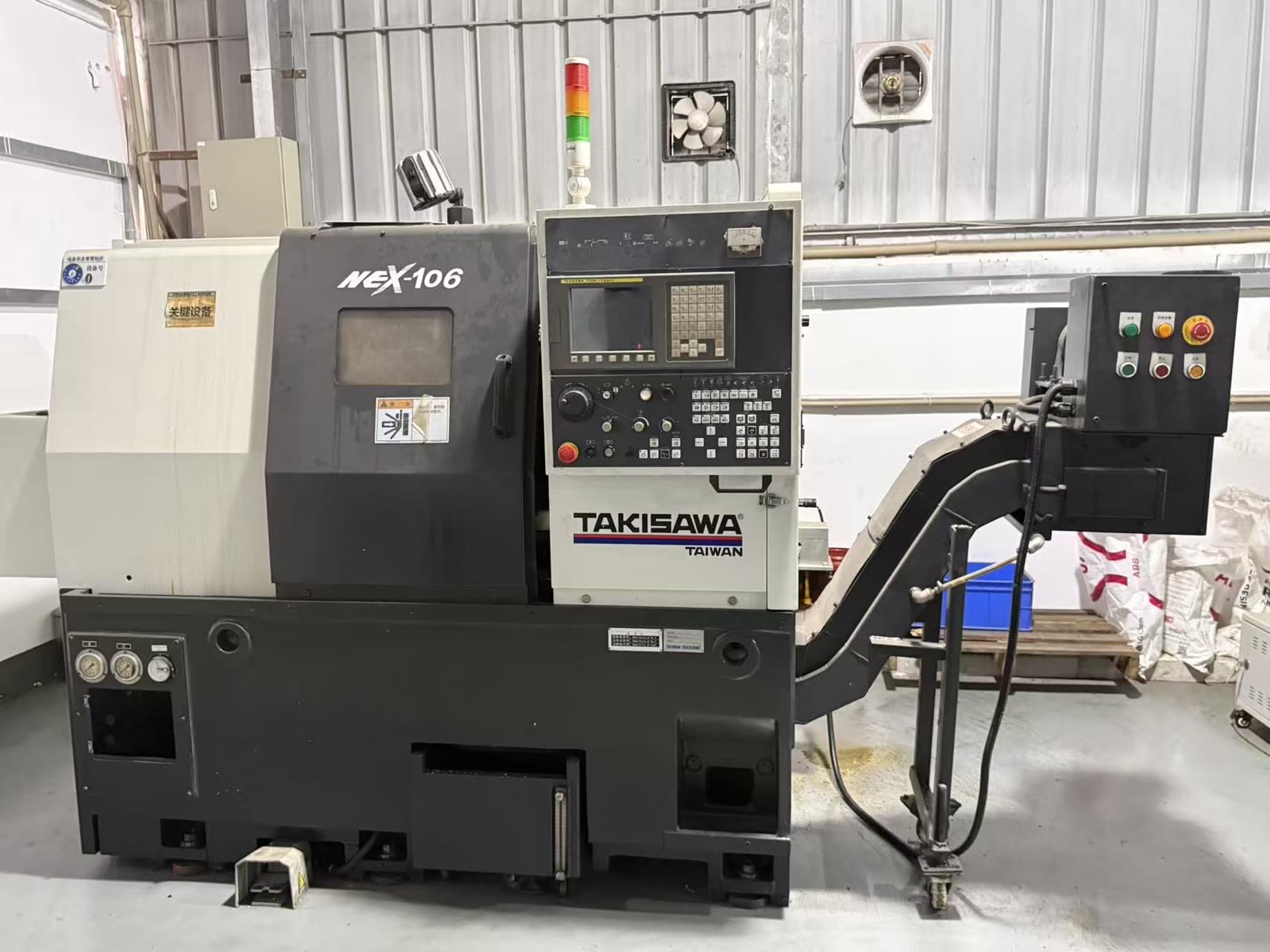
Standard: full AS9102 FAI, EN 10204 3.1 material cert, CMM with deviation map, all calibration certs traceable to China's NIM (national institute of metrology). NADCAP sub-tier partners named upfront for any heat treat / surface finish requirements outside our in-house scope. See our sample reports for the actual document format, and the aerospace bracket case study for a real example.