
CNC Machining Services
Engineered in Dongguan, China
Custom CNC parts machined to print under an ISO 9001 quality system, from a single prototype through ongoing production. Pick the deeper page below for specifics, or send a drawing and let a manufacturing engineer build the quote for you.
The two foundations, milling and turning
Most CNC parts are produced on one of these platforms, or both in combination. Pick the deeper page for the materials, tolerances and equipment specifics.
CNC Milling
Vertical and gantry milling for prismatic and contoured parts. Aluminum, steels, titanium, copper alloys and engineering plastics.
- Brackets, housings, plates, manifolds
- Multi-side work via 3-, 4- and 5-axis
- Roughing through finishing in one setup
CNC Turning
Swiss-type and conventional lathes for cylindrical and shaft-like parts. Tight runout, fine surface finish, mill-turn combinations.
- Shafts, bushings, fittings, connectors
- Bar fed for medium / high volume
- Live tooling for cross drilling and milling
Choose the right axis count
More axes mean fewer setups and better contoured-surface finish, but they're not always the cheapest path. Each tier links to its dedicated page for guidance and examples.
Materials
Aluminum, stainless, titanium, brass, copper, carbon and alloy steels, plus engineering plastics, each with a dedicated guide.
Tolerances and quality
Specifics for tolerance bands, inspection process, and our IP-handling policy live on their own pages.
Tolerances guide
Published tolerance bands by process and feature type, the right place to confirm what you need to call out on your drawing.
OpenQuality & IP
How we handle inspection, FAI documentation, NDA-signed files and our no-clone policy.
OpenSurface finishes
Anodize, plating, blackening, brushed, polished, PVD, appearance and dimensional implications spelled out.
OpenFrom drawing to shipment
The path every project follows, short enough to read in a minute, structured enough that nothing is left to chance.
Send Your Drawing
Upload STL, STEP, IGES, DWG or PDF through the quote engine. A manufacturing engineer reviews every submission.
DFM Review
We flag tolerance, datum and material questions before machining begins so you avoid mid-run surprises.
Engineered Quote
You receive a written quote with material, process plan, finish and packaging called out, not just a number.
Production
Parts are run on the appropriate platform (milling, turning, EDM, grinding) under our quality system.
Inspection & Ship
First-article inspection with dimensional and visual checks; export documentation prepared for international shipping.
Recent projects
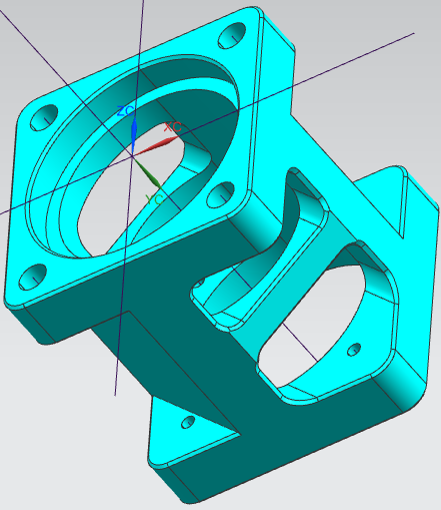
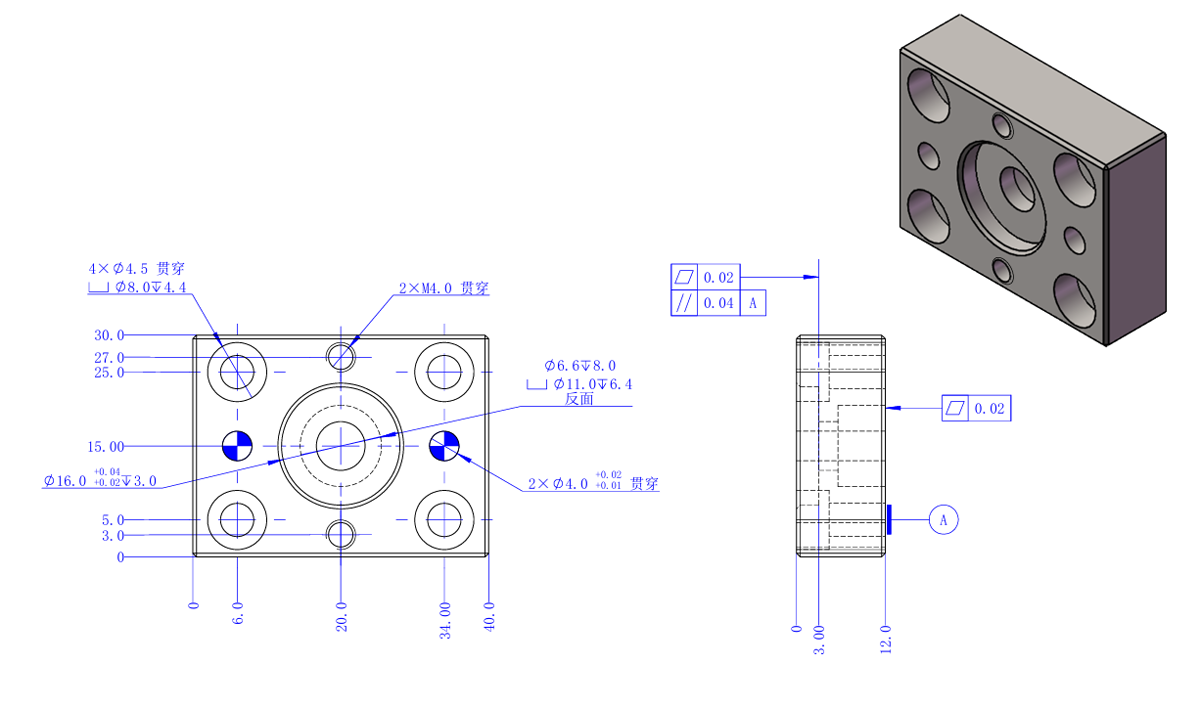
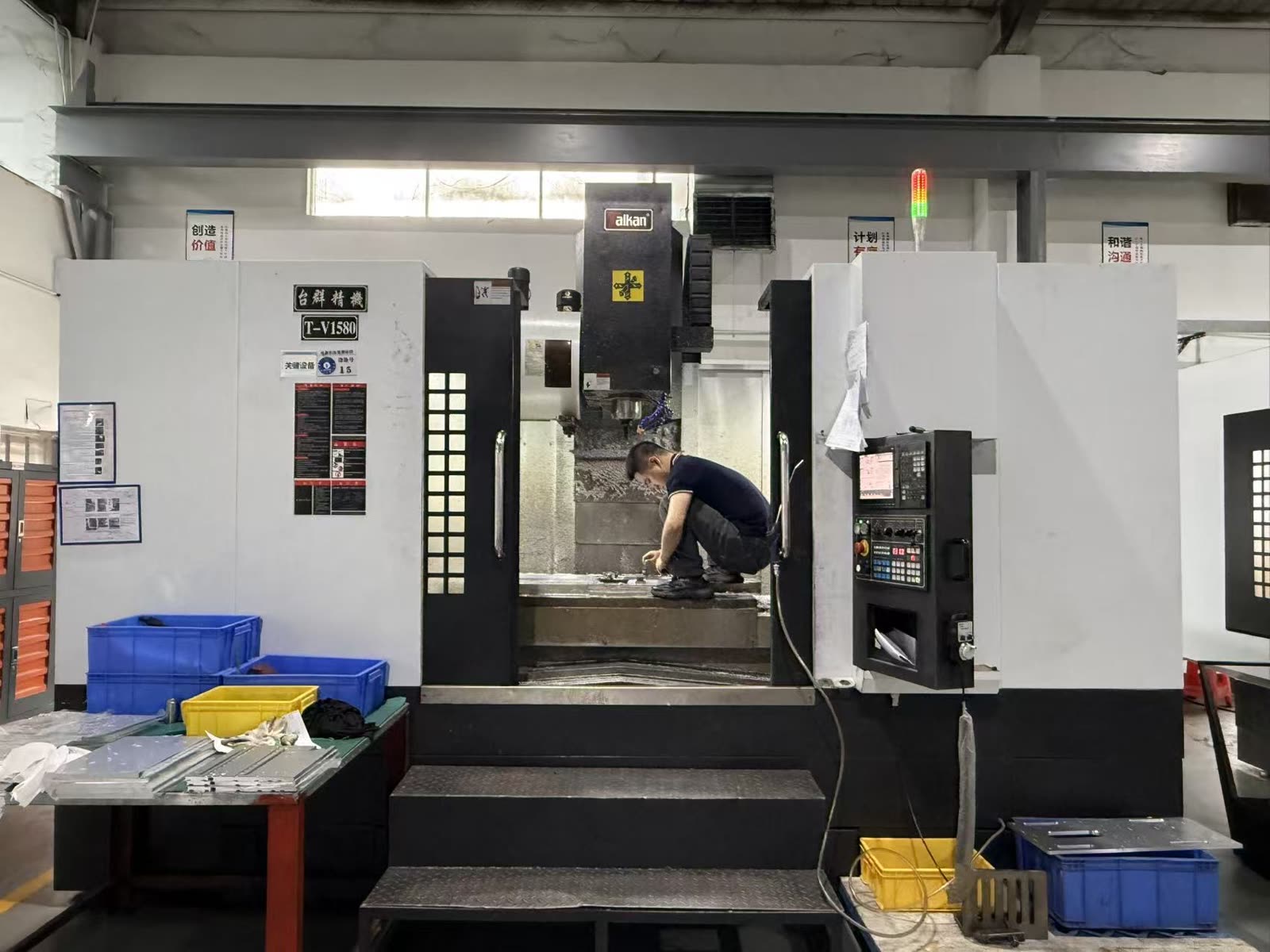
Real CNC machining work, pick a project to see the brief, the engineering approach and the outcome.
CNC machining FAQ
Decision-help questions that come up in nearly every project.
What's the difference between CNC milling and CNC turning?
+
Milling holds the part fixed and rotates a cutting tool against it, best for prismatic, pocketed or contoured shapes. Turning rotates the part against a stationary tool, best for cylindrical and shaft-like geometry. Many real parts use both, and mill-turn machines can finish them in a single setup so accumulated error from re-fixturing disappears.
When should I specify 5-axis machining instead of 3- or 4-axis?
+
Choose 5-axis when the part has compound surfaces that can't be reached cleanly from a single direction, when consolidating multiple setups reduces stack-up error, or when surface finish on contoured features matters. For boxy parts with features on one or two faces, 3- or 4-axis is usually faster and lower cost.
Which CAD file formats do you accept?
+
STEP and IGES are preferred for 3D models because they preserve geometry, tolerances and surface features cleanly. STL works for prototypes and the in-browser quote viewer. We also accept SolidWorks part / assembly files, DXF and DWG for 2D, and PDF drawings for manual review.
How do I pick a material?
+
Start from the functional requirements: strength, weight, corrosion environment, temperature, electrical conductivity, surface finish needs. Our materials guides cover the trade-offs in detail, if you're unsure, send your drawing and we'll suggest grades that fit the application and the budget.
Do you handle prototype quantities and production runs on the same line?
+
Yes, the same machines run single-piece prototypes and ongoing production batches. Most projects start with a small validation batch before scaling. We hold no minimum order quantity, so a one-off prototype is welcome.
Ready to machine a real part?
Send your CAD file. A manufacturing engineer reviews it and replies with a written quote, process plan, finish, packaging called out.
Secure CAD upload. NDA available. See privacy policy.