Геометрия
- Радиус внутреннего угла ≥ ⅓ глубины кармана. Меньшие радиусы вынуждают применять более мелкие концевые фрезы, которые работают медленнее. Каждое уменьшение размера инструмента примерно удваивает время цикла.
- Минимальная толщина стенки ≥ 0.8 mm на алюминии, ≥ 1.5 mm на нержавеющей стали. Более тонкие стенки вибрируют или деформируются при резании.
- Максимальная глубина отверстия ≤ 4× диаметра отверстия. Большая глубина требует специального инструмента (пушечные свёрла, циклы с выводом стружки); стоимость резко растёт после 4D.
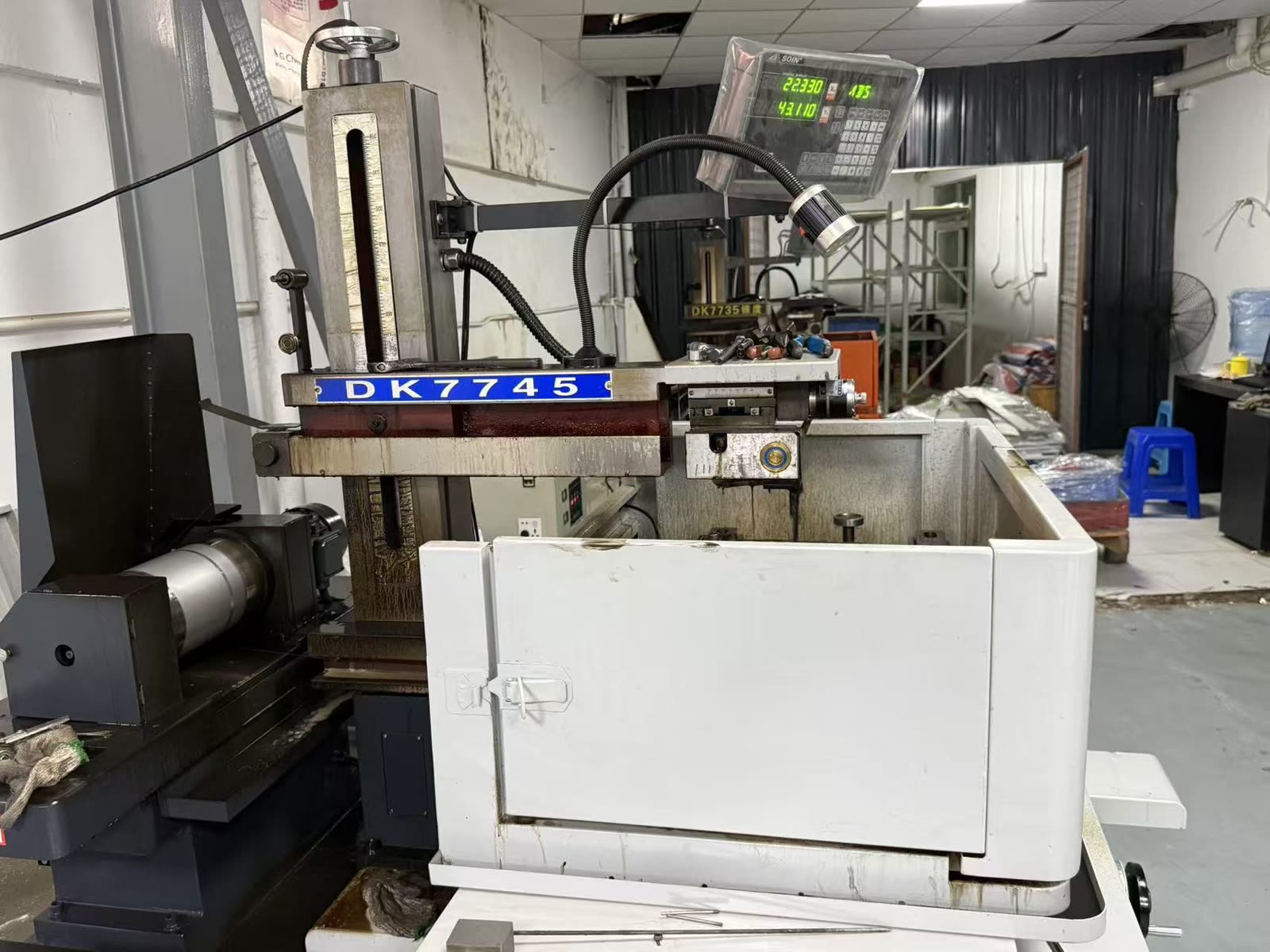
- Избегайте прямоугольных внутренних углов, если они вам действительно не нужны, они требуют времени на электроэрозионную обработку. Если прямой угол функционален (например, для сопрягаемой детали), укажите это явно.
- Внешние углы, бесплатны. Скруглите их или оставьте острыми, стоимость одинакова.
Элементы конструкции
- Предпочтительны стандартные размеры отверстий. Проектирование под размеры из таблицы свёрл (например, 6.35 mm = ¼") избавляет от необходимости в специальной развёртке.
- Сквозные отверстия выполняются быстрее глухих. Особенно если глухое отверстие требует плоского дна (для которого нужна торцевая фреза вместо сверла).
- Длина резьбового соединения = 1.5× диаметра, не более. Резьба M6 требует 9 mm соединения, а не 30 mm. Более глубокая резьба, это пустая трата материала и замедление операции нарезания.
- Избегайте поднутрений, если возможна 3-осевая обработка. Поднутрения вынуждают применять 4- или 5-осевую обработку (в 1.5-3 раза дороже). Если они действительно необходимы, чётко указывайте их размеры.
- Используйте стандартные размеры метчиков (M3, M4, M5, M6, M8, M10), а не M3.5, M4.5, прочность та же, библиотека метчиков меньше.
Допуски
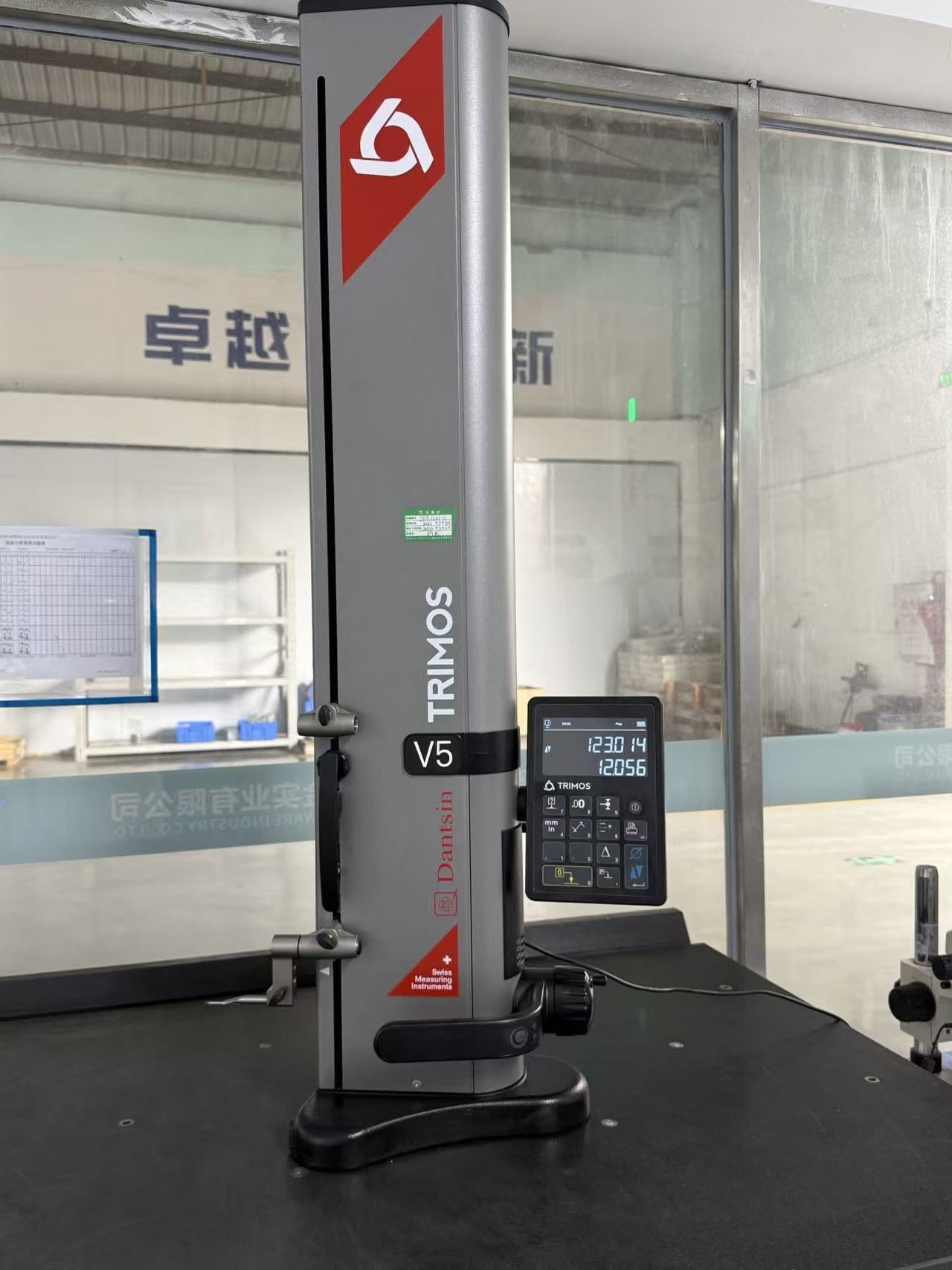
- Назначайте жёсткие допуски только там, где это важно. ±0.025 mm на отверстии под винт, расточительство; отверстие нужно лишь для прохода винта.
- Аккуратно работайте с накоплением допусков. Не задавайте излишне жёсткие допуски на сопряжениях, если A составляет ±0.05 mm и B составляет ±0.05 mm, их сборка даст ±0.10 mm; задавайте B как ±0.025 mm, только если действительно нужен суммарный ±0.05 mm.
- Указания шероховатости поверхности только там, где это необходимо. «Ra 1.6 везде» вынуждает выводить все элементы на этот уровень шероховатости; указывайте по каждому элементу отдельно.
Материал и финишная обработка
- Предпочитайте 6061-T6 вместо 7075-T6, если вам специально не нужна прочность 7075. 6061 обрабатывается втрое легче.
- Избегайте сочетания материалов в одной детали. Многоматериальные элементы требуют двух операций или вставок.
- Выбирайте финишную обработку до проектирования. Анодирование создаёт слой оксида толщиной 5-25 µm, это влияет на посадки с жёсткими допусками. Учитывайте это в конструкции.
- Стандартные виды покрытий дешевле. Прозрачное анодирование Type II, отраслевой стандарт; твёрдое анодирование Type III или специфические цвета увеличивают стоимость и срок поставки.
Документация
- Чертёж в PDF + 3D-модель в STEP. Оба формата, каждый раз.
- Критические размеры выделены на чертеже. Это помогает инженеру сосредоточить DFM-анализ там, где это важно.
- Используйте GD&T для сопряжений. Позиционирование, параллельность, перпендикулярность, это передаёт замысел лучше, чем только допуски +/−.
DFM-анализ
Ginwate проводит бесплатный DFM-анализ по каждому запросу (1-12 часов в рабочее время). Мы укажем на любые из перечисленных выше правил, применимых к вашей детали, предложим решение и пересчитаем стоимость, без дополнительной платы.
Загрузите ваш CAD, и мы пришлём DFM-замечания вместе с расчётом стоимости.

Автор
Chenny
Старший инженер ЧПУ в Ginwate · более 20 лет в аэрокосмической и медицинской обработке