अनुप्रयोग के अनुसार सामग्री
| अनुप्रयोग | सामान्य सामग्री | क्यों |
|---|---|---|
| सर्जिकल उपकरण, हैंडल | 316L stainless, Ti-6Al-4V (Grade 5) | ऑटोक्लेव-सुरक्षित, बायोकम्पैटिबल, संक्षारण-प्रतिरोधी |
| इम्प्लांट (ऑर्थोपेडिक) | Ti-6Al-4V ELI (Grade 23), CoCr | बायोकम्पैटिबल, थकान-प्रतिरोधी, MRI-सुरक्षित (Ti) |
| दंत फिक्स्चर | Grade 2 CP Ti, PEEK | बायोकम्पैटिबिलिटी + ऑसियोइंटीग्रेशन |
| एंडोस्कोप हाउसिंग | 316L, aluminum 6061 | हल्का + स्टेरिलाइज़ करने योग्य |
| डिस्पोज़ेबल फिक्स्चर | PEEK, POM, PC | लागत-प्रभावी + स्टेरिलाइज़ करने योग्य |
सतह फिनिश आवश्यकताएँ
- इम्प्लांट: सामान्यतः Ra ≤ 0.4 µm। कम खुरदरापन = बेहतर ऊतक संगतता।
- मेटिंग सतहें (जैसे हड्डी में स्क्रू थ्रेड): विशिष्ट बनावट जानबूझकर, ऑसियोइंटीग्रेशन को प्रोत्साहित करने के लिए Ra 1.6-3.2 µm।
- सर्जिकल उपकरण: उपयोगकर्ता-सामना वाली सतहों पर Ra ≤ 0.8 µm, इलेक्ट्रोपॉलिश्ड या पैसिवेटेड।
- डिस्पोज़ेबल: जब तक इंटरफ़ेस महत्वपूर्ण न हो, मशीन्ड अवस्था स्वीकार्य है।
आवश्यक दस्तावेज़
- सामग्री प्रमाणपत्र (EN 10204 3.1), हीट लॉट तक ट्रेस करने योग्य
- बायोकम्पैटिबिलिटी दस्तावेज़, इम्प्लांट-ग्रेड सामग्री के लिए, सप्लायर मिल सर्ट शुरुआत है; अंतिम बायोकम्पैटिबिलिटी (ISO 10993) डिवाइस निर्माता की ज़िम्मेदारी है
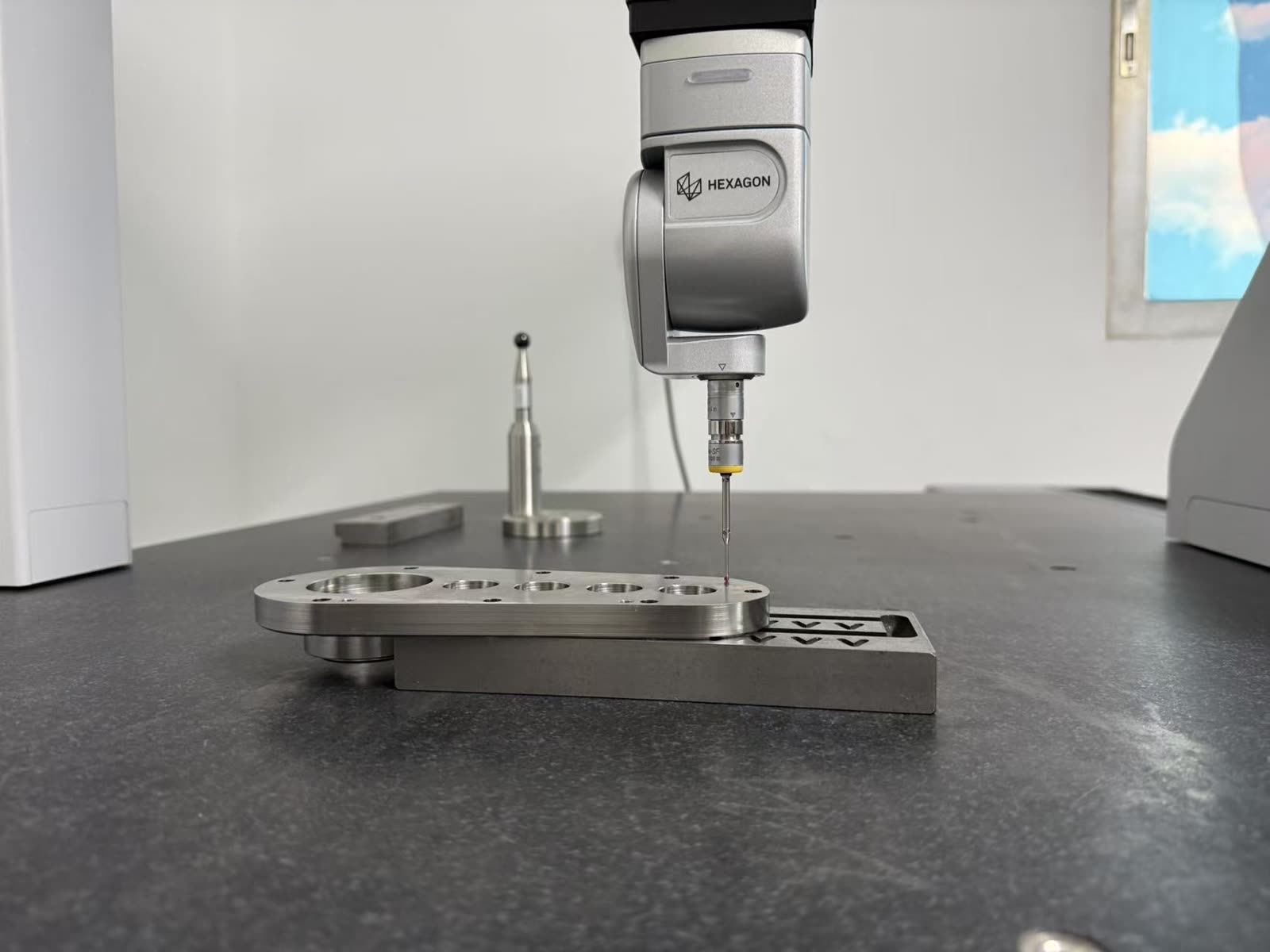
- आयामी निरीक्षण (CMM रिपोर्ट), प्रत्येक महत्वपूर्ण फ़ीचर मापा गया
- पैसिवेशन प्रमाणपत्र, स्टेनलेस स्टील के लिए, ASTM A967 या AMS 2700
- सतह फिनिश माप, प्रत्येक महत्वपूर्ण फ़ीचर के अनुसार Ra मान दर्ज
- लॉट ट्रेसेबिलिटी, सप्लायर रिकॉर्ड जो आपके तैयार पुर्जों को कच्ची सामग्री हीट लॉट से जोड़ते हैं
जो काम CNC शॉप्स आमतौर पर कवर नहीं करतीं
- FDA 510(k) सबमिशन, यह डिवाइस निर्माता का काम है। शॉप आयामी + सामग्री प्रमाण प्रदान करती है।
- अंतिम स्टेरिलाइज़ेशन, आमतौर पर डिवाइस निर्माता या स्टेरिलाइज़ेशन सेवा द्वारा किया जाता है।
- ISO 10993 के अनुसार अंतिम बायोकम्पैटिबिलिटी परीक्षण, प्रमाणित परीक्षण प्रयोगशालाओं द्वारा किया जाता है, मशीनिंग शॉप द्वारा नहीं।
- डिज़ाइन सत्यापन, शॉप आपके स्पेक के अनुसार निर्माण करती है; इच्छित उपयोग के विरुद्ध डिज़ाइन का सत्यापन आपकी ज़िम्मेदारी है।
ड्रॉइंग पर निर्दिष्ट करने योग्य बातें
- पूर्ण स्पेक के साथ सामग्री ग्रेड (जैसे "Ti-6Al-4V ELI per ASTM F136")
- प्रत्येक महत्वपूर्ण सतह पर सतह फिनिश कॉलआउट
- पैसिवेशन आवश्यकता और मानक (यदि स्टेनलेस हो)
- "कटिंग फ्लूइड अवशेष से मुक्त" यदि लागू हो
- सफाई + पैकेजिंग आवश्यकताएँ (क्लीनरूम-पैक्ड, व्यक्तिगत रूप से बैग्ड, आदि)
Ginwate पूर्ण लॉट ट्रेसेबिलिटी और पैसिवेशन के साथ Ti-6Al-4V, 316L, PEEK और अन्य बायोकम्पैटिबल सामग्रियों की मशीनिंग करता है। 316L मेडिकल हाउसिंग केस स्टडी देखें या कोटेशन का अनुरोध करें।

लेखक
Chenny
Ginwate में वरिष्ठ CNC इंजीनियर · 20+ वर्षों का एयरोस्पेस और मेडिकल मशीनिंग अनुभव